About this Himachal Tour
A demanding crossover for seasoned trekkers
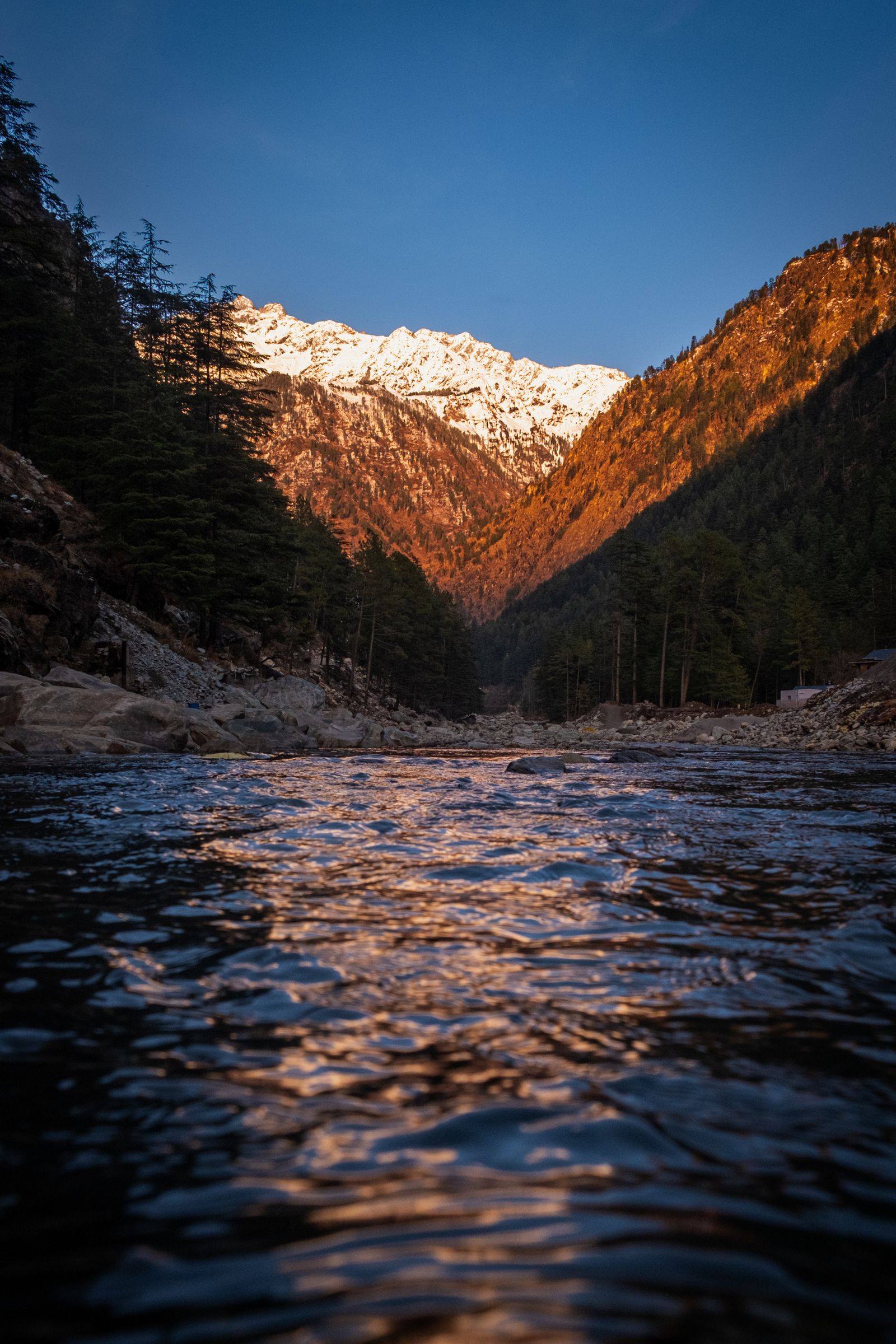
A true Himalayan expedition. The Pin Parvati Pass trek links the lush green Parvati valley with the stark, high-desert Pin valley of Spiti, crossing a demanding 17,450 ft pass over glaciers and remote terrain.
It is one of Himachal's toughest treks - long, high and wild - and is strictly for fit, experienced trekkers. A full support team, guides and safety gear accompany the expedition.
Trip Highlights
Glaciers, a 17,450 ft pass and true wilderness
Cross the Pin Parvati Pass (17,450 ft)
Green Parvati to high-desert Pin
Remote glaciers & hot springs at Khirganga
Camp deep in the wilderness
A genuine Himalayan expedition
Finish in Spiti's Pin valley
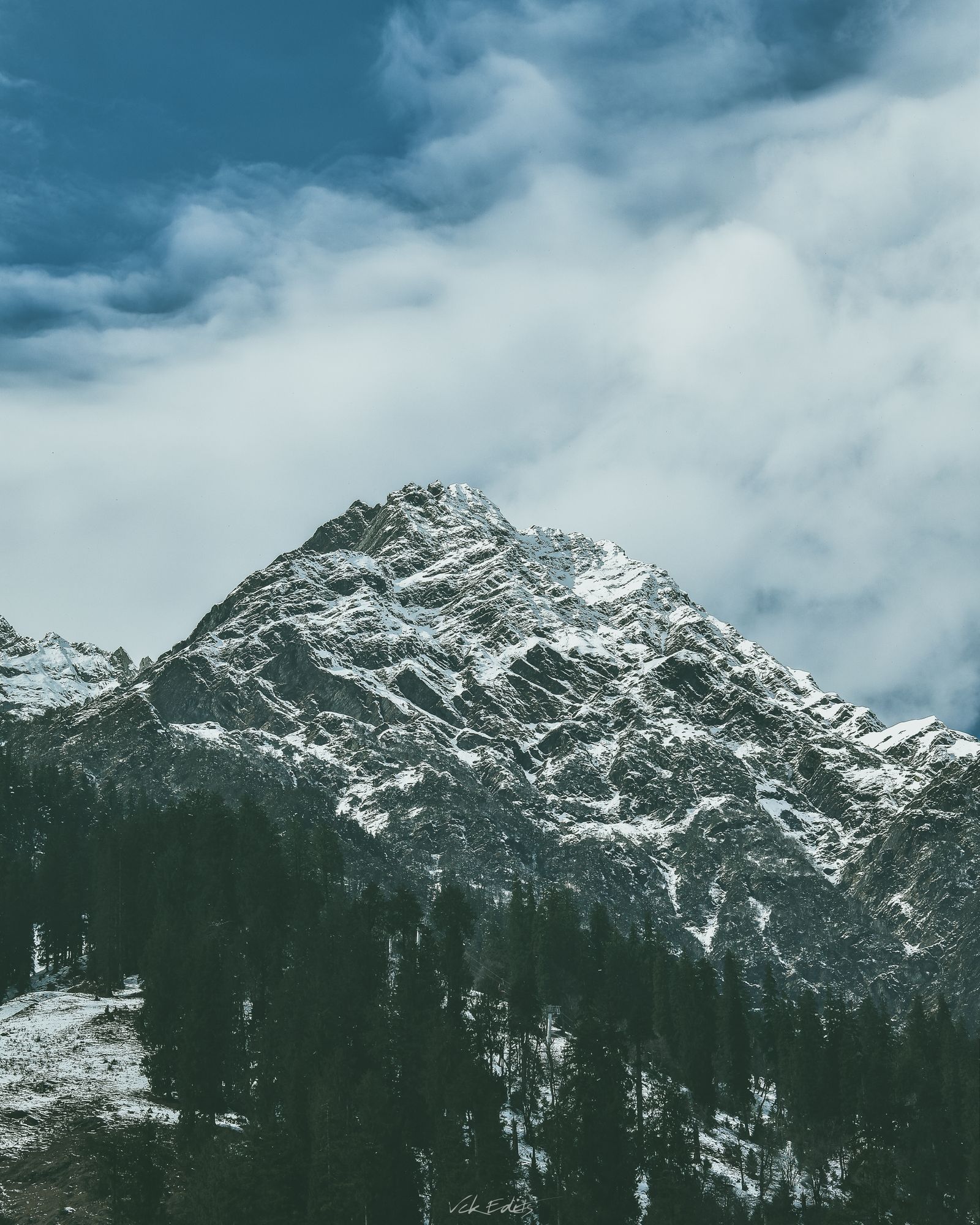
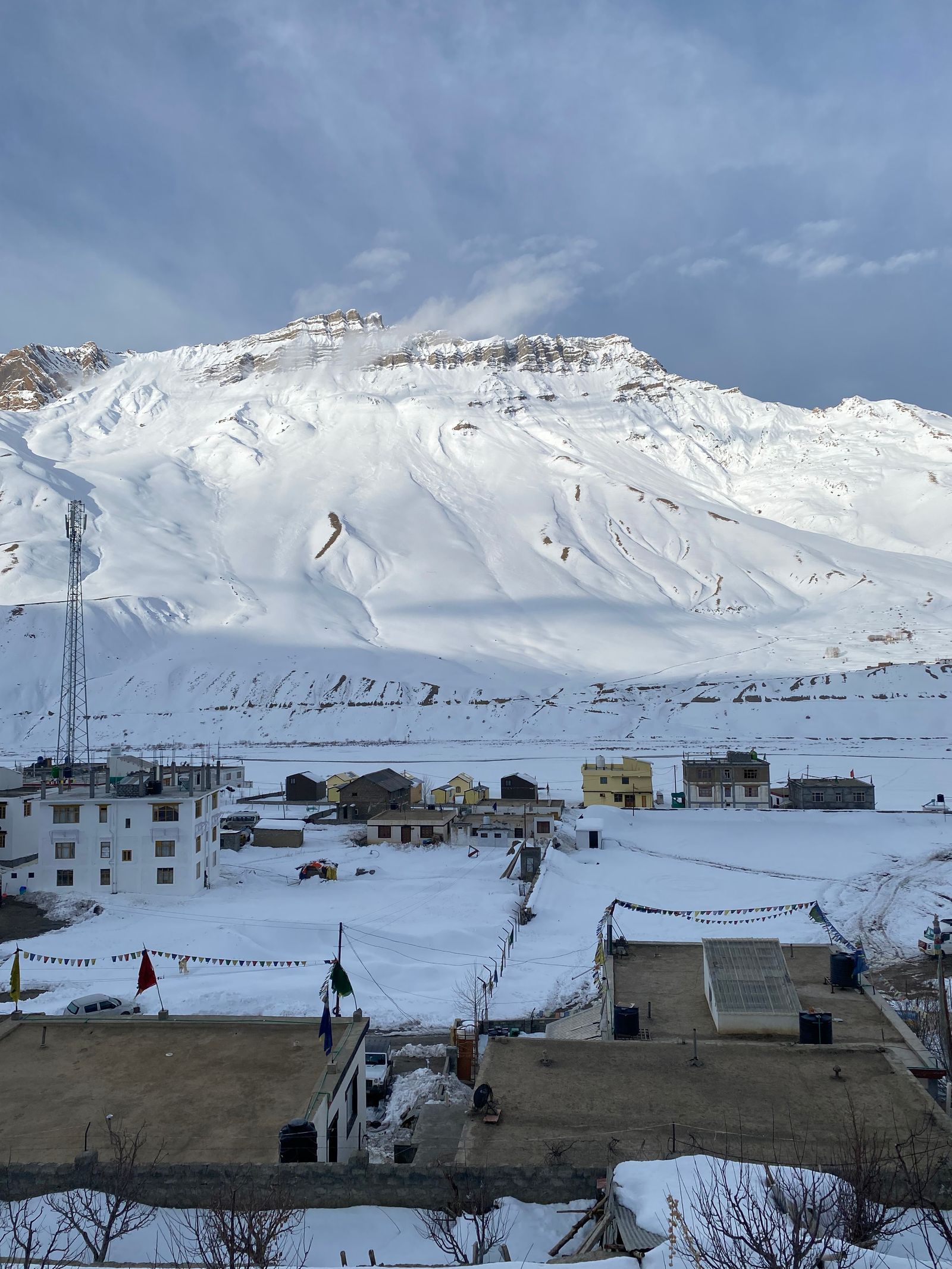
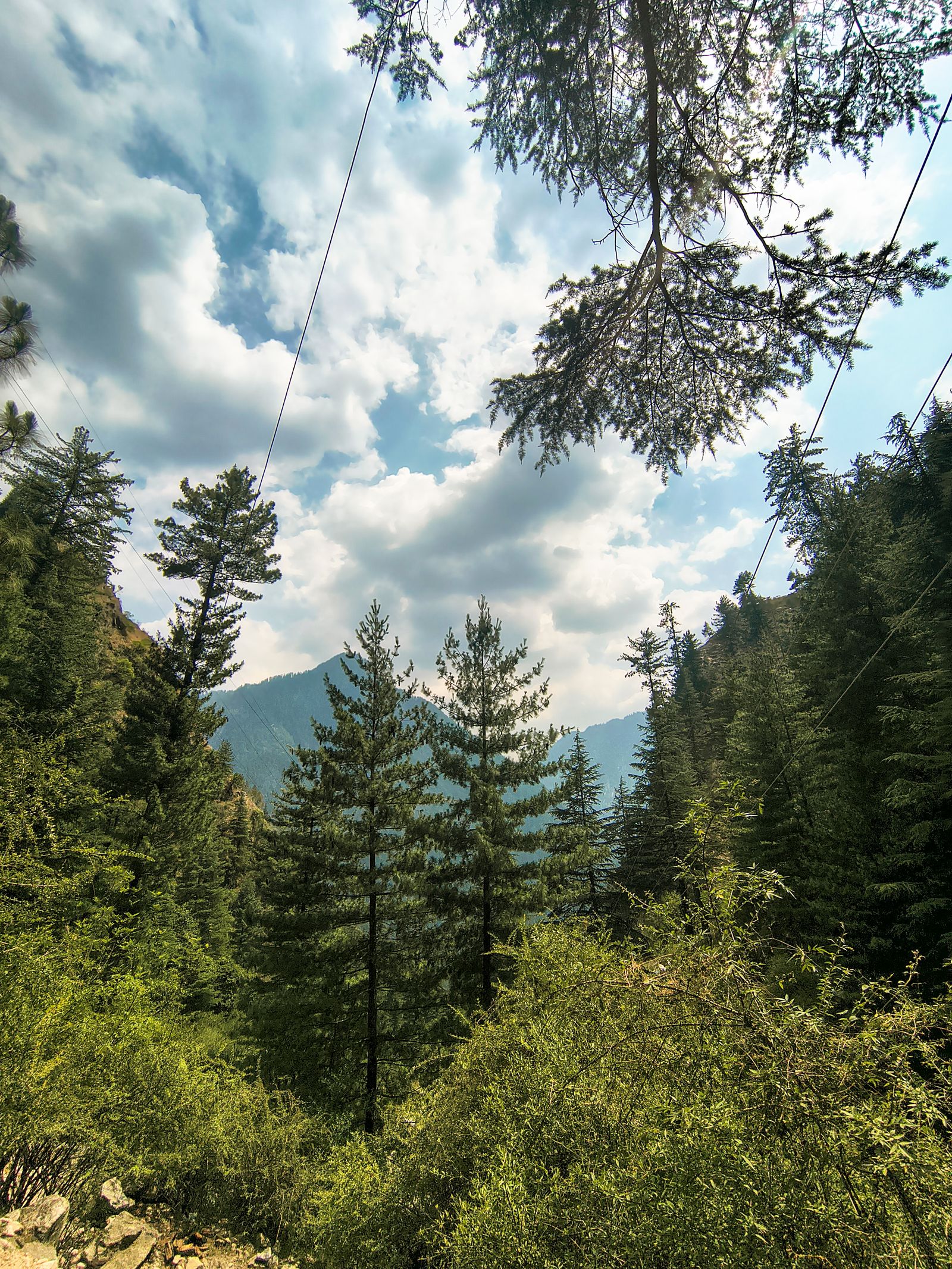
Trip Gallery
A taste of the trip
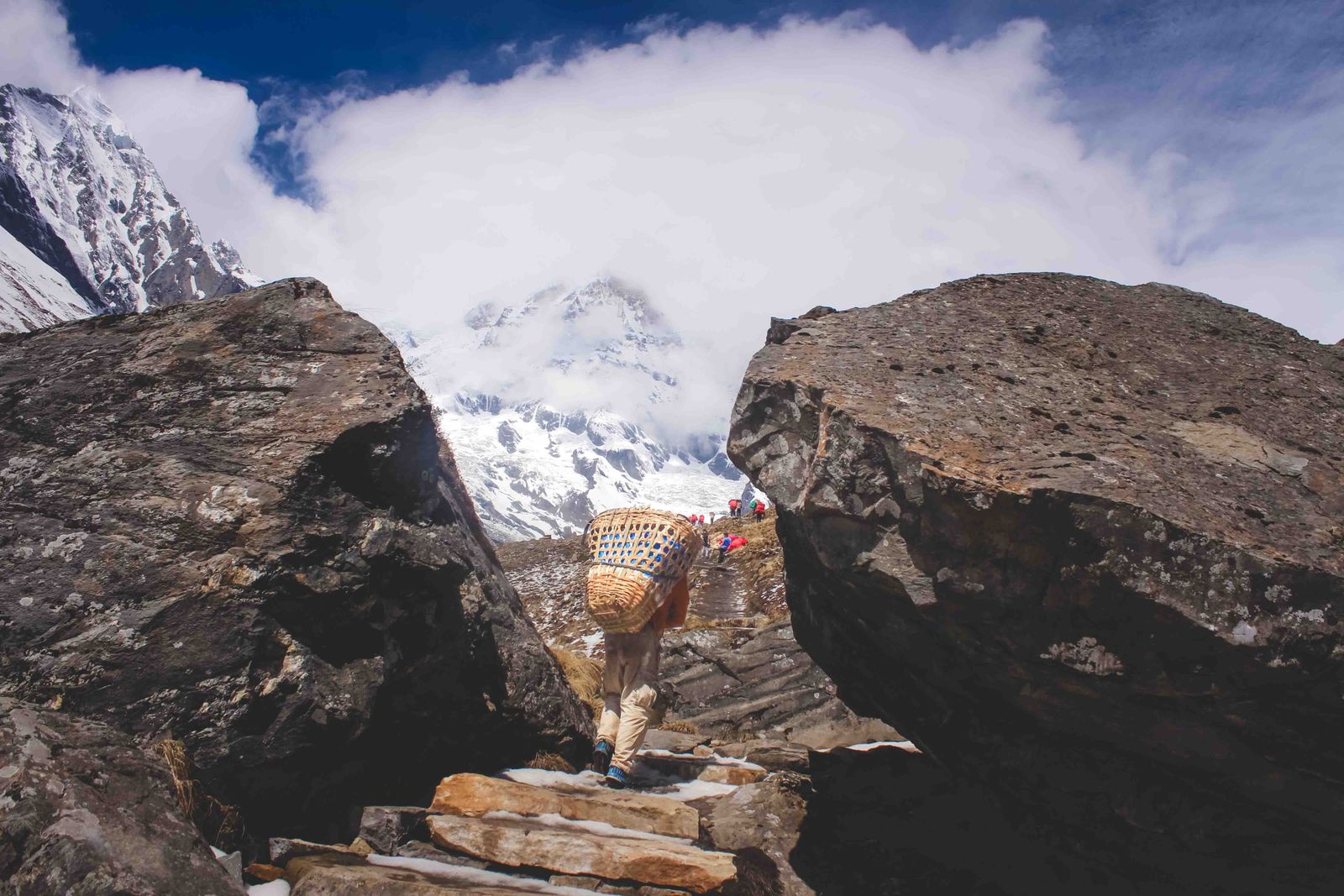
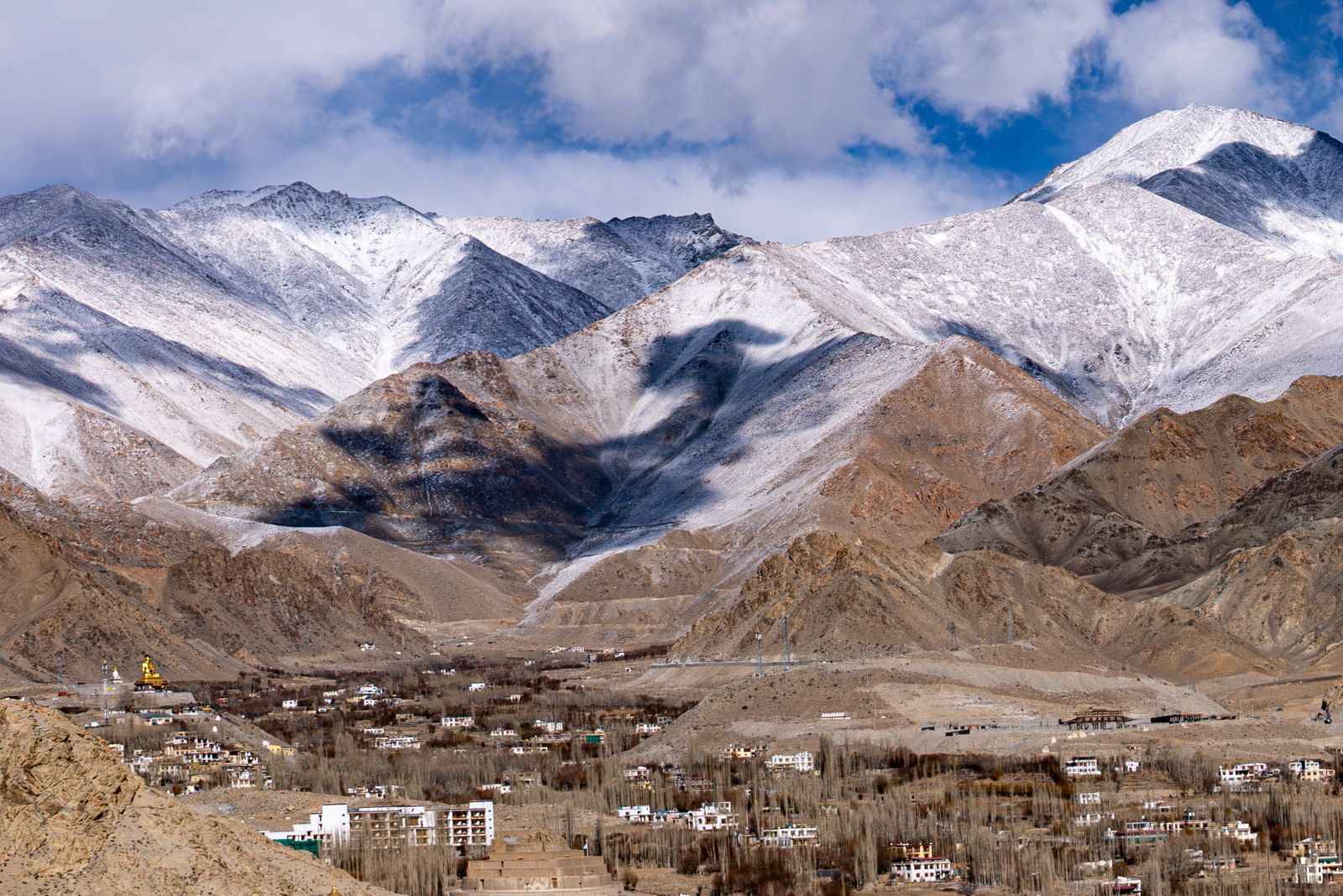
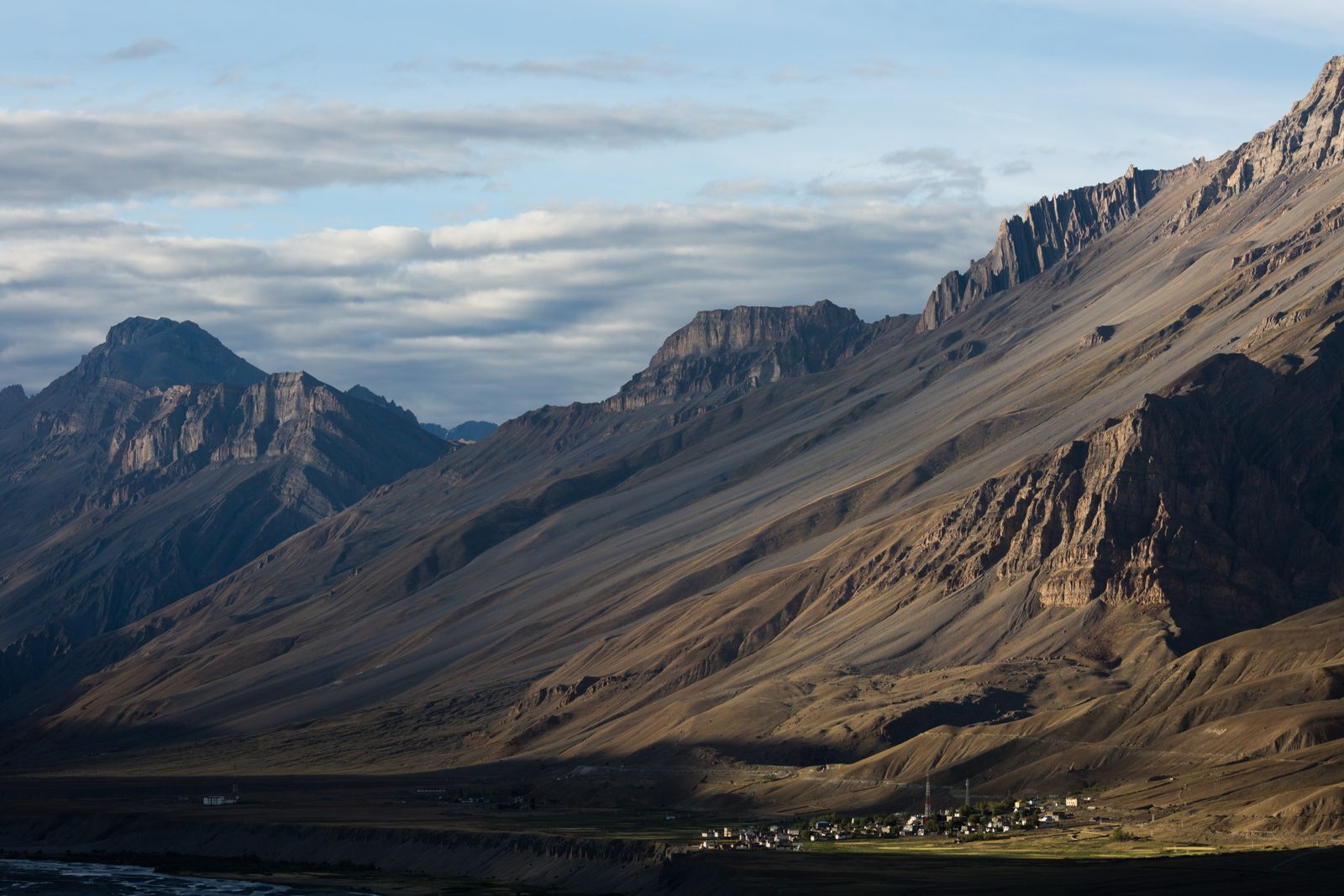
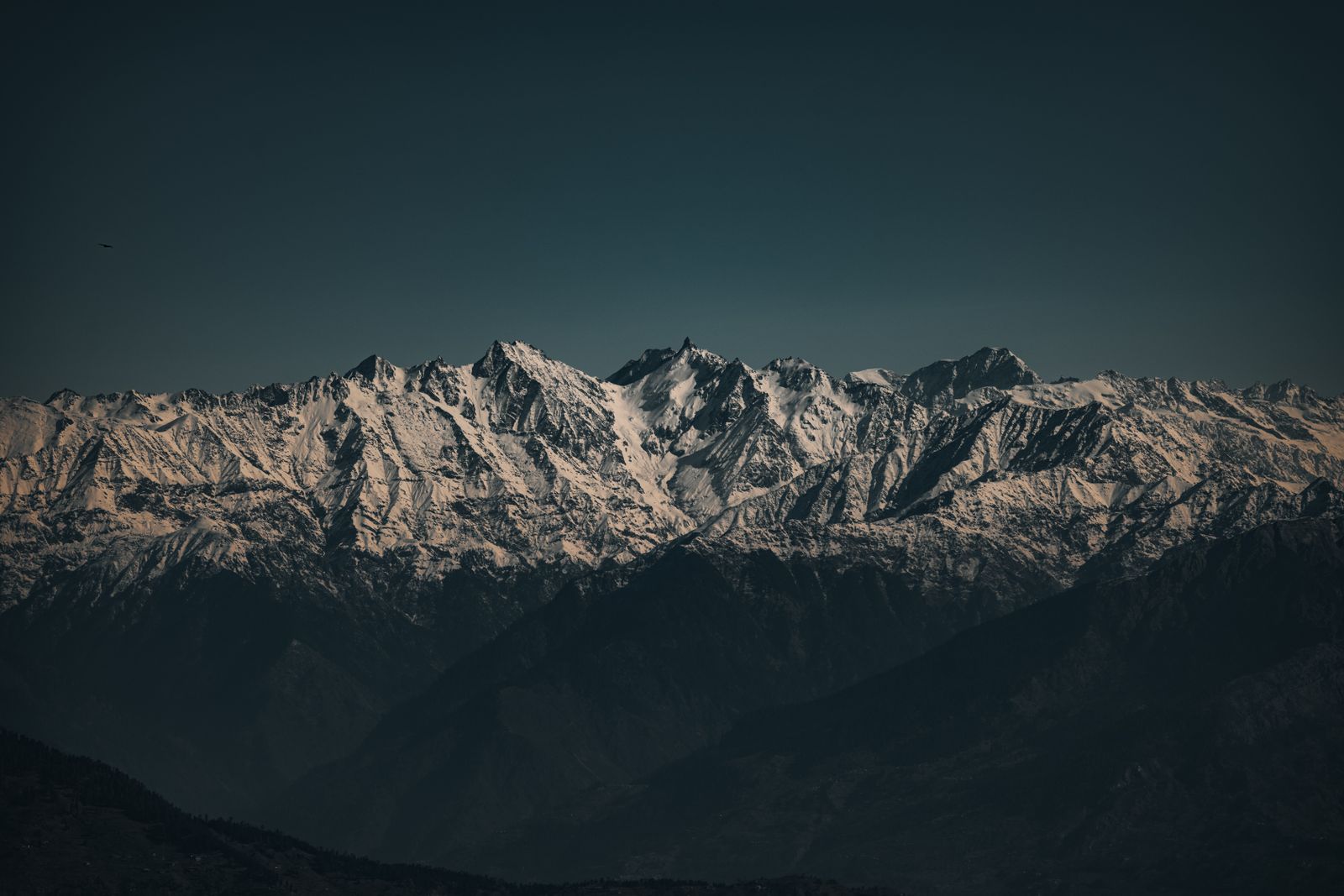
Day-by-Day Itinerary
Eleven demanding days from Parvati to Pin
- Arrive in the Parvati valley; check in.
- Detailed briefing, medical check and gear inspection.
- Trek up the Parvati valley to Khirganga.
- Soak in the hot springs; camp.
- Trek through meadows and forest along the Parvati.
- Camp at Tunda Bhuj.
- Trek with rope-assisted river crossings.
- Camp at Thakur Kuan.
- Ascend to the high meadow of Odi Thach.
- Camp and acclimatise.
- Trek to the Mantalai lake area, source of the Parvati.
- Camp amid glaciers and meadows.
- Acclimatisation walk and rest.
- Final prep for the pass crossing.
- Climb to the base camp below the pass.
- Early night before the summit push.
- Pre-dawn climb over the Pin Parvati Pass (17,450 ft).
- Long descent into the Spiti-side Pin valley.
- Descend through the Pin Valley National Park to Mudh village.
- Celebrate the crossover.
- Drive out via Kaza (or towards Manali).
- Trip ends.
What's Included
Transparent pricing — no hidden surprises
- All arrival & departure transfers
- 10 nights hotel stay (Parvati & Pin Valleys)
- Daily All meals on trek
- All sightseeing & transfers by private vehicle
- Driver allowance, fuel, tolls & parking
- 24x7 on-trip support
- Train/air fare to the start city
- Lunches & personal expenses
- Rohtang permit, adventure & activity charges
- Entry tickets, ropeway & pony rides
- GST as applicable
- Anything not listed under inclusions
Things to Carry
Trek essentials — pack light but right
Important Notes
Please read before booking
Fitness: A basic level of fitness helps. We share a simple preparation plan; some daily walking or jogging beforehand makes the trek far more enjoyable.
Altitude: Higher treks cross alpine meadows and passes. We pace the ascent for acclimatisation and carry a first-aid kit; a trek leader accompanies the group.
Best Season: Most Himachal treks run roughly May–June and September–October; some (like Kheerganga and Triund) have a longer window. Snow treks have their own season.
What's Provided: Camping/stay, meals on trek, a certified guide and safety gear as specified. Personal trek gear is your responsibility — see the packing list.
Frequently Asked Questions
Everything you need to know before you book
It is one of Himachal's most difficult treks - long (roughly 110 km over 8-9 trekking days), high (17,450 ft), and remote, with glaciers and river crossings. It is strictly for fit, experienced high-altitude trekkers, not beginners.
You should have completed several moderate-to-difficult high-altitude treks, be in excellent physical condition, and be comfortable with multi-day wilderness camping. We may ask about your trek history before confirming.
It is a rare crossover linking two completely different worlds - the green, forested Parvati valley and the stark high desert of Spiti's Pin valley - over a demanding glaciated pass. Few treks offer such a dramatic transition.
Only a short window, roughly July to September, when the pass is relatively free of heavy snow. Even then, conditions are serious and weather-dependent; safety may require route changes.
We include acclimatisation days (notably at Mantalai), carry oxygen, a first-aid kit and communication devices, employ experienced high-altitude guides, and monitor everyone closely. The leader can call off the pass crossing if conditions are unsafe.
A full expedition team - trek leader, guides, cooks and porters/mules - plus tents, sleeping bags, all meals and safety equipment. You carry a daypack; heavier loads are portered.
Yes - several glacial-river crossings, some rope-assisted, which the team sets up and helps you across. This is one reason the trek demands experience and careful timing.
It ends at Mudh village in the Pin valley, from where we drive out via Kaza (Spiti) or towards Manali. We plan the exit and onward transport as part of the package.