About this Himachal Tour
Spiti at its most raw and beautiful
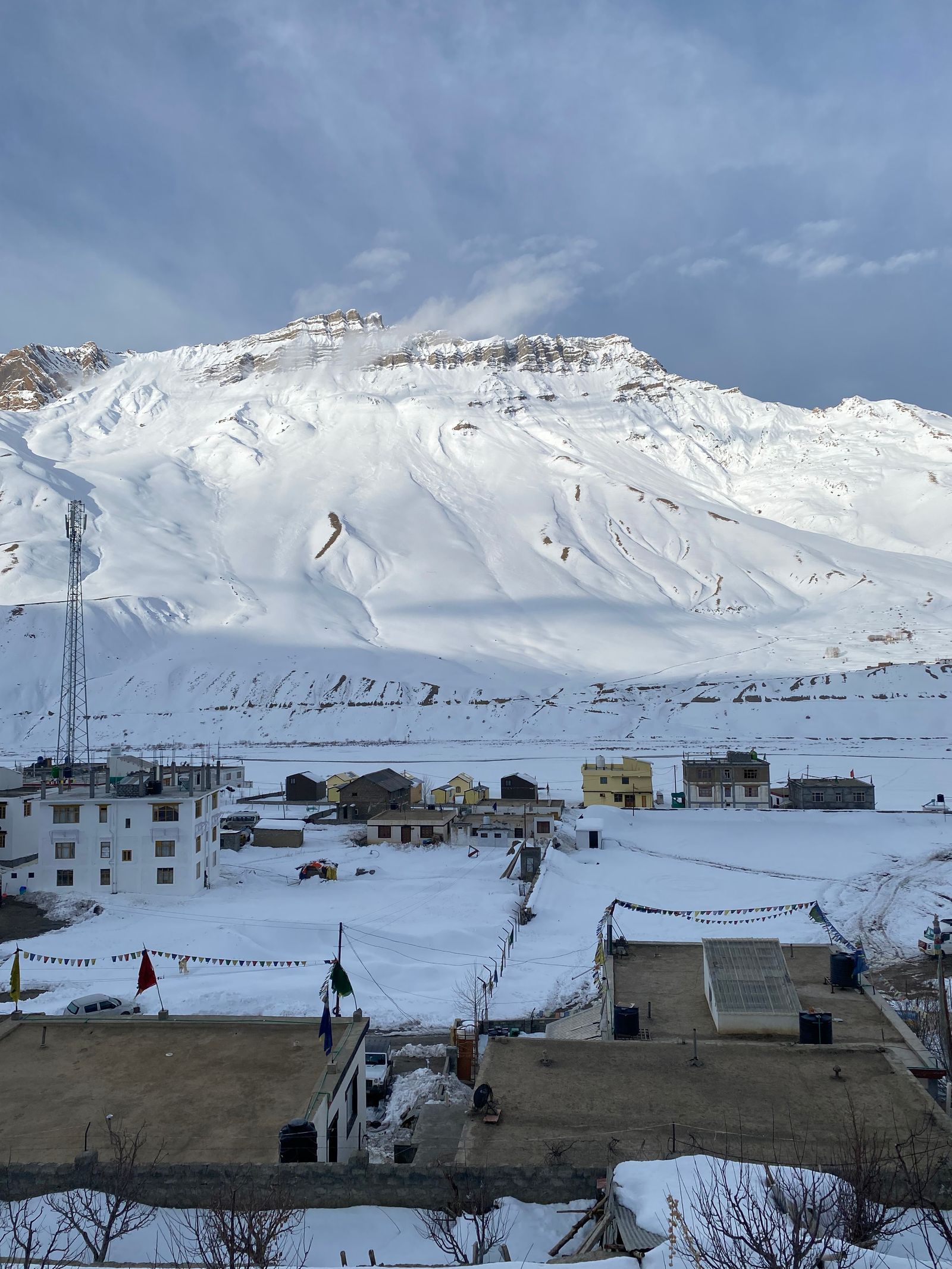
Spiti in winter is another planet - frozen rivers, snow-buried villages and clear cobalt skies. Over seven days you climb via Kinnaur (the only winter-accessible route) through Kalpa, Nako and Tabo to Kaza, visiting the dramatic Key Monastery and the high hamlets of Langza, Hikkim and Komic.
It is cold, remote and unforgettable - a proper expedition run at a safe, acclimatised pace with warm homestays and experienced mountain drivers.
Trip Highlights
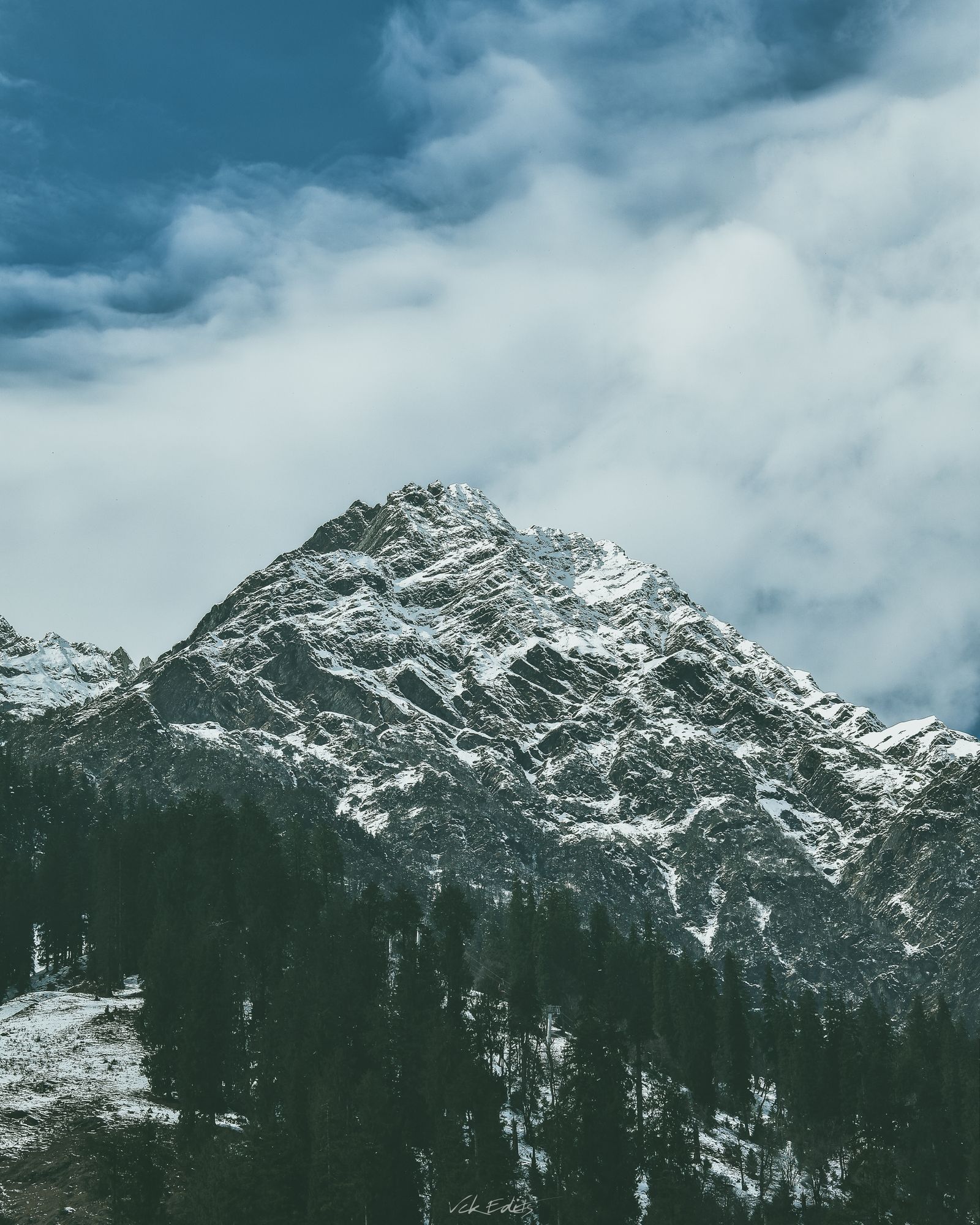
Frozen villages, monasteries and endless snow
The clifftop Key Monastery in snow
Frozen Kaza & the Spiti river
World's highest villages: Komic & Langza
Hikkim - the highest post office
Ancient Tabo Monastery
Kalpa & the Kinner Kailash views
Trip Gallery
A taste of the trip
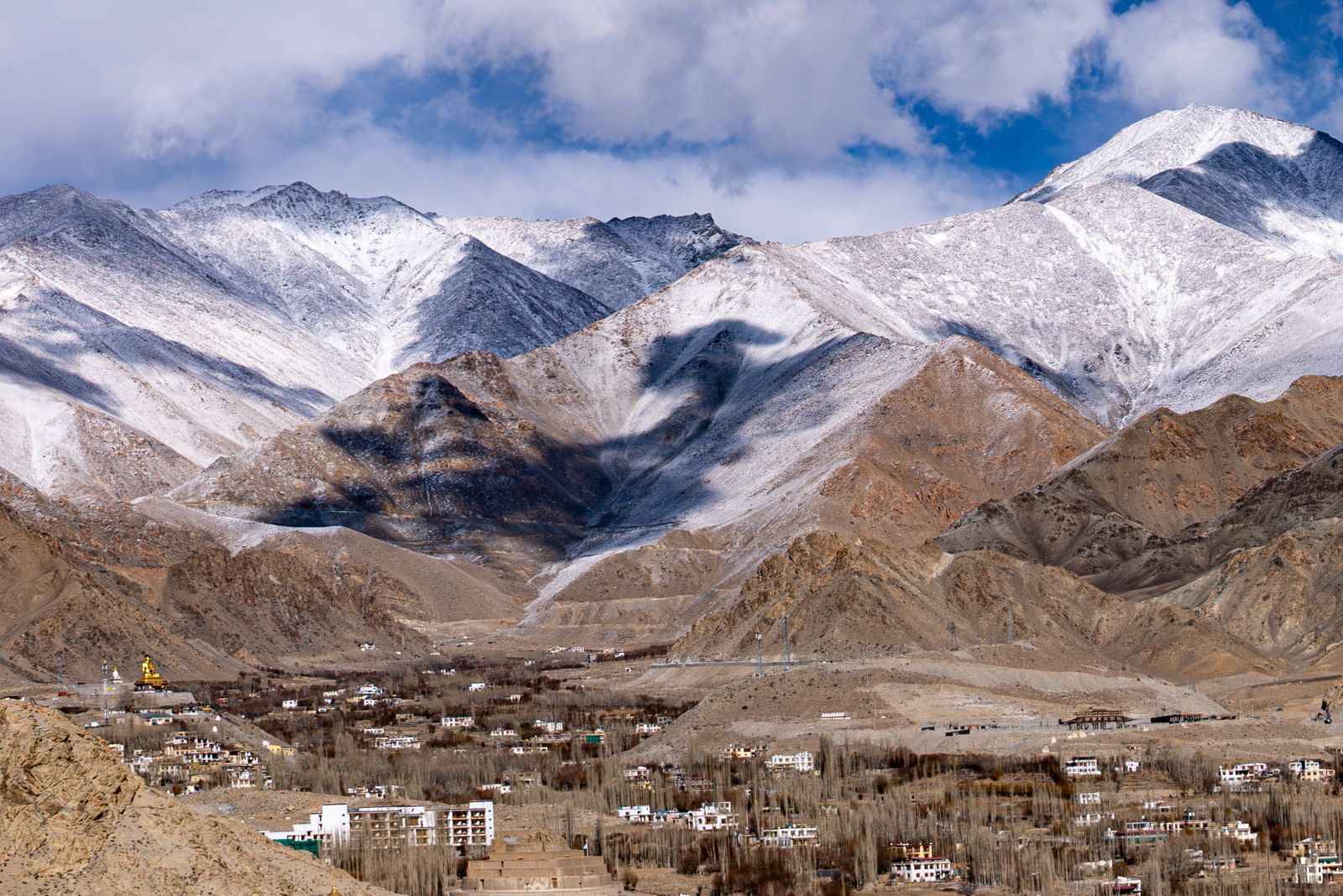
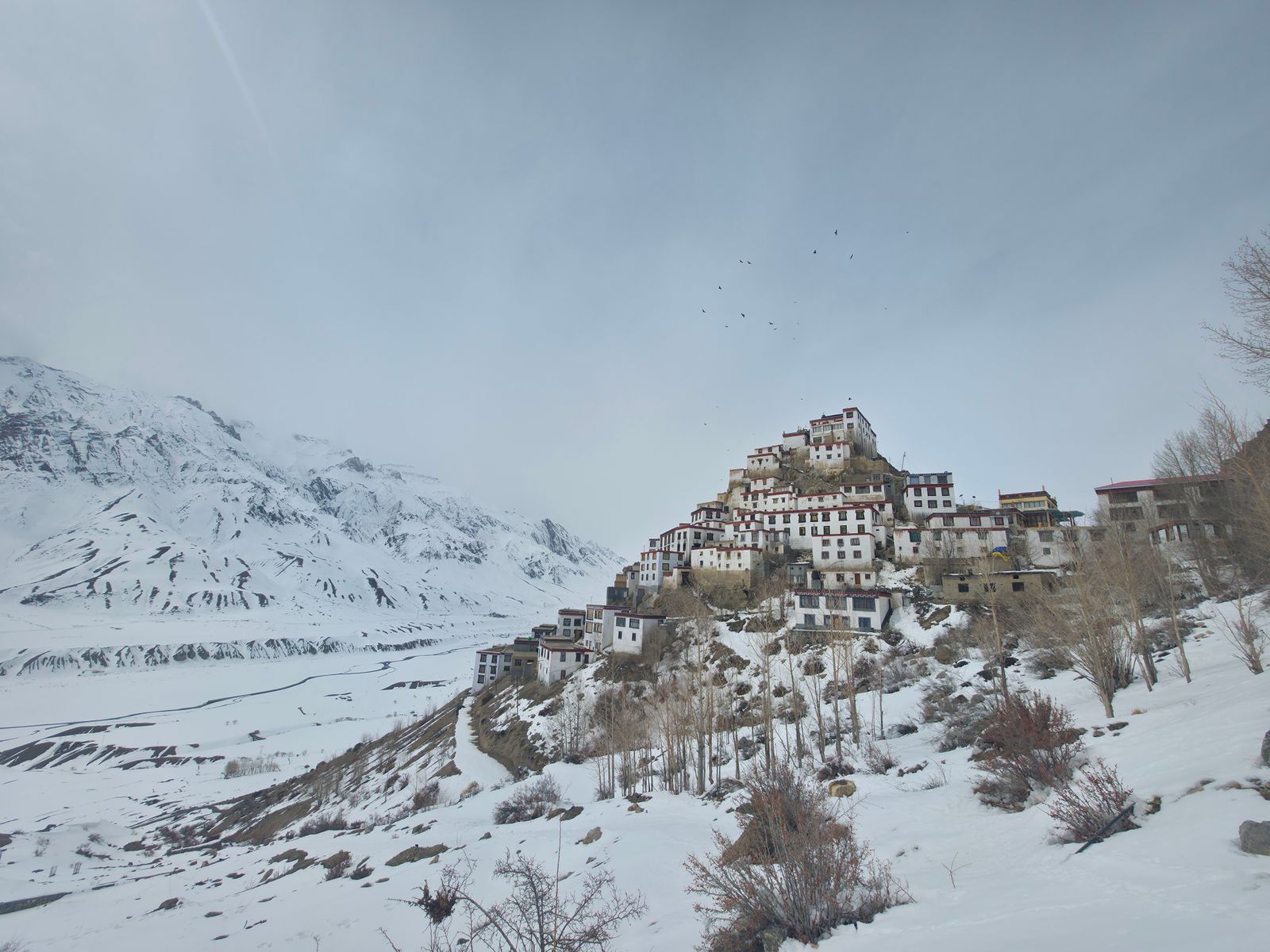
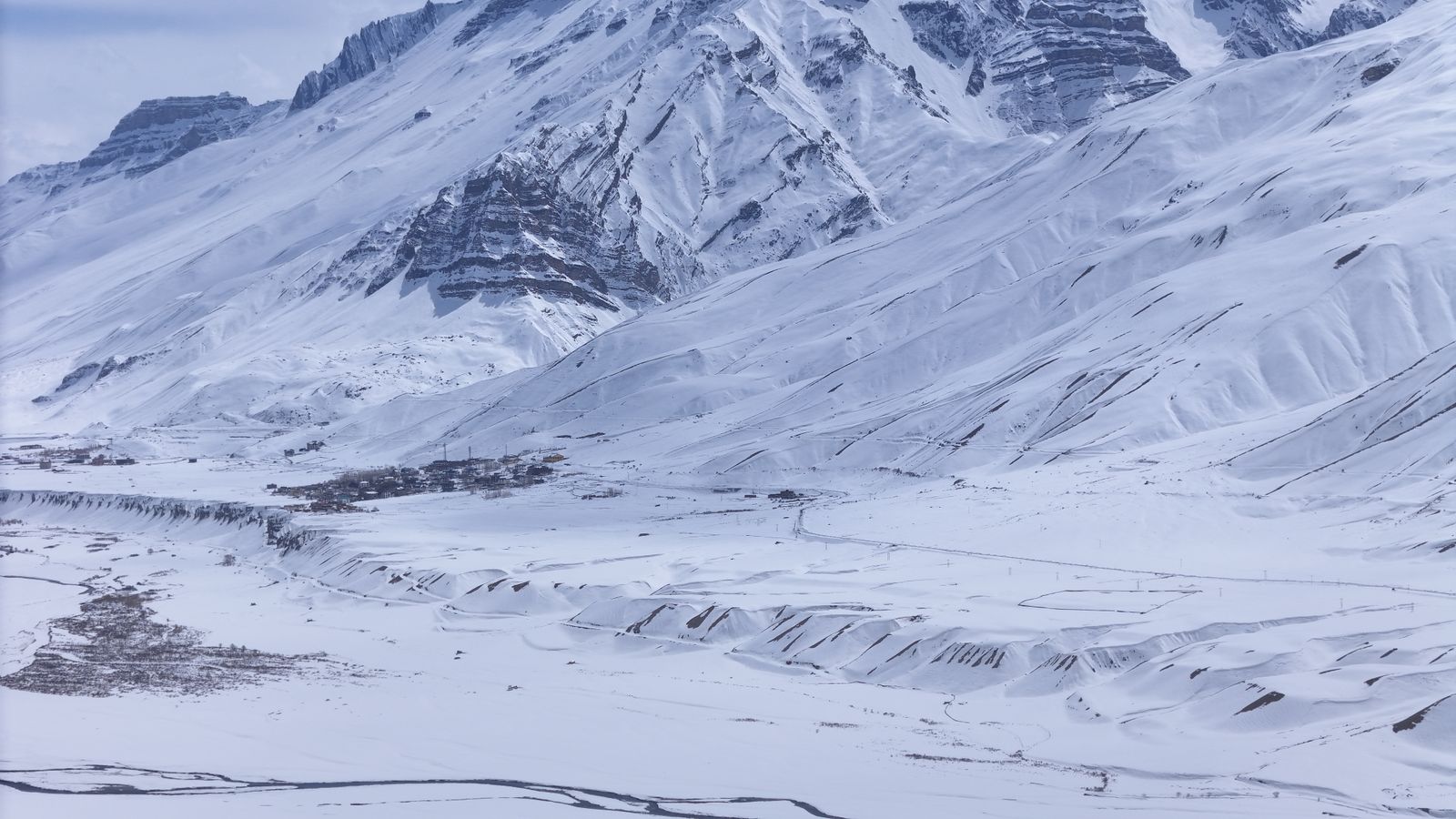
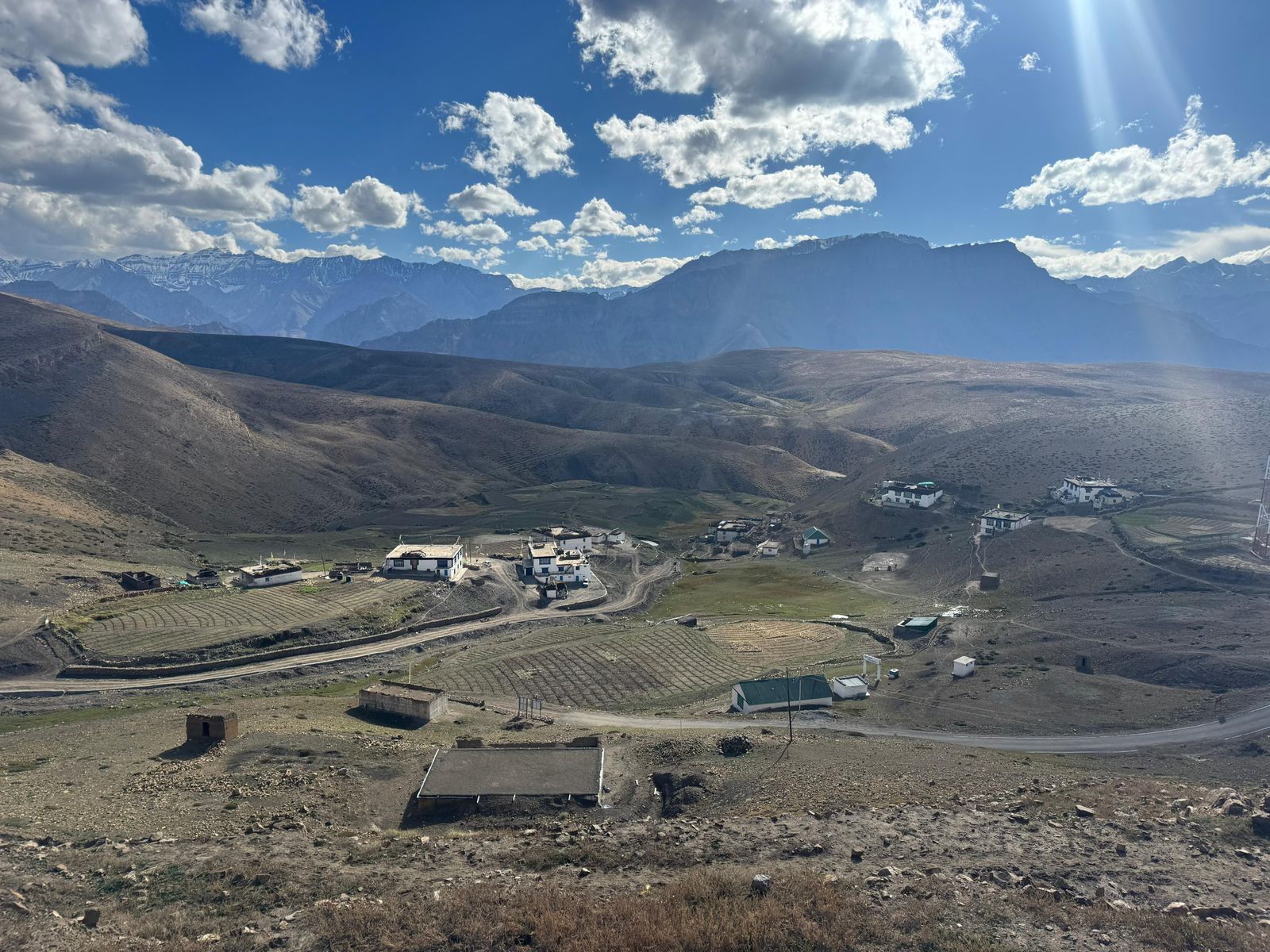
Day-by-Day Itinerary
Seven days into the heart of winter Spiti
- Early drive from Shimla along the Sutlej into Kinnaur.
- Reach Kalpa; evening views of the Kinner Kailash range.
- Drive deeper past Reckong Peo and the Sutlej gorges.
- Reach the frozen Nako lake and village.
- Visit the 1,000-year-old Tabo Monastery.
- Continue to Kaza, Spiti's frozen main town.
- The postcard Key Monastery draped in snow.
- Kibber village and the Kaza market.
- Langza with its giant Buddha statue and fossils.
- Hikkim's highest post office and Komic, among the world's highest villages.
- Long, scenic drive back down through Kinnaur.
- Overnight at Kalpa or Sangla.
- Drive back to Shimla; trip ends.
- An unforgettable winter expedition complete.
What's Included
Transparent pricing — no hidden surprises
- All arrival & departure transfers
- 6 nights hotel stay (Kinnaur & Spiti)
- Daily Breakfast & Dinner
- All sightseeing & transfers by private vehicle
- Driver allowance, fuel, tolls & parking
- 24x7 on-trip support
- Train/air fare to the start city
- Lunches & personal expenses
- Rohtang permit, adventure & activity charges
- Entry tickets, ropeway & pony rides
- GST as applicable
- Anything not listed under inclusions
Things to Carry
High-altitude cold-weather essentials
Important Notes
Please read before booking
Altitude: Spiti, Kinnaur and Chandratal sit at 3,000–4,300m. We build in acclimatisation and keep the pace gentle to reduce the risk of mountain sickness (AMS).
Roads & Season: High passes like Kunzum and the Atal Tunnel route are seasonal; the summer Spiti circuit runs roughly June–October, while winter Spiti is a special snow experience.
Connectivity: Mobile network and ATMs are limited beyond Kaza and Reckong Peo. Postpaid SIMs work best; carry enough cash.
Permits: Indian nationals do not need inner-line permits for the main Spiti and Kinnaur circuit; we advise on any local requirements before you travel.
Frequently Asked Questions
Everything you need to know before you book
In winter the Manali-Kunzum La route is buried in snow and closed. The only way into Spiti is the lower Kinnaur route along the Sutlej (via Kalpa, Nako and Tabo), which stays open with care.
Very cold - daytime can hover around freezing and nights drop to -15 to -25 C in Kaza. We use heated homestays where possible and provide guidance on layering; it is an experience for the well-prepared.
Yes, with the right operator. We ascend gradually via Kinnaur for acclimatisation, keep the pace gentle, carry oxygen and a first-aid kit, and use experienced winter drivers who know the roads.
Mostly warm local homestays and basic guesthouses, since luxury hotels close for winter. They are simple but cosy, with hearty local food and heating (bukhari stoves) - part of the authentic experience.
Winter is the best season for a chance sighting around Kibber, and dedicated spotting can be arranged, but sightings are never guaranteed - they are elusive. The frozen landscapes alone are worth the trip.
Adventurous travellers comfortable with cold, remote conditions and basic stays. It is not a luxury holiday - it rewards those seeking raw Himalayan beauty. Consult a doctor if you have heart or breathing concerns.
You do not need to trek, but you should be reasonably healthy to handle high altitude (Kaza is ~3,800m) and cold. We keep walking minimal and the pace easy, with acclimatisation built in.
December to February for the full frozen experience, with the deepest snow in January. Roads can close temporarily after heavy snowfall, so we keep the itinerary flexible for safety.