About this Himachal Tour
Every corner of Kinnaur and Spiti
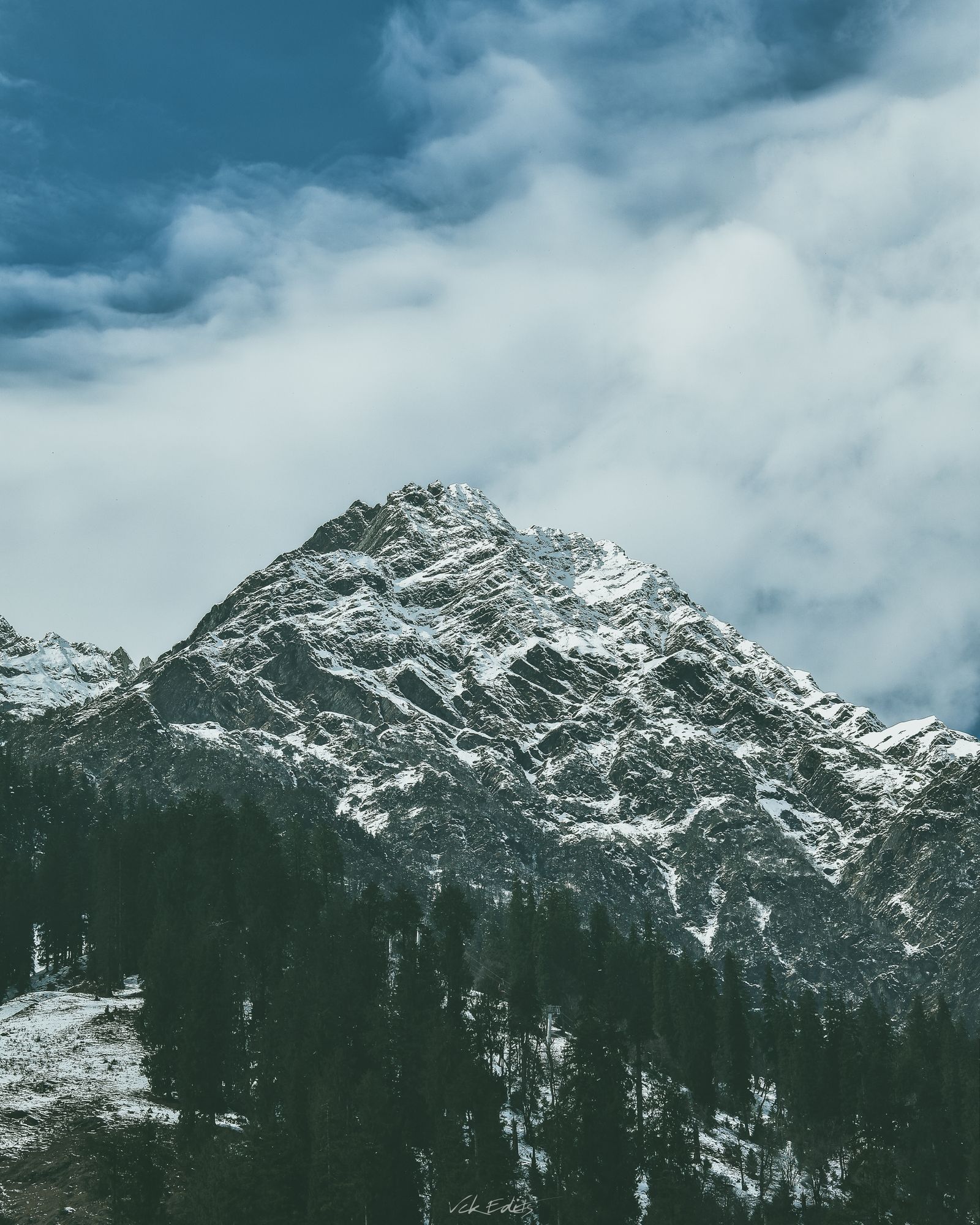
The most thorough Kinnaur-Spiti journey we run. Ten unhurried days let you savour Kinnaur's Sangla, Chitkul and Kalpa, cross into Spiti for Tabo, Dhankar, Kaza and Pin Valley, and finish at the Chandratal lake before descending to Manali.
With extra nights built in, altitude is handled gently and nothing feels rushed - ideal for travellers who want depth over speed.
Trip Highlights
Kinnaur and Spiti in full, at an easy pace
Chitkul - India's last village
Kalpa & Kinner Kailash sunrises
Tabo & Dhankar monasteries
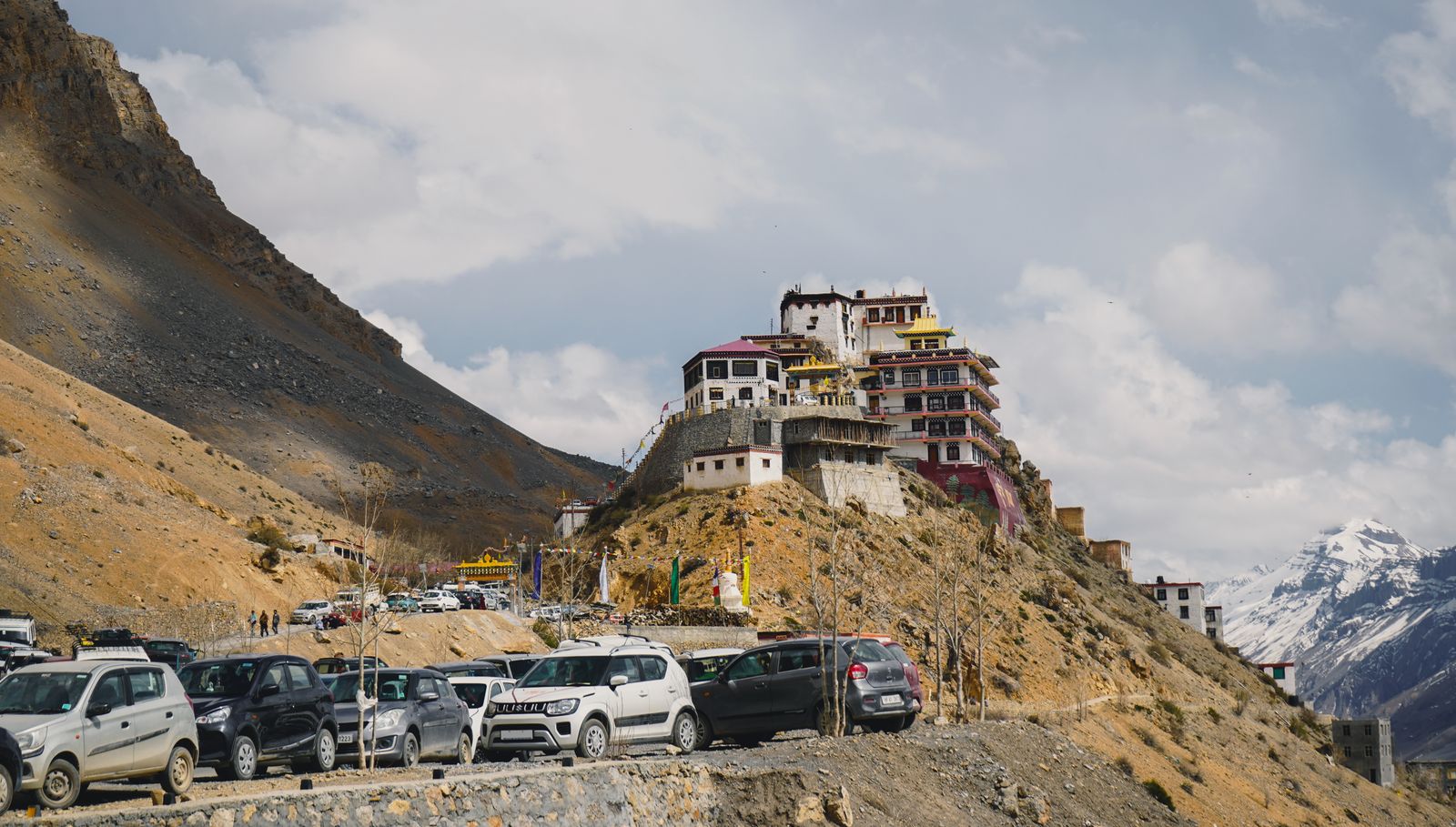
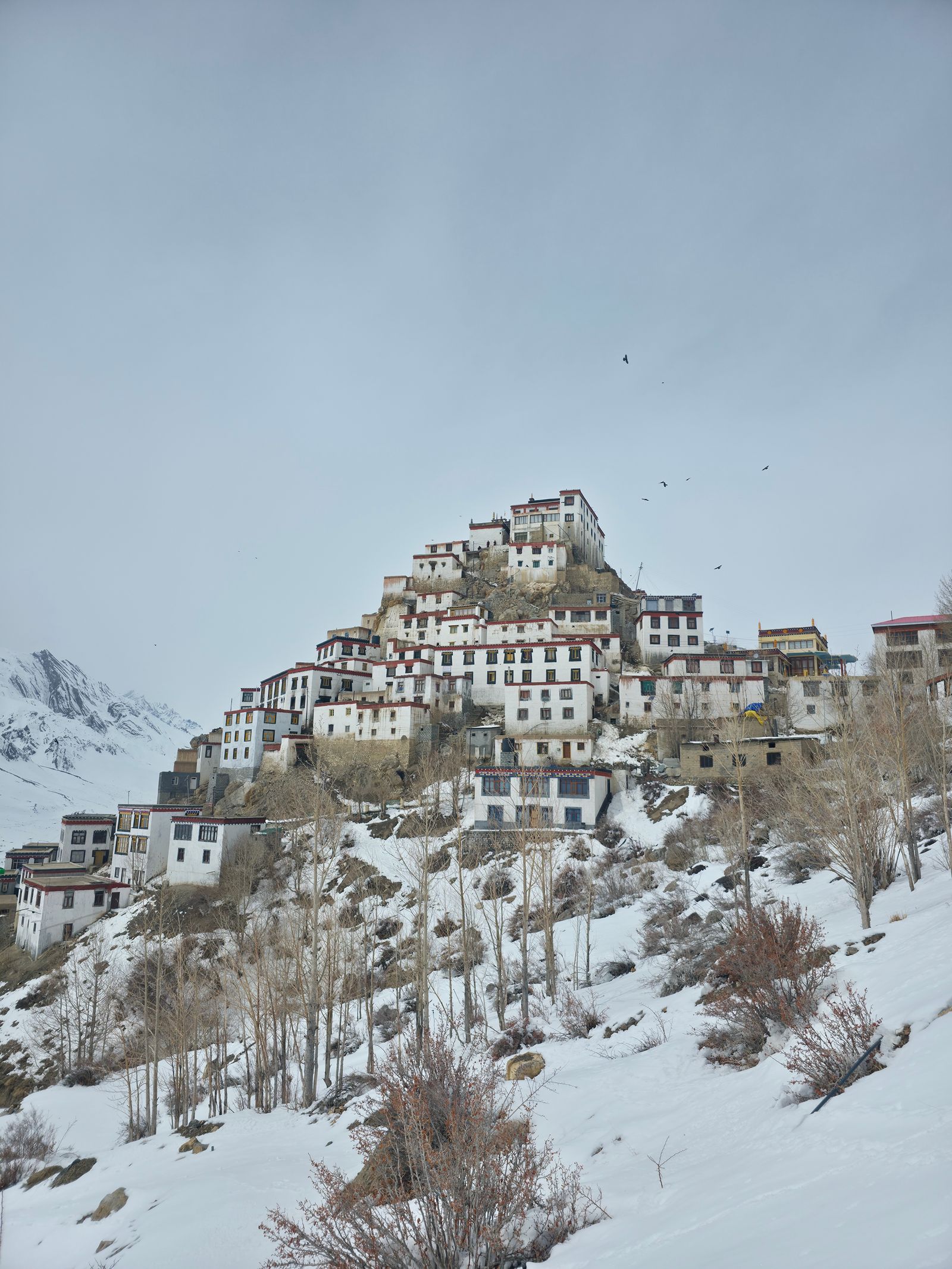
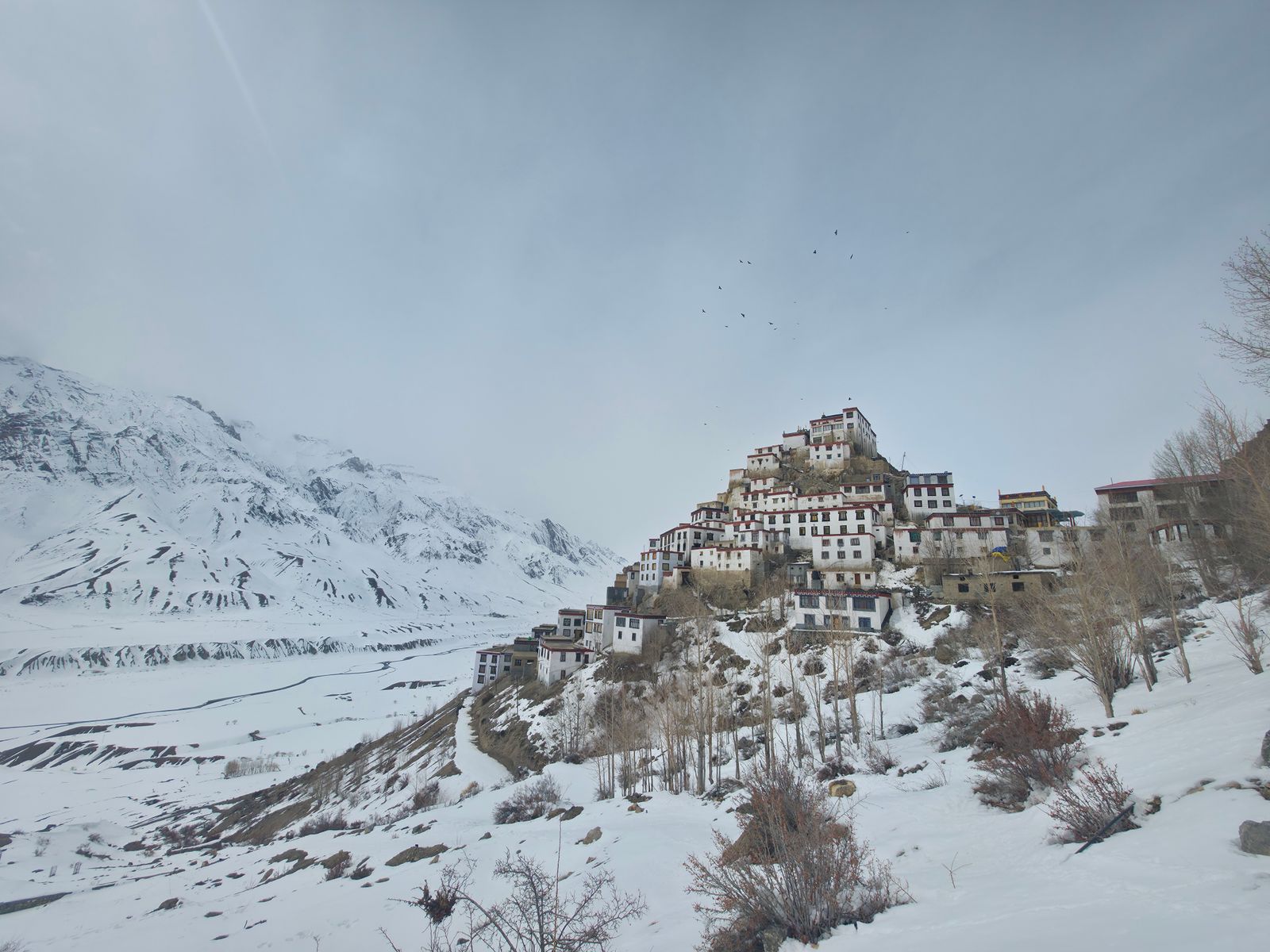
Key Monastery & high villages
The green Pin Valley
A night at Chandratal lake
Trip Gallery
A taste of the trip
Day-by-Day Itinerary
Ten days through Kinnaur and Spiti
- Drive from Shimla into Kinnaur along the Sutlej.
- Reach Sangla in the Baspa valley.
- Excursion to Chitkul, the last inhabited village near the border.
- Riverside meadows and the Baspa views.
- Drive to Kalpa via Reckong Peo.
- Apple orchards and Kinner Kailash range.
- Drive past the Sutlej gorges to Nako.
- Nako lake and the old village.
- Drive to Tabo; explore the ancient monastery and caves.
- Slow evening to acclimatise.
- The dramatic Dhankar Monastery and fort.
- Optional Dhankar lake walk; continue to Kaza.
- Key Monastery, Kibber, Langza, Hikkim and Komic.
- Fossils, the giant Buddha and the highest post office.
- Explore the Pin Valley National Park and Mudh village.
- Riverside walks and local life.
- Drive over towards Kunzum La to Chandratal.
- Camp near the lake; sunset and stargazing.
- Cross Kunzum La and descend via the Atal Tunnel to Manali.
- Trip ends; depart for onward journey.
What's Included
Transparent pricing — no hidden surprises
- All arrival & departure transfers
- 9 nights hotel stay (Kinnaur, Spiti & Lahaul)
- Daily Breakfast & Dinner
- All sightseeing & transfers by private vehicle
- Driver allowance, fuel, tolls & parking
- 24x7 on-trip support
- Train/air fare to the start city
- Lunches & personal expenses
- Rohtang permit, adventure & activity charges
- Entry tickets, ropeway & pony rides
- GST as applicable
- Anything not listed under inclusions
Things to Carry
High-altitude cold-weather essentials
Important Notes
Please read before booking
Altitude: Spiti, Kinnaur and Chandratal sit at 3,000–4,300m. We build in acclimatisation and keep the pace gentle to reduce the risk of mountain sickness (AMS).
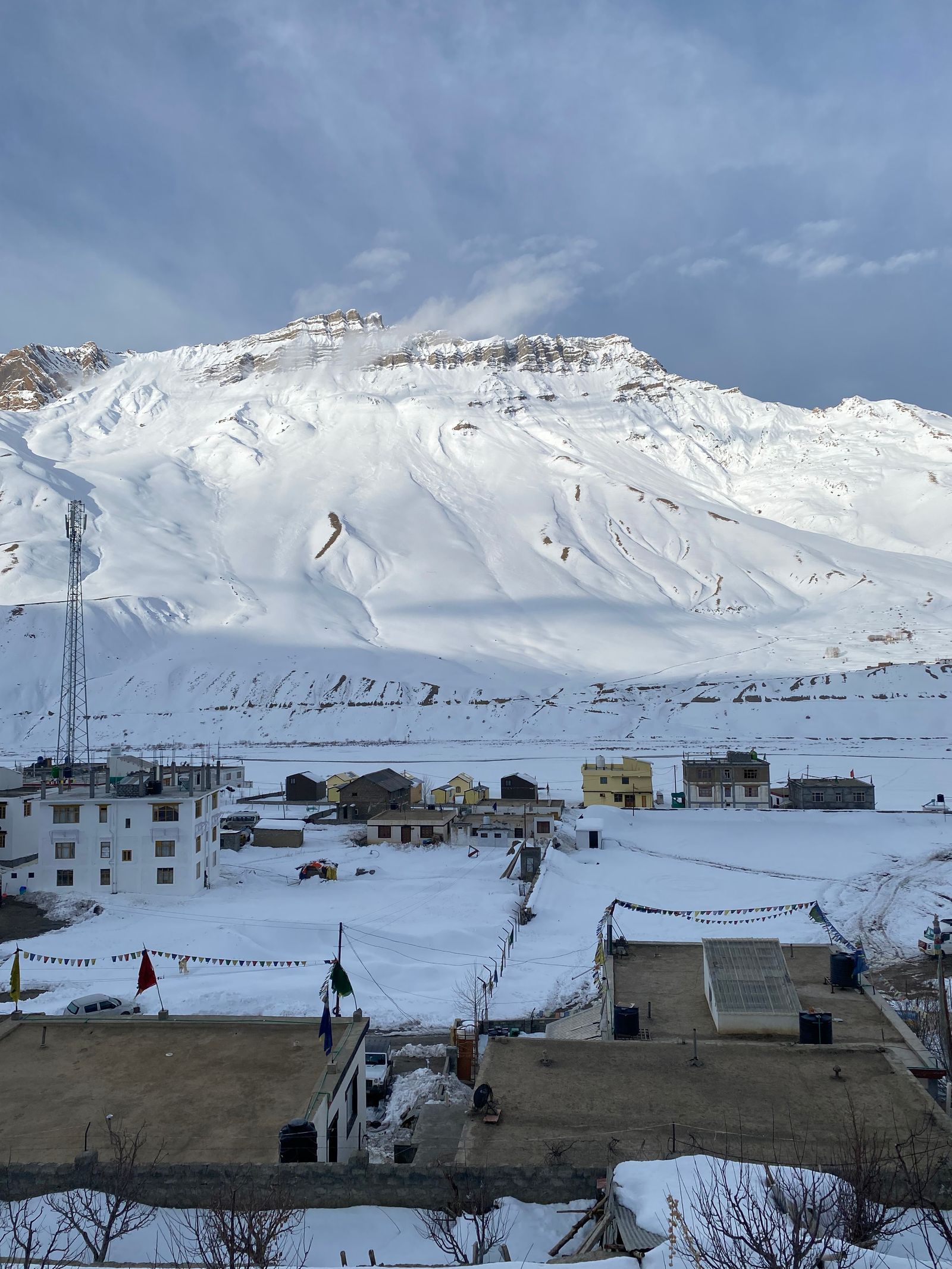
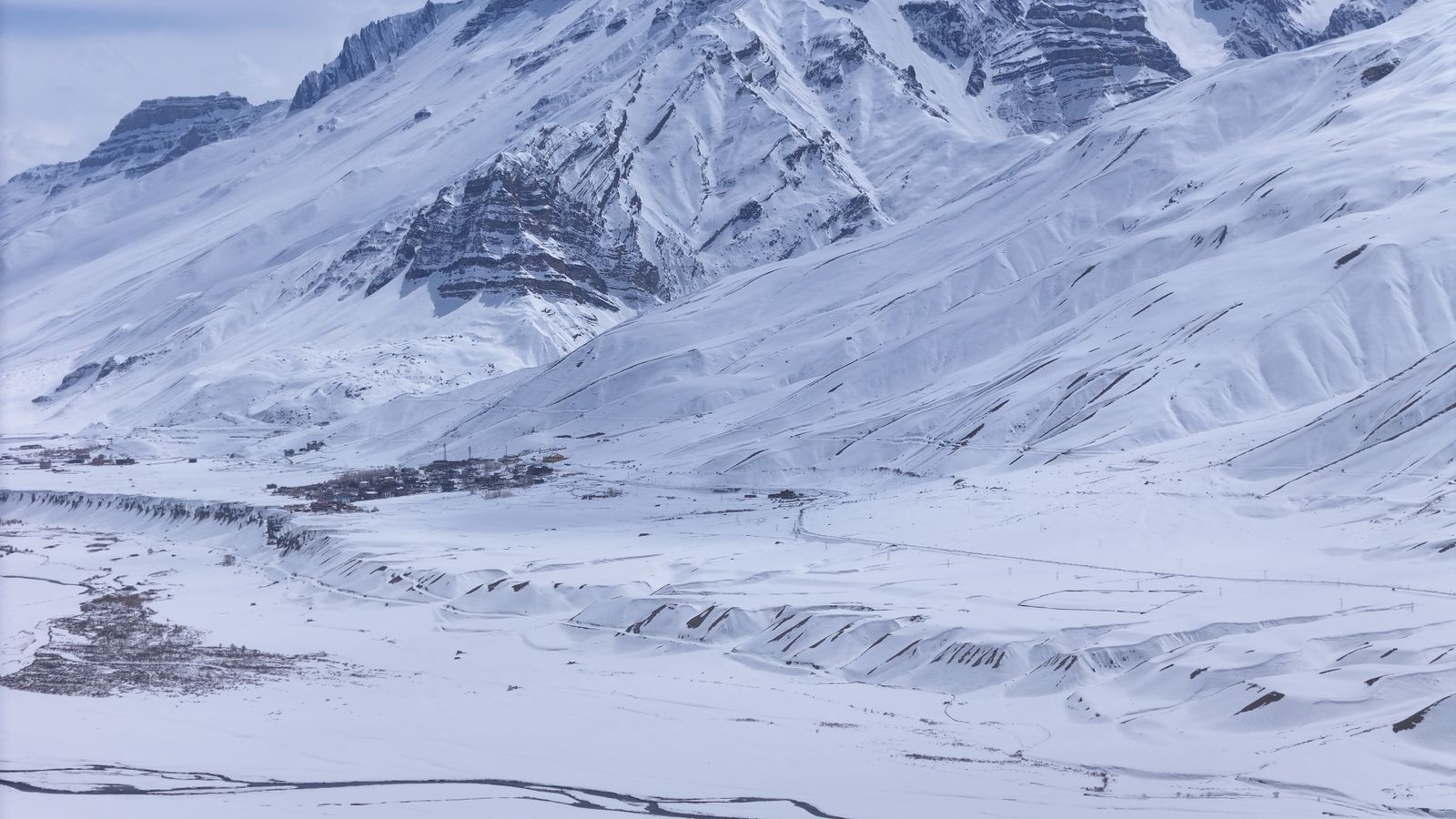
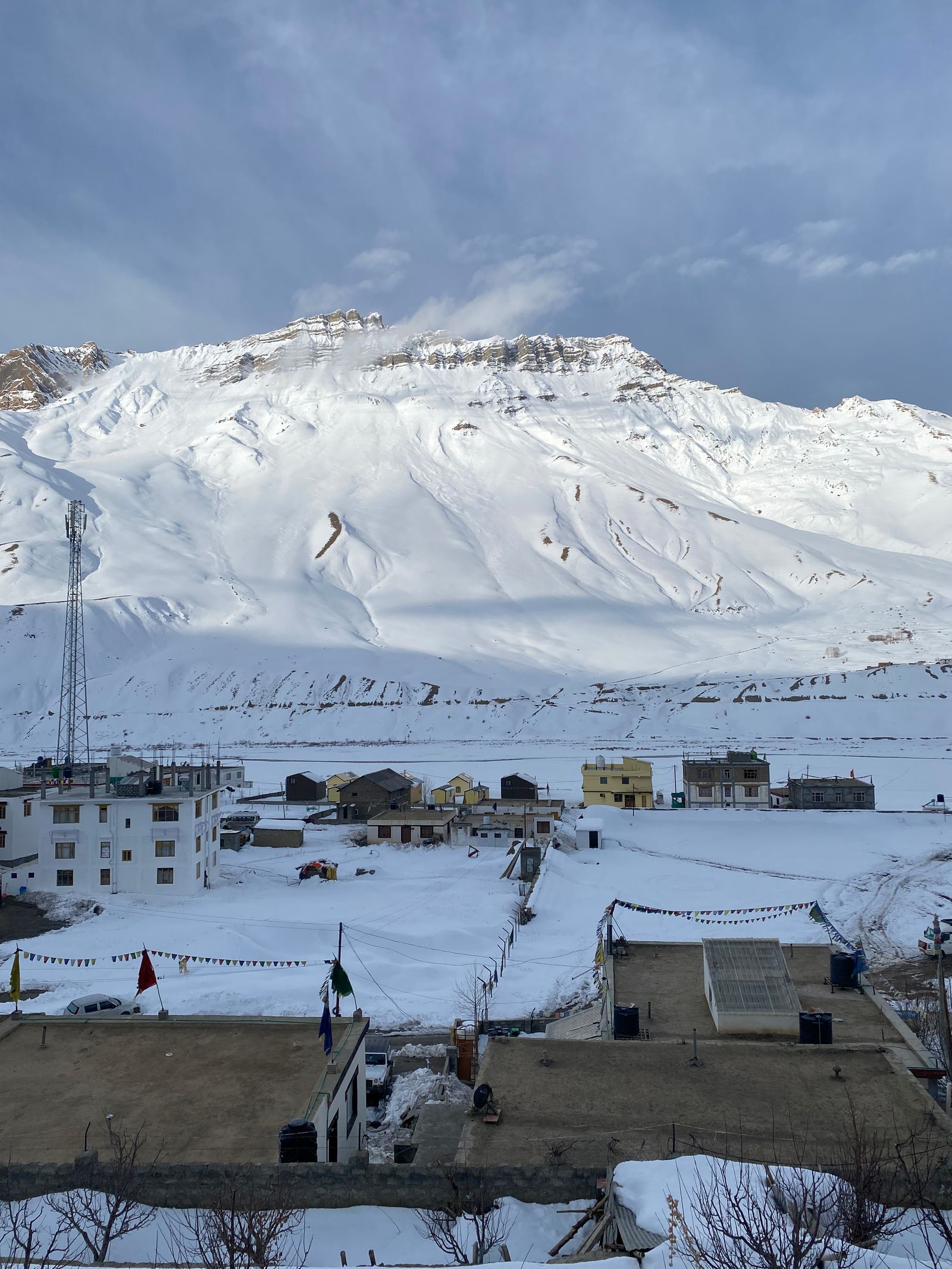
Roads & Season: High passes like Kunzum and the Atal Tunnel route are seasonal; the summer Spiti circuit runs roughly June–October, while winter Spiti is a special snow experience.
Connectivity: Mobile network and ATMs are limited beyond Kaza and Reckong Peo. Postpaid SIMs work best; carry enough cash.
Permits: Indian nationals do not need inner-line permits for the main Spiti and Kinnaur circuit; we advise on any local requirements before you travel.
Frequently Asked Questions
Everything you need to know before you book
It adds extra nights (Sangla-Chitkul, Nako, Pin Valley) for a deeper, slower exploration of both Kinnaur and Spiti. The standard circuit is faster; this one prioritises depth, comfort and gentler acclimatisation.
Chitkul is the last inhabited village on the old Indo-Tibet road in Kinnaur's Baspa valley, famous for its pristine air, wooden houses and riverside meadows. It is one of the prettiest, most peaceful spots on the route.
Not at all - the region is vast and high, and extra days mean better acclimatisation and time to actually absorb the monasteries, villages and landscapes rather than rushing through them.
The key ones - Tabo (1,000 years old), the clifftop Dhankar, the iconic Key, plus village gompas. Each has a distinct character and history, and the guide explains their significance.
Comfortable hotels and guesthouses in Sangla, Kalpa, Tabo and Kaza, simpler homestays in remote spots, and a fixed tented camp near Chandratal. It gets more basic as you go higher and remoter.
For the main Kinnaur-Spiti circuit, Indian nationals do not need inner-line permits. Some border areas beyond Chitkul or near the frontier may, and we advise and arrange where required.
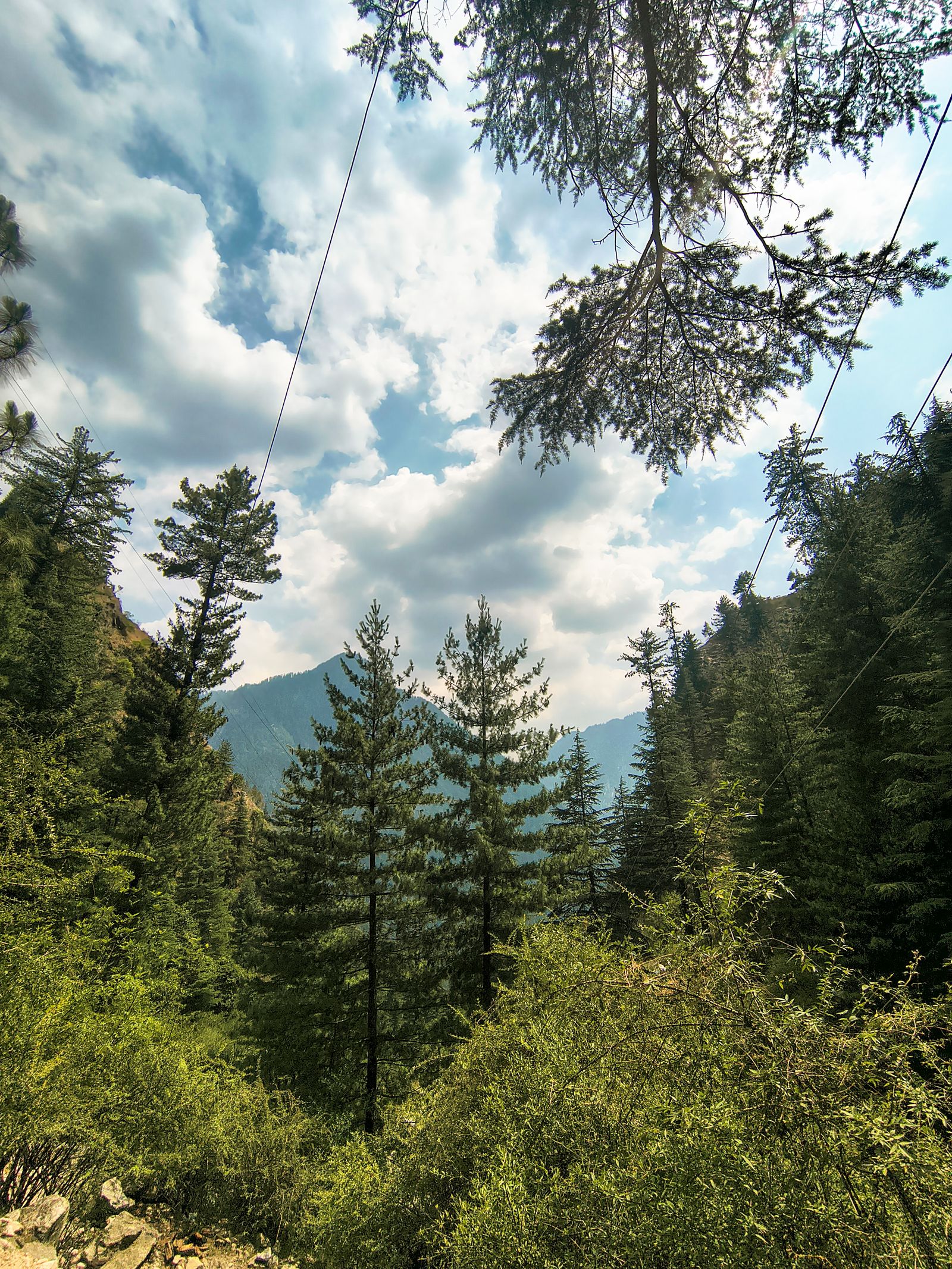
Superb - the extra time and varied terrain (green Kinnaur, stark Spiti, blue Chandratal, ancient monasteries) make it a photographer's dream, with golden-hour stops built into the pacing.
June to October, when both the Kinnaur and Manali sides are open. July-August can bring rain-related roadblocks in lower Kinnaur, while September-October offers clear skies and golden landscapes.