About this Himachal Tour
A dramatic crossover from Kullu to Lahaul
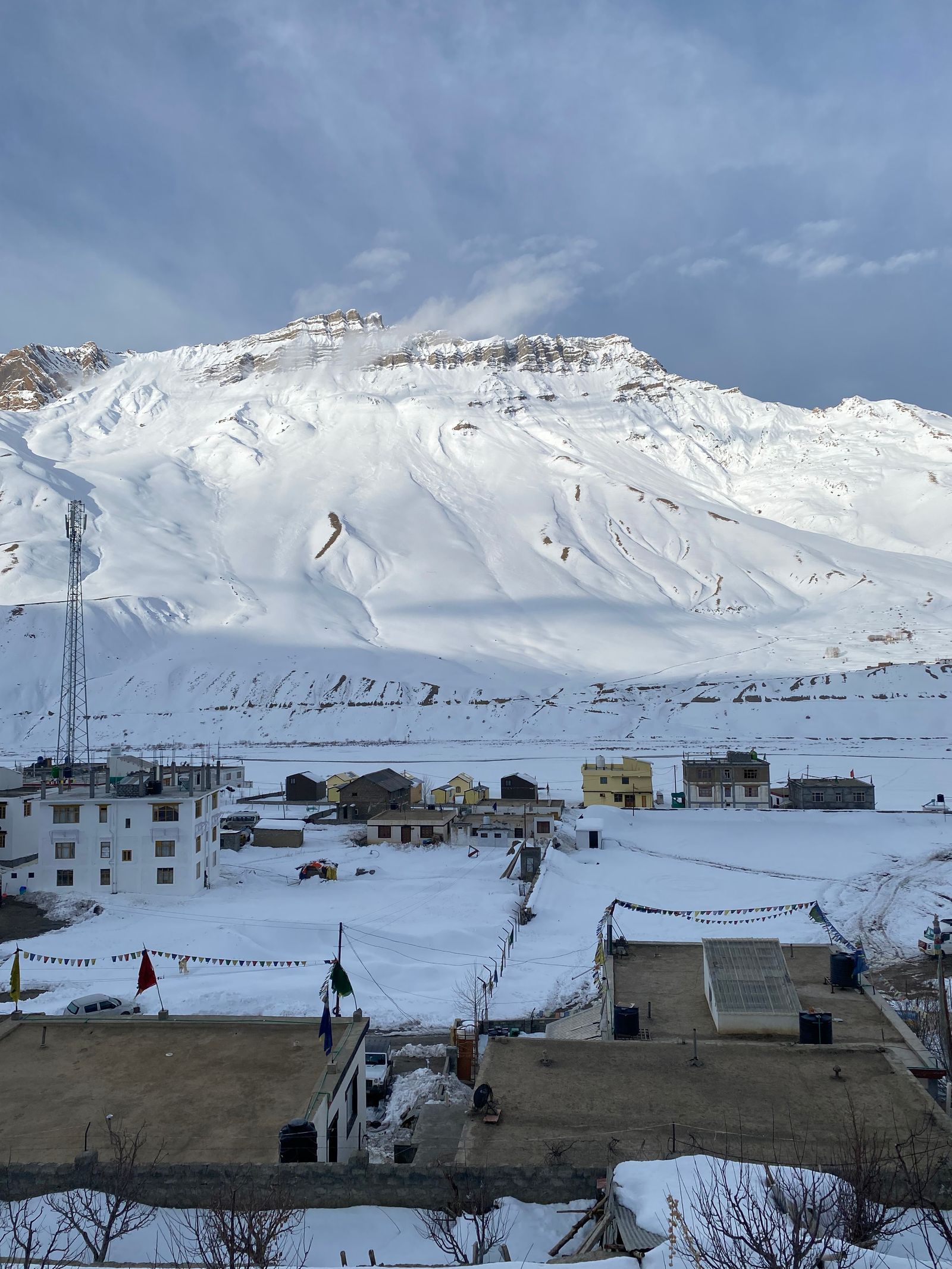
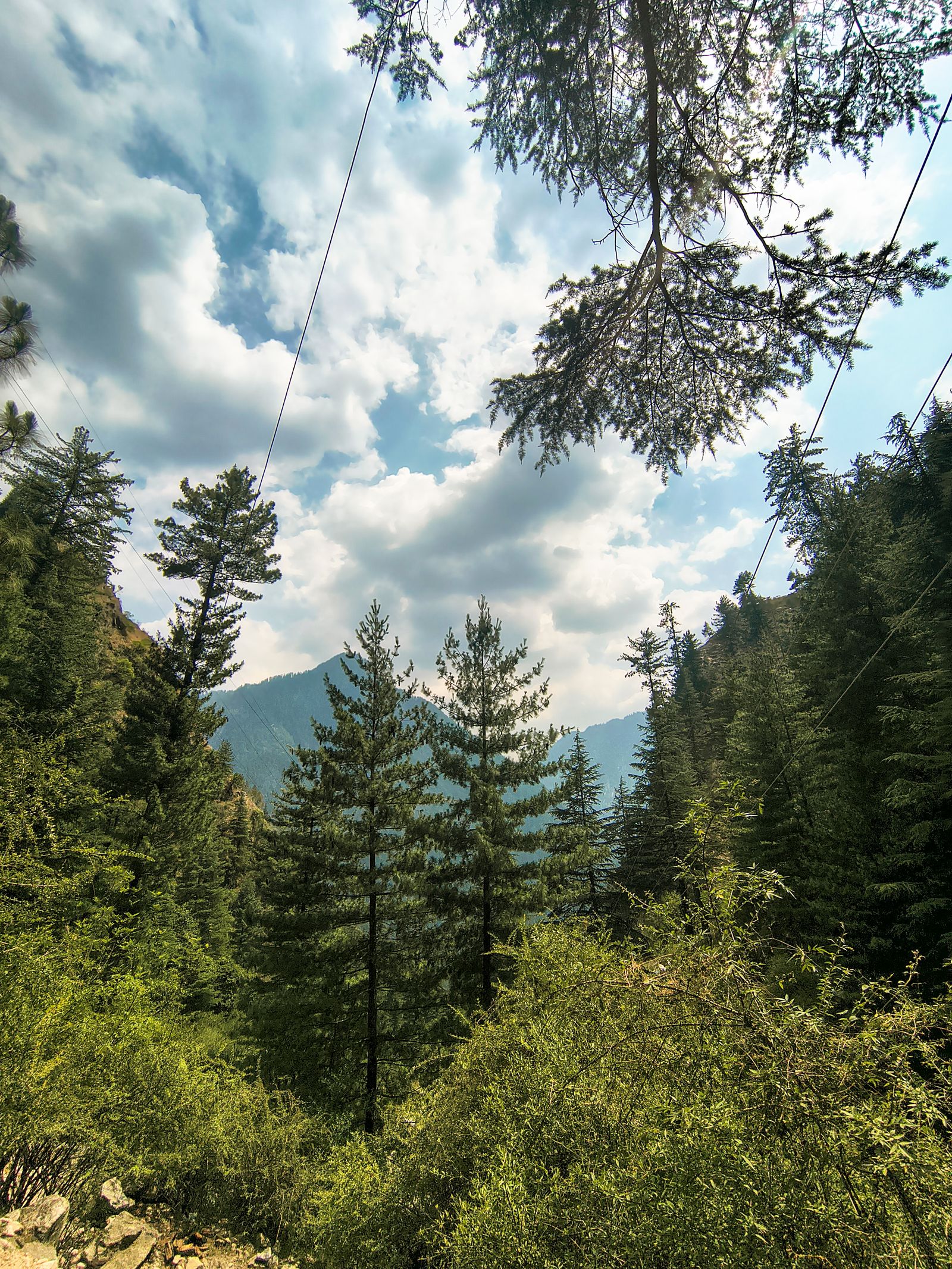
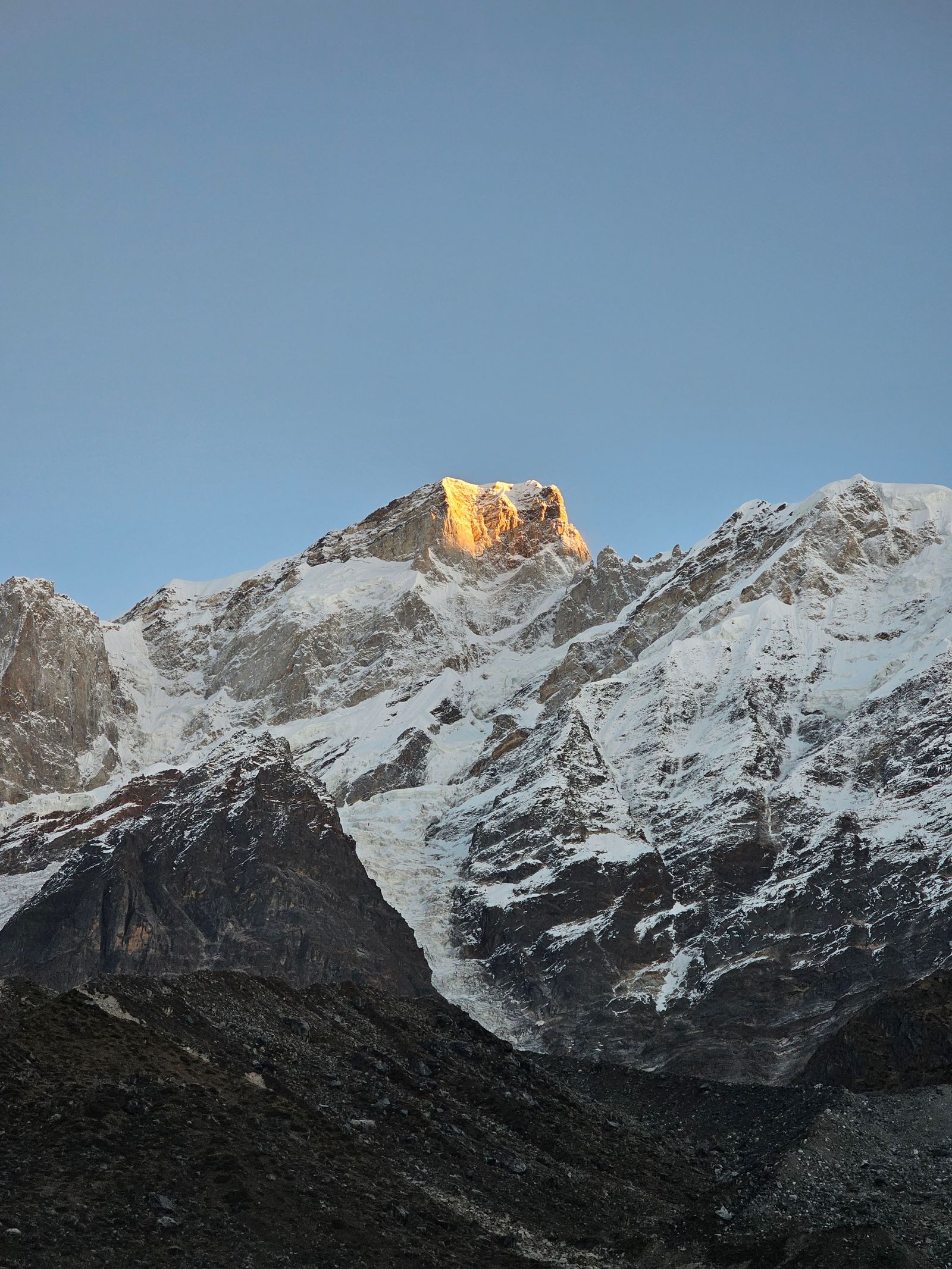
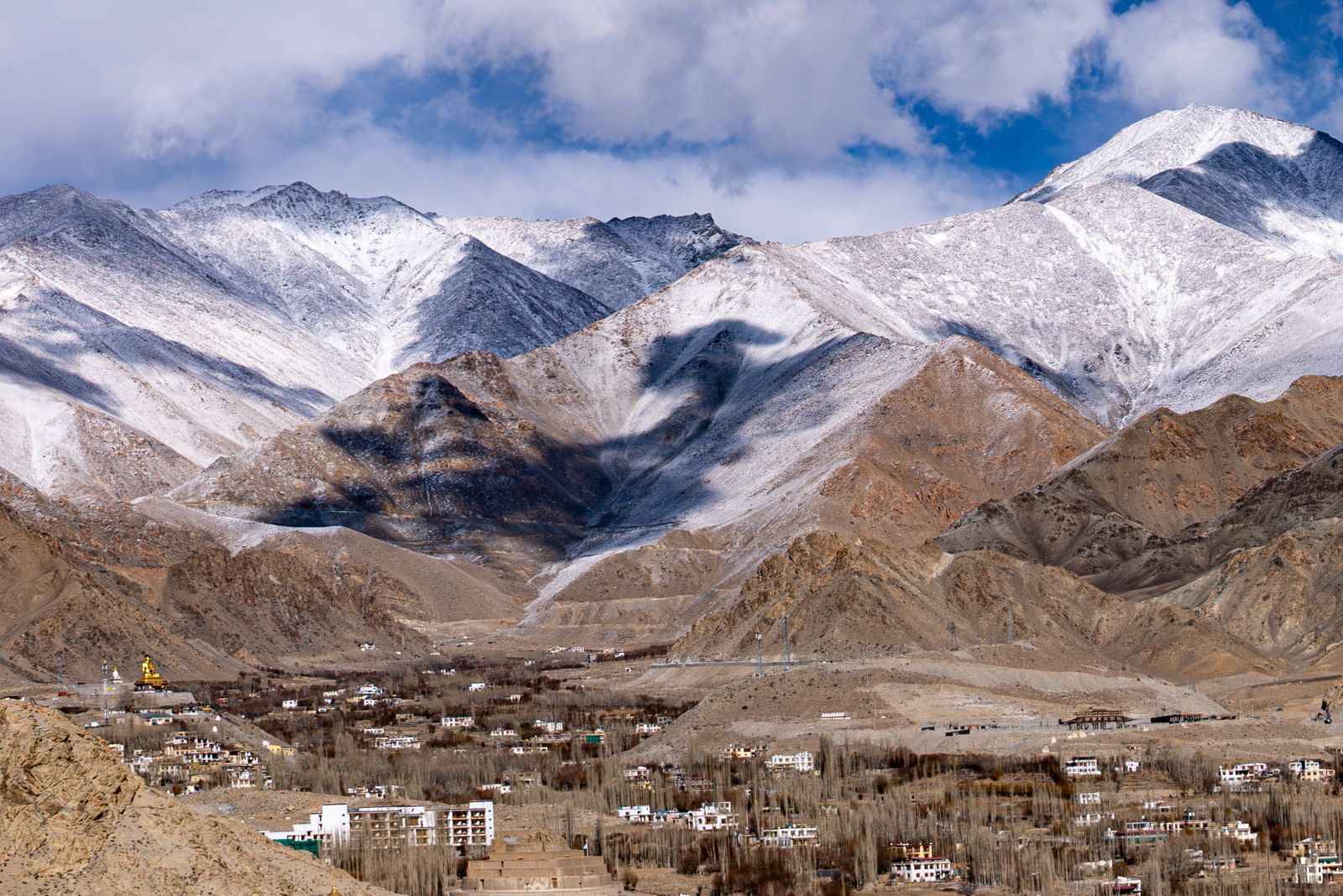
One of the Himalayas' most dramatic crossover treks. Starting near Manali, you climb through green Kullu meadows and pine forest to the sharp Hampta Pass (14,100 ft), then descend into the stark, barren landscape of Lahaul - a total change of world in a single day - finishing with a visit to Chandratal lake.
Moderate in difficulty, with a trek leader, camps, meals and safety gear provided.
Trip Highlights
Meadows, a high pass and a barren descent
Cross the Hampta Pass (14,100 ft)
Green Kullu to barren Lahaul
A visit to Chandratal lake
Meadow & riverside camps
River crossings & snow patches
A classic moderate Himalayan trek
Trip Gallery
A taste of the trip
Day-by-Day Itinerary
Six days across the Hampta Pass
- Arrive in Manali; check in.
- Trek briefing, gear check and acclimatisation.
- Drive to Jobra; trek to the Chika meadow camp.
- Easy first day beside the Rani nallah.
- Trek through meadows and river crossings.
- Reach Balu Ka Ghera, the base camp for the pass.
- Long climb to the Hampta Pass (14,100 ft).
- Cross over and descend the dramatic Lahaul side to Siagoru.
- Trek down to Chatru.
- Drive to visit the beautiful Chandratal lake; overnight nearby.
- Drive back to Manali via the Atal Tunnel.
- Trip ends.
What's Included
Transparent pricing — no hidden surprises
- All arrival & departure transfers
- 5 nights hotel stay (Kullu & Lahaul)
- Daily All meals on trek
- All sightseeing & transfers by private vehicle
- Driver allowance, fuel, tolls & parking
- 24x7 on-trip support
- Train/air fare to the start city
- Lunches & personal expenses
- Rohtang permit, adventure & activity charges
- Entry tickets, ropeway & pony rides
- GST as applicable
- Anything not listed under inclusions
Things to Carry
Trek essentials — pack light but right
Important Notes
Please read before booking
Fitness: A basic level of fitness helps. We share a simple preparation plan; some daily walking or jogging beforehand makes the trek far more enjoyable.
Altitude: Higher treks cross alpine meadows and passes. We pace the ascent for acclimatisation and carry a first-aid kit; a trek leader accompanies the group.
Best Season: Most Himachal treks run roughly May–June and September–October; some (like Kheerganga and Triund) have a longer window. Snow treks have their own season.
What's Provided: Camping/stay, meals on trek, a certified guide and safety gear as specified. Personal trek gear is your responsibility — see the packing list.
Frequently Asked Questions
Everything you need to know before you book
It is graded moderate - about 26 km over roughly 4 trekking days, topping out at 14,100 ft. The pass-crossing day is long and steep with snow patches and river crossings, but fit beginners with some preparation manage it well.
It is a classic crossover trek: you start in the lush green Kullu valley and, after crossing the pass, descend into the stark, barren moonscape of Lahaul - a dramatic change of scenery in a single day. The Chandratal visit is the cherry on top.
Roughly mid-June to September, once the snow on the pass has eased. Early season has more snow at the top; September offers clearer, drier trails. It closes with winter snow.
Yes - after descending to Chatru, we drive to the stunning Chandratal (moon lake) for a visit. Road conditions permitting, it is a highlight of the trip.
You should be able to walk 5-6 hours a day with a daypack and handle a long summit day. We recommend a few weeks of cardio and leg training beforehand; we share a preparation plan on booking.
You reach 14,100 ft at the pass. We build in acclimatisation, ascend gradually, carry oxygen and a first-aid kit, and the trek leader monitors everyone. Inform us of any health conditions.
We provide tents, sleeping bags, meals on trek, a trek leader, guides and safety gear. You carry a daypack with water, snacks, layers and personal items; a full packing list is shared on booking.
Yes - there are a few glacial-stream crossings, which the team helps you across safely. Waterproof sandals or quick-dry shoes are handy for these sections.