About this Panch Kedar Yatra
The five Himalayan Shiva shrines where Shiva's form is worshipped
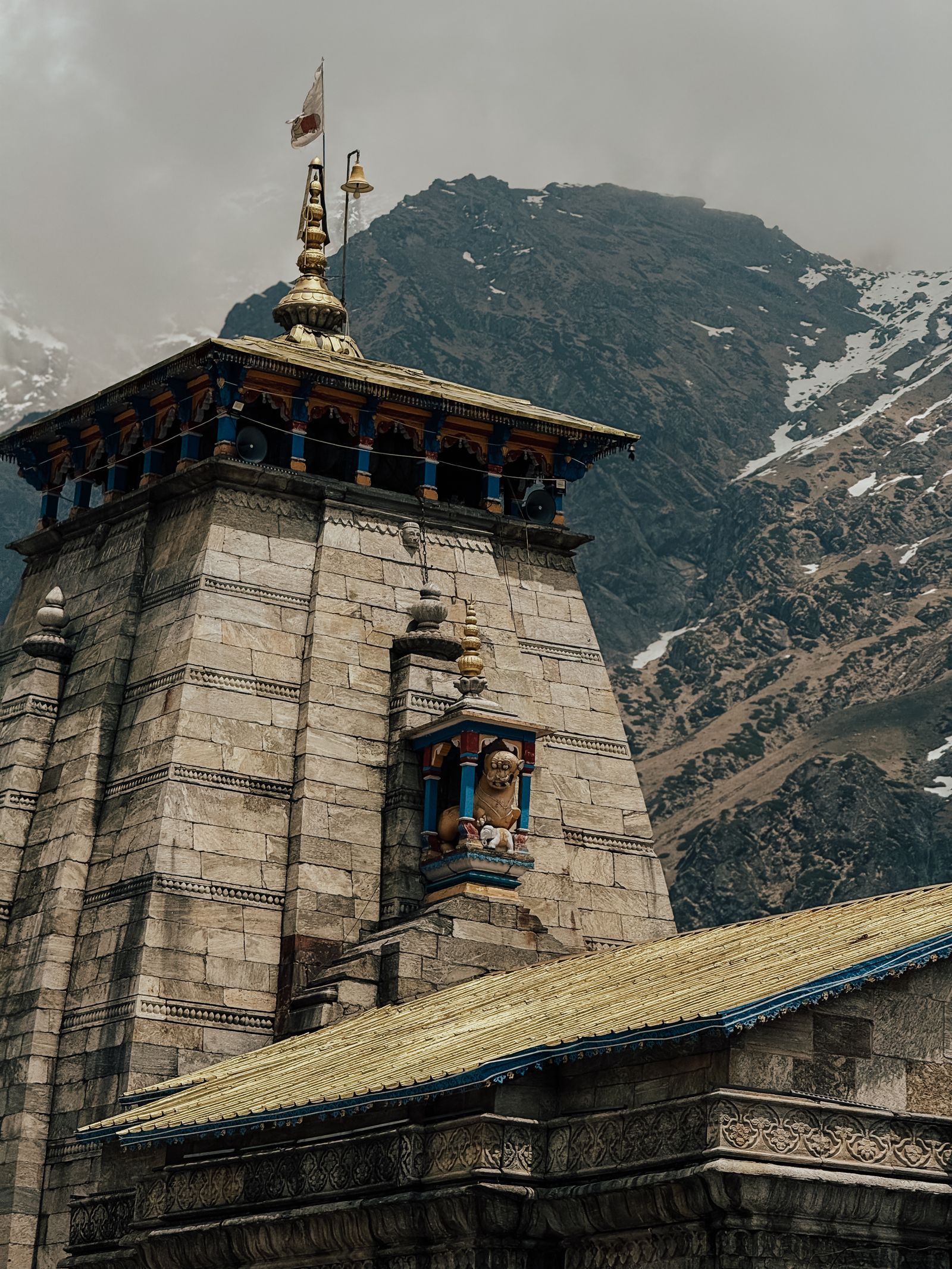
The Panch Kedar is a circuit of five sacred Shiva temples — Kedarnath, Tungnath, Rudranath, Madhyamaheshwar and Kalpeshwar — where the different parts of Lord Shiva's bull form are believed to have appeared. Completing all five is one of the most revered undertakings for Shiva devotees.
This 12-day guided journey combines road travel with several Himalayan treks (some to remote, high shrines), so a good level of fitness is essential. Stays, meals, a guide and support are handled, along with the necessary planning.
Trip Highlights
All five Panch Kedar shrines, guided
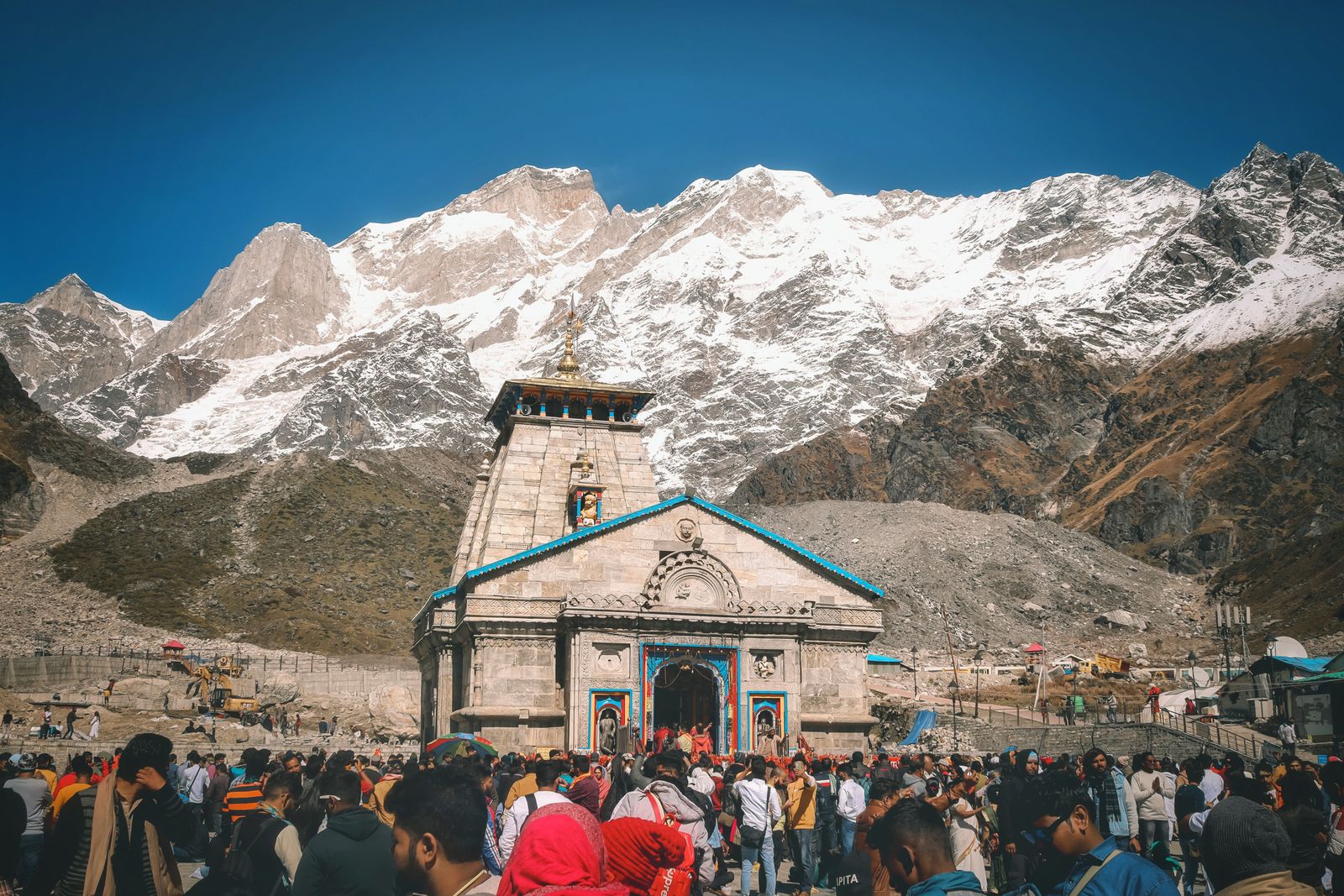
The Kedarnath Jyotirlinga
Tungnath — world's highest Shiva temple
Remote Rudranath in the meadows
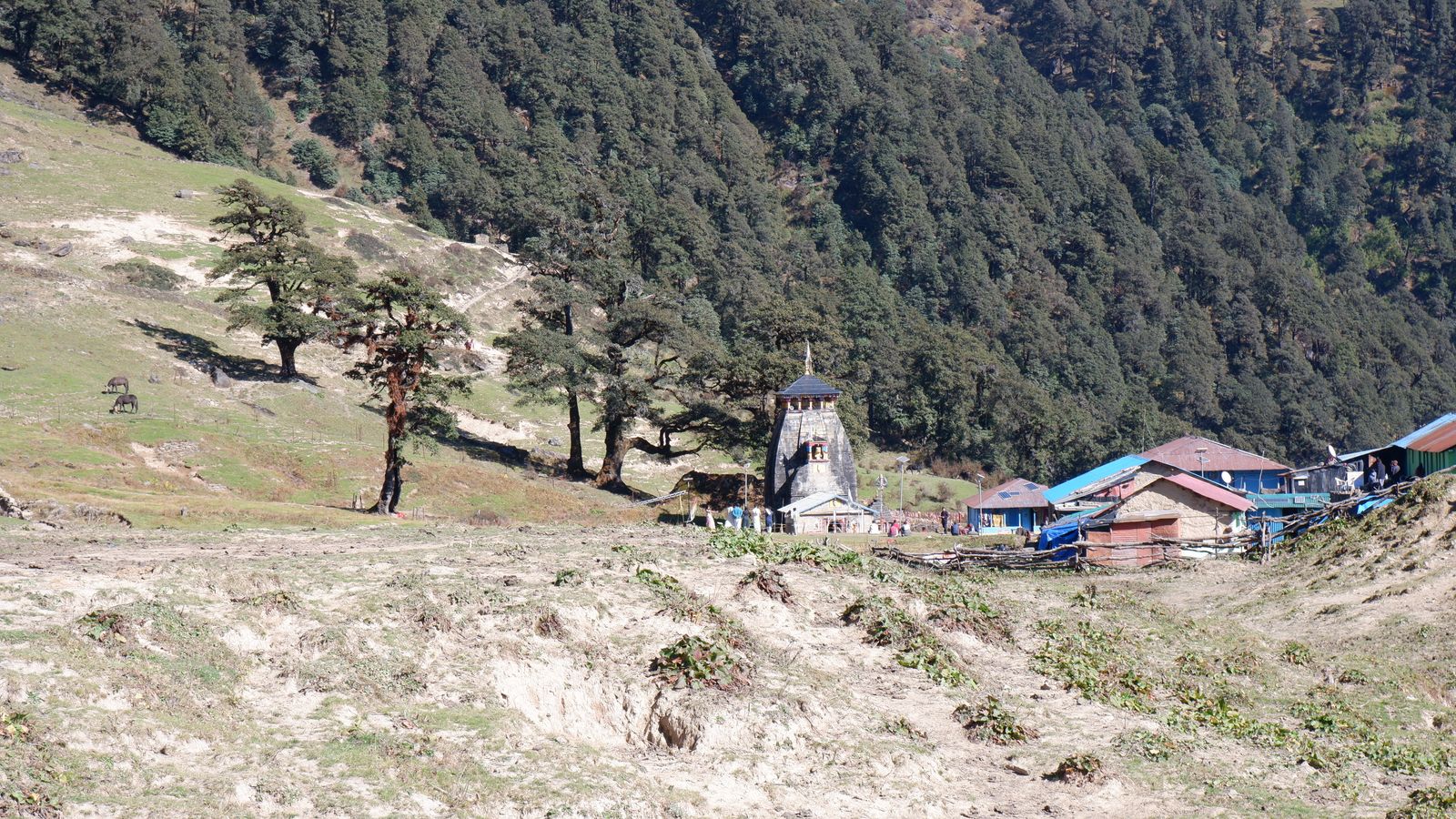
Madhyamaheshwar below Chaukhamba
Kalpeshwar in the Urgam valley
Guide, stays & support handled
Trip Gallery
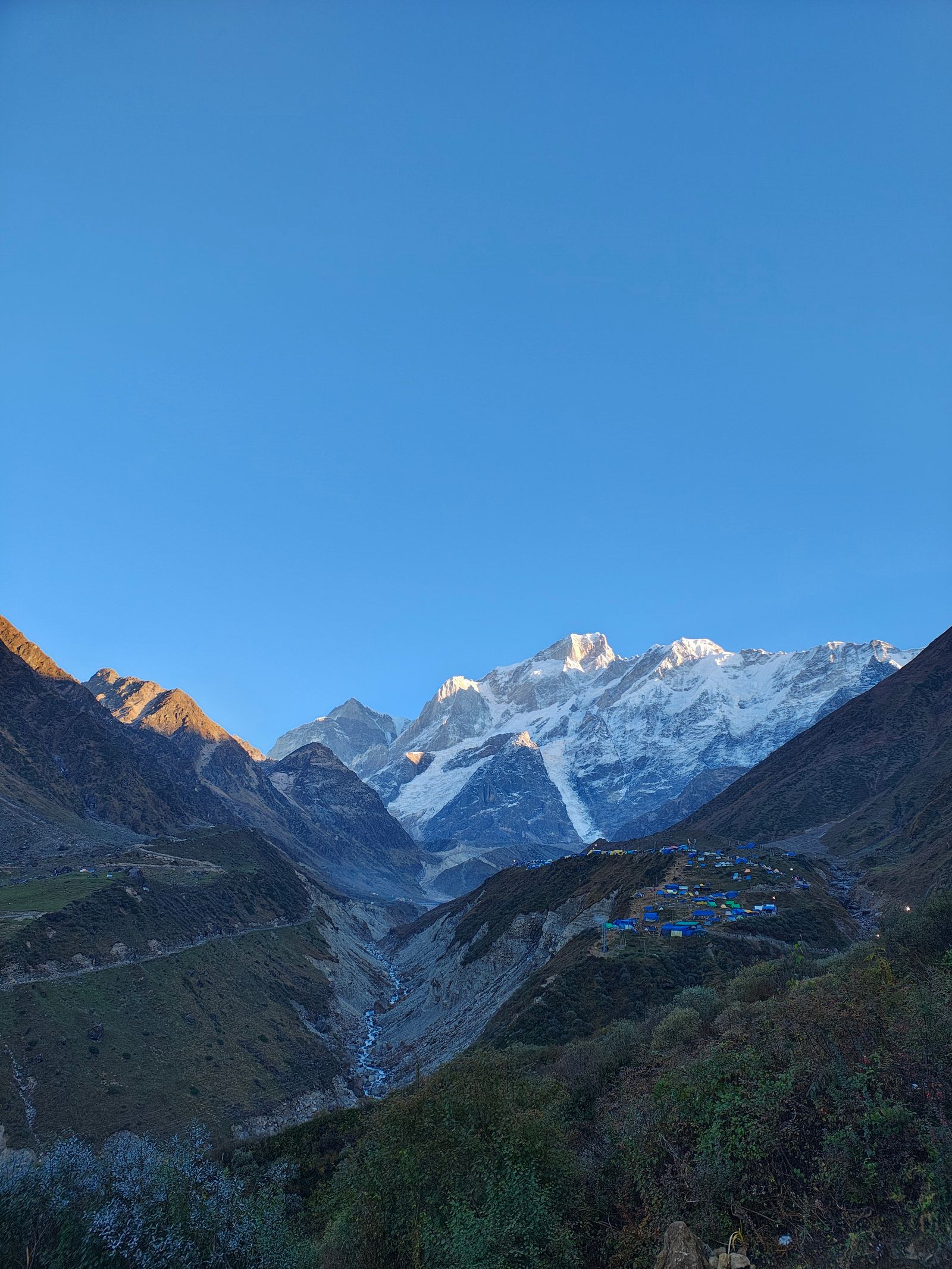
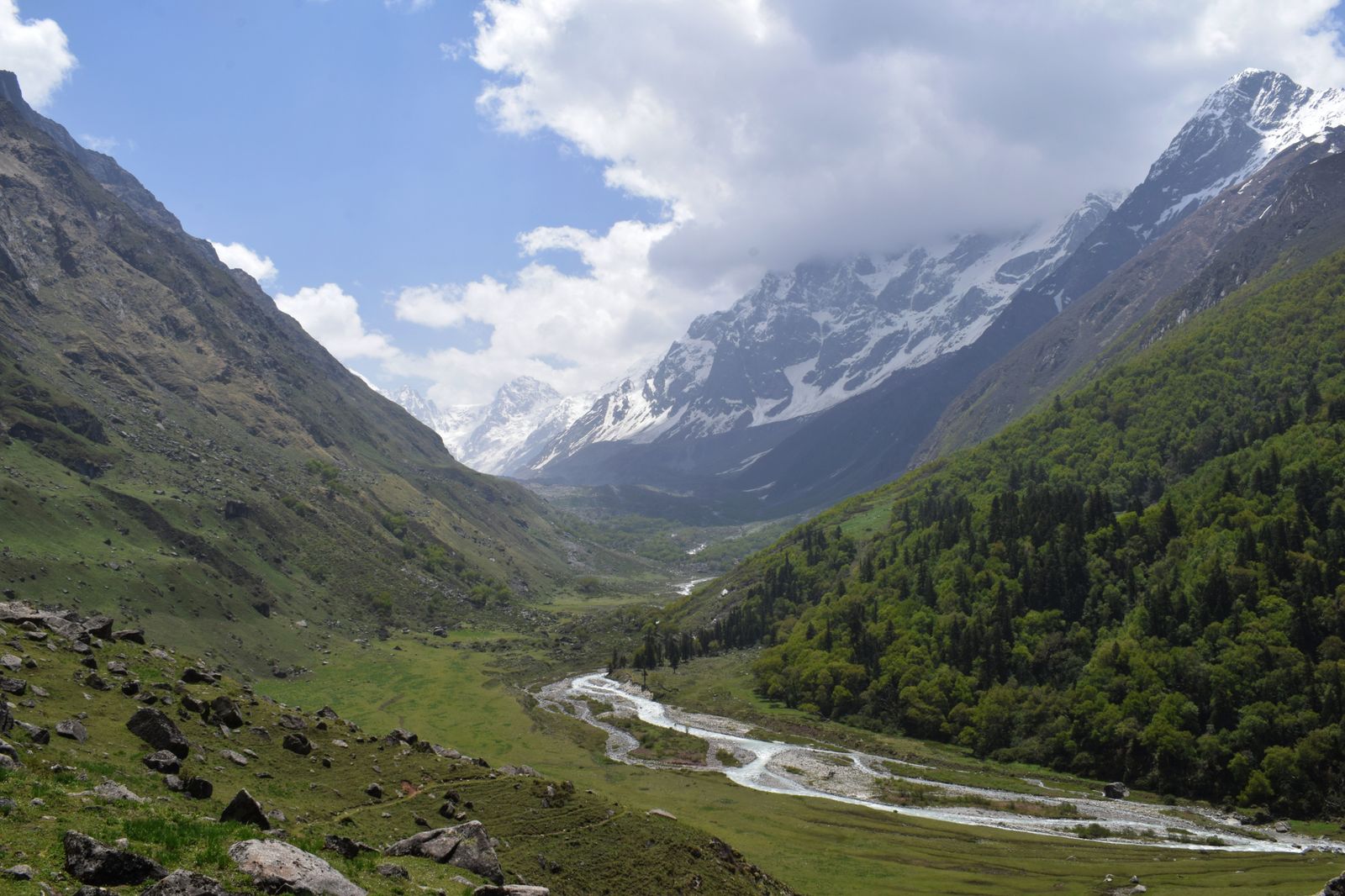
A taste of the journey
Day-by-Day Itinerary
Twelve days across the five Kedars
- Drive from Haridwar to Guptkashi.
- Overnight and briefing for the yatra ahead.
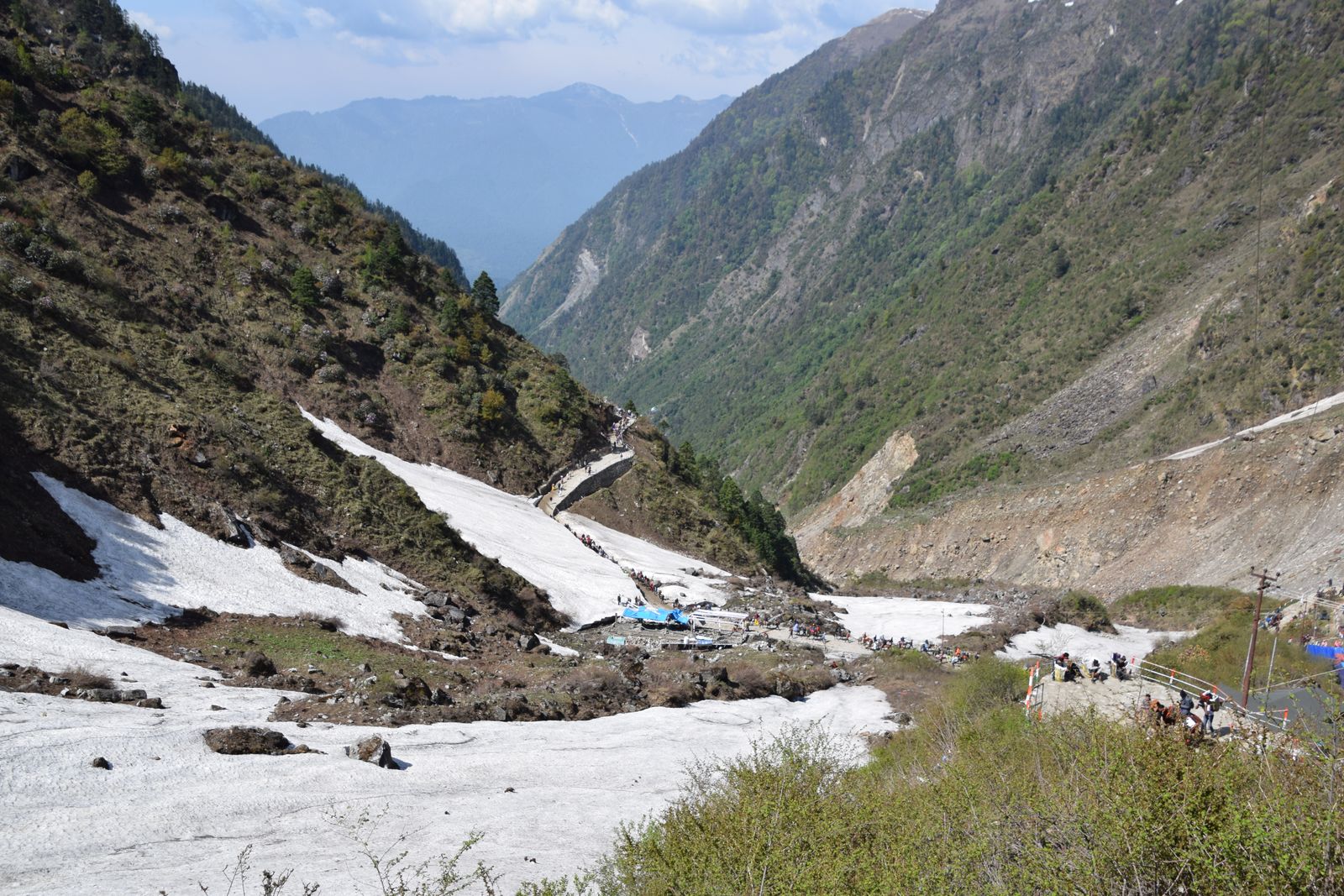
- Trek from Gaurikund to Kedarnath.
- Evening aarti; overnight near Kedarnath.
- Morning darshan, trek down and drive to Chopta.
- Overnight amid the meadows.
- Trek to Tungnath and the Chandrashila summit.
- Return to Chopta; overnight.
- Drive to Sagar village near Gopeshwar.
- Prepare for the Rudranath trek; overnight.
- Long trek through forest and meadow (bugyal) to Rudranath.
- Darshan; overnight in a camp/rest point.
- Trek out and drive to Ukhimath.
- Rest and recover; overnight.
- Drive to Ransi village.
- Short acclimatisation walk; overnight.
- Trek to Madhyamaheshwar with grand Chaukhamba views.
- Darshan; overnight nearby.
- Trek out and drive towards the Urgam valley (Kalpeshwar base).
- Overnight in Urgam.
- Short trek to Kalpeshwar for darshan.
- Drive towards Rudraprayag; overnight.
- Drive back to Haridwar.
- Trip concludes on arrival.
What's Included
Transparent pricing — no hidden surprises
- Pick-up & drop at Haridwar
- 11 nights stay in hotels, guesthouses & camps
- Daily breakfast & dinner
- All travel by private vehicle
- Trek guide & support where applicable
- Required permits (forest / inner-line as applicable)
- Driver allowance, tolls & parking
- 24x7 on-trip support
- Airfare / train fare (can be added)
- Pony, palki, porter & personal trek gear
- Entry tickets & personal expenses
- Lunches (unless specified)
- GST as applicable
- Anything not mentioned in inclusions
Things to Carry
Himalayan trekking essentials
Important Notes
Please read before booking
Permits: Forest / eco-development permits apply to areas like the Valley of Flowers and Nanda Devi Biosphere, and inner-line permits to Adi Kailash / Om Parvat. We arrange the required permits for you.
Fitness & altitude: These are moderate-to-hard high-altitude treks. Good cardio fitness, some prior trekking and gradual acclimatisation are important; we recommend carrying a doctor's fitness note.
Best time: The Valley of Flowers is best in the July–September bloom; most other treks are best May–June and September–October, when the passes are clear.
Guided & supported: Treks are guided with a support team and camping where required. Weather can change fast at altitude — carry proper trek shoes, warm layers and rain protection.
Frequently Asked Questions
Everything you need to know before you book
Kedarnath, Tungnath, Rudranath, Madhyamaheshwar and Kalpeshwar — the five Himalayan Shiva temples where different parts of Lord Shiva's bull form are believed to have appeared.
It is one of the toughest pilgrimages in the region, combining several multi-day Himalayan treks (Kedarnath, Rudranath and Madhyamaheshwar are all long climbs). A good fitness level and prior trekking are essential.
Traditionally Kedarnath, then Tungnath, Rudranath, Madhyamaheshwar and finally Kalpeshwar. This itinerary follows that sequence, which also suits the geography.
Rudranath is generally the most demanding, sitting in remote high meadows reached by a long forest-and-bugyal trek. Madhyamaheshwar is also a substantial climb.
Yes — Kalpeshwar in the Urgam valley is the only Panch Kedar accessible year-round; the others close in winter with the snow.
Our guided circuit is 12 days. Doing it unhurried with acclimatisation and the several treks genuinely needs this long — rushing it is neither safe nor enjoyable.
May–June and September–October, when most shrines are open and the trails are clear. The monsoon brings leeches, slippery trails and landslides on the higher treks.
A mix — hotels and guesthouses at road-heads like Guptkashi, Chopta and Ukhimath, and simple camps or rest points on the remote trek sections.