Kedarnath - one of the twelve Jyotirlingas of Lord Shiva and among the holiest of the Char Dham - draws lakhs of devotees into the Garhwal Himalayas every year. But a smooth yatra takes planning. This complete 2026 guide covers the best time to visit, the trek, the mistakes people make, what to pack, hidden places nearby, and how to choose the right Kedarnath yatra package.
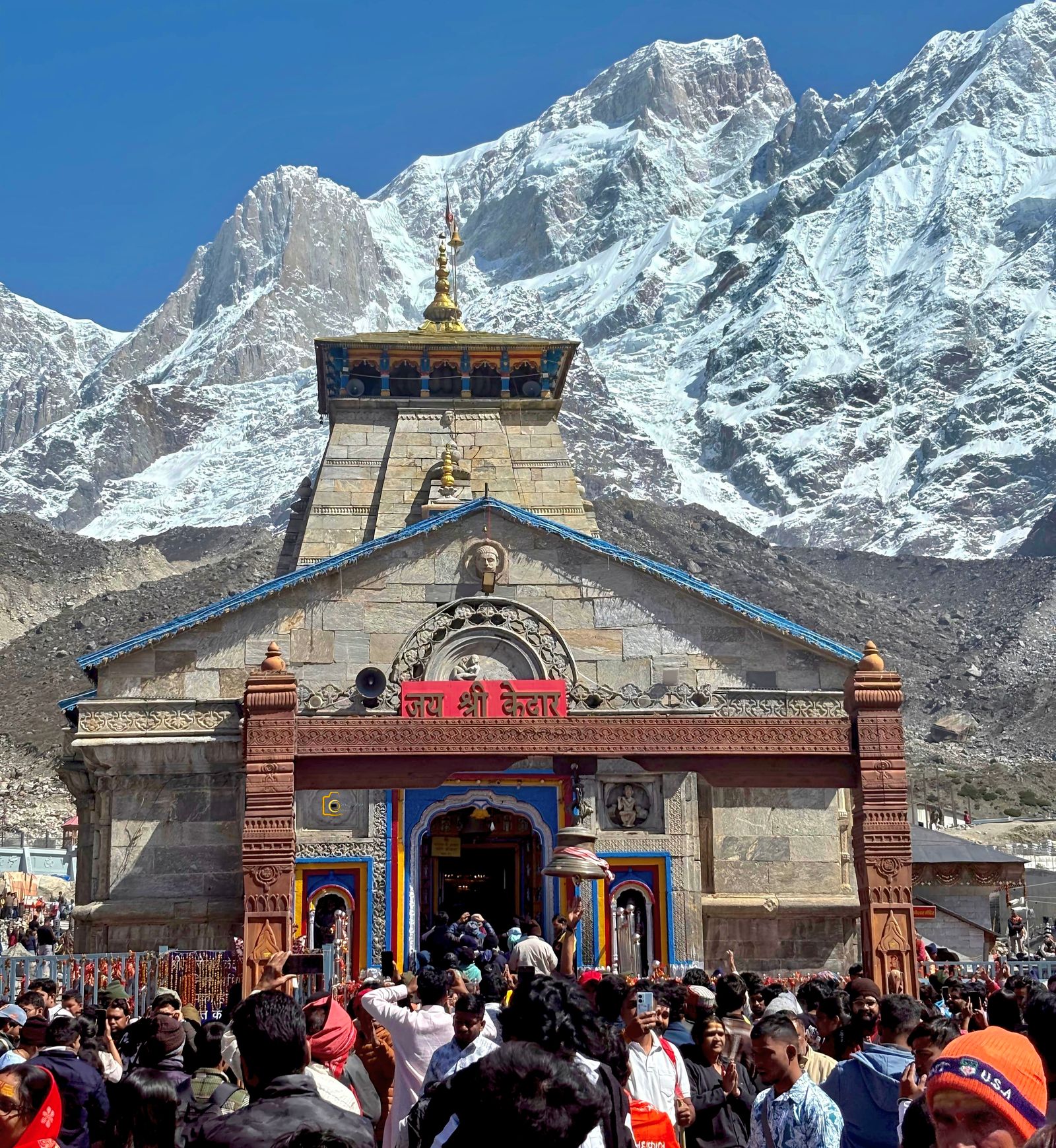
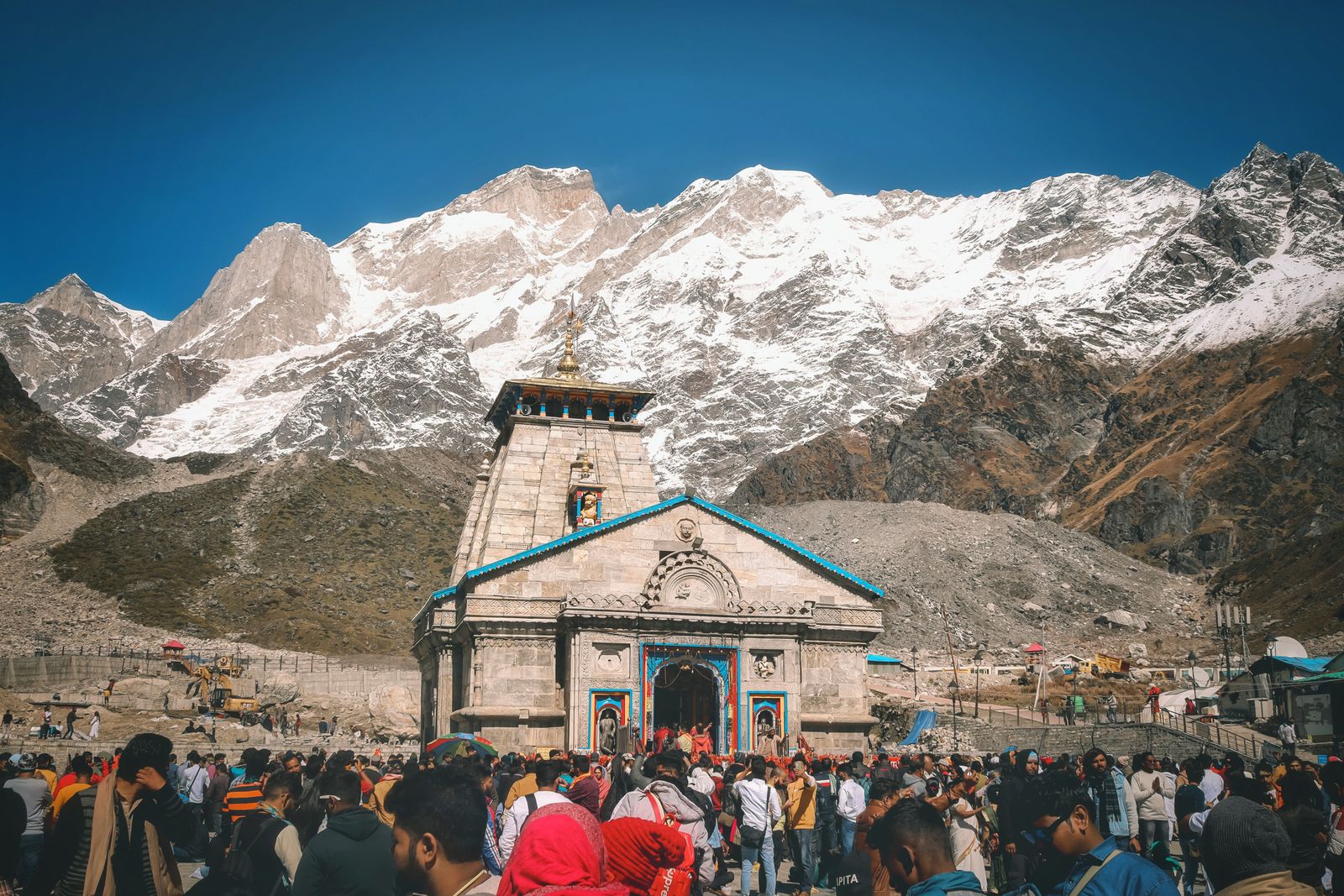
Set at about 3,583 metres beside the Mandakini river, the ancient stone temple of Kedarnath stands against a wall of snow peaks - a sight that stays with you forever. Reaching it, however, is a journey: a long Himalayan trek, unpredictable mountain weather, and a fair bit of planning. Get the timing and preparation right, and the Kedarnath Yatra becomes one of the most rewarding pilgrimages of your life. Here is everything you need to know.
Kedarnath Yatra 2026: season & current status
The Kedarnath temple opens around late April or May and closes near Diwali (usually November), when the deity is moved to its winter seat at Ukhimath. So the yatra season runs roughly from May to November. The shrine opens filled with divine energy and devotion, and the early season is especially charged.
One important reminder from this year: mountain weather can disrupt the yatra at any time. In early September 2026, heavy rain caused temporary delays and slowdowns on the route. Always check the latest weather and yatra advisories before you set out, and keep a buffer day in your plan.
A little about Kedarnath
Kedarnath is one of the twelve Jyotirlingas of Lord Shiva and the most remote of the four Char Dham shrines of Uttarakhand. Legend ties it to the Pandavas, who are said to have built the original temple to seek Shiva's forgiveness after the Mahabharata war. As the story goes, Shiva - avoiding them - took the form of a bull and dived into the ground, and the hump that surfaced here is worshipped as the Kedarnath lingam. The present stone temple, attributed to Adi Shankaracharya, has stood for over a thousand years against some of the harshest weather in the Himalayas.
Kedarnath is also the first shrine of the Panch Kedar circuit. In 2013, devastating floods struck the region, yet the temple itself survived - famously shielded by a large boulder now revered as Bhim Shila. That story of survival has only deepened the shrine's spiritual pull. Today, reaching Kedarnath feels as much an inner journey as a physical one.
The Kedarnath trek: distance & route
The trek begins at Gaurikund, the roadhead and base for the climb. The distance is officially quoted at about 16 km, but with the steady climbs and the realigned path built after 2013, many pilgrims find it feels closer to 18-22 km - so pace yourself and do not underestimate it. A key milestone on the way is the Rambara bridge, roughly the midpoint, from where the real ascent picks up.
A safety note that matters, especially in the rainy months: do not take shortcuts. The unofficial short-cut trails get extremely slippery when it rains, and every year they cause accidents. Stick to the proper, built-up trek route - it is longer but far safer, better maintained, and lined with rest points, water and food stalls.
How to reach Kedarnath (getting to Gaurikund)
The journey to the trek base at Gaurikund is a beautiful drive through the Garhwal Himalayas.
- Nearest airport: Dehradun (Jolly Grant), about 240 km from Gaurikund.
- Nearest railheads: Rishikesh and Haridwar.
- By road: From Rishikesh or Haridwar, the route runs via Devprayag, Rudraprayag, Guptkashi and Sonprayag to Gaurikund - roughly 210-230 km, and a full day's drive on winding mountain roads. From Sonprayag, a short local shuttle takes you the last few kilometres to Gaurikund, where the trek begins.
Because it is a long haul, most pilgrims break the journey with a night at Guptkashi, Phata, Sirsi or Sonprayag. As mentioned, staying closer to the base (Sonprayag, Sirsi or Phata) rather than Guptkashi saves precious hours on trek day - and remember to travel only in commercial vehicles on this route.
Best time to visit Kedarnath
There are two ideal windows for the Kedarnath Yatra - May-June and September-October - and each has its own charm.
May-June: the opening season
When the temple first opens, the weather is pleasant, the views are clear, and the journey is smooth. This is the fresh opening season, so the atmosphere is full of energy and devotion. The flip side is that these are also the most crowded months, with long queues and heavy traffic on the roads.
September-October: post-monsoon magic
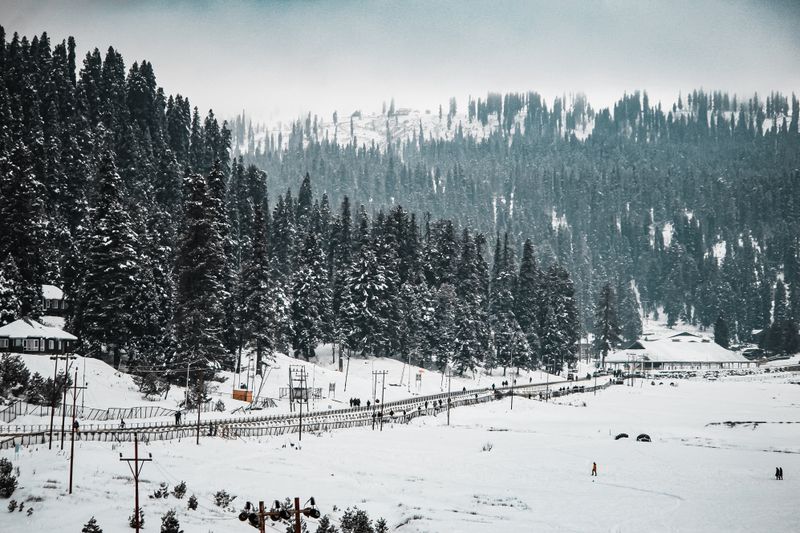
After the monsoon retreats, Kedarnath is at its most beautiful. Temperatures sit at a comfortable 5-18°C, the skies clear up, the crowds thin out, and the mountains look stunning - it is a favourite window for photography and for a peaceful, unhurried darshan.
Why avoid July-August
The peak monsoon months are best avoided. Expect heavy rainfall and a real risk of landslides, frequent road blocks and travel disruptions, poor visibility under thick cloud cover, and a high chance of the trek or darshan being paused for safety.
Why September-October is one of the best times (myth vs reality)
Many people assume September and October mean rain and cold - so they skip these months. In reality, this is one of the very best times to visit Kedarnath. Here is why:
- Pleasant weather: temperatures of around 10-18°C during the day - neither too hot nor too cold.
- No rain, no landslides: the weather is stable and dry, so the risk of landslides and road blocks drops sharply.
- Fewer crowds: fewer tourists mean a calmer, more spiritual experience.
- Easy, comfortable journey: smoother travel, less traffic and a far less stressful trip.
- Quicker darshan: shorter queues at the temple, so darshan is faster and smoother.
- Clear views: the sky is crisp, the mountains look magnificent, and photography is at its best.
- Spiritual vibes: the peaceful setting helps you connect more deeply with the divine energy of the dham.
- Better deals: affordable hotels, easier helicopter slots and travel packages are much easier to find.
May-June vs September-October at a glance
| May-June | September-October |
|---|---|
| Warmer, busier weather | Pleasant, stable weather |
| Heavy rush | Fewer crowds |
| Long queues | Quick darshan |
| Traffic & parking issues | Smooth, hassle-free trip |
Common mistakes people make on the Kedarnath Yatra
A little awareness saves a lot of trouble. These are the mistakes we see most often - avoid them and your yatra will be far smoother.
1. Booking your stay too far away, in Guptkashi
In peak season (May-June), it can take 3-4 hours just to reach Gaurikund from Guptkashi because of traffic. You then start the trek late and reach Kedarnath late, which drains your energy. Stay closer to the base instead.
2. Choosing a private vehicle instead of a commercial one
Do not use a private car as a taxi for this route - it is not permitted. Always travel in a commercial (registered) vehicle. If there is a check on the way, a private vehicle used commercially can be seized, and your journey can turn into a bad experience. A reputable operator only uses commercial vehicles.
3. Starting the trek too late
Aim to start from Gaurikund as early as 5:00 AM (6:00 AM at the latest). To do that, plan your stay at Phata, Sirsi or Sonprayag and check out early so you reach the base in time.
4. Depending only on the helicopter
Helicopter services are wonderful, but mountain weather changes fast and flights can be cancelled at short notice. Always be mentally and physically prepared to complete the journey by trek, pony or palki if needed.
5. Poor planning and preparation
Not checking the weather, packing the wrong things, doing no physical preparation, and carrying too little cash can all spoil your yatra. A bit of fitness and the right gear make a huge difference.
How to plan a smooth Kedarnath Yatra
Put the tips above together and your plan looks like this: stay the night at Phata, Sirsi or Sonprayag (close to the base), travel only in commercial vehicles, and start the trek by 5-6 AM. Carry enough cash, since digital payments are unreliable higher up. Complete your yatra registration in advance (it is mandatory for the Char Dham), and if you plan to fly, book your helicopter slot early - but keep the trek as a backup. If all of this feels like a lot, a well-run Kedarnath yatra package handles the stays, permits, transfers and timings for you.
🎒 Planning this trip?
Kedarnath Yatra Kedarnath Helicopter Yatra 2026 Kedarnath and Vasuki Tal Trek All Uttarakhand trips →Kedarnath by helicopter
If you are short on time or cannot manage the long trek, the helicopter yatra is a wonderful option. Choppers operate from three helipads - Phata, Sirsi and Guptkashi - to Kedarnath, turning hours of climbing into a flight of a few minutes with spectacular aerial views of the peaks. Slots are limited and in very high demand in peak season, so book early. Just remember that flights depend entirely on the weather and can be cancelled at short notice, so always keep a trek or pony backup in mind. Our Kedarnath helicopter yatra handles the booking and timings for you.
Pony, palki, porter & doli options
You do not have to walk every step. If the climb feels too much, several options are available at Gaurikund:
- Pony (ghoda): the most popular alternative - a pony carries you most of the way up and down.
- Palki (palanquin): a seat carried by four porters, ideal for elders who cannot ride a pony.
- Pitthu / porter: a porter can carry small children or your backpack for you.
- Doli: a basket-style carrier for those who need extra support.
Rates vary with the season and demand, and are best paid in cash. These are usually hired on the spot at Gaurikund, but in peak season they go fast, so arrive early. If you book a package with us, we can help arrange them in advance.
Registration & permits
Char Dham yatra registration is mandatory for Kedarnath. You can register online through the official Uttarakhand tourism portal, or at the registration counters en route; each pilgrim needs a valid photo ID. Carry your registration and ID throughout the yatra. If you book a package with us, we take care of the registration so you skip the queues.
Get trek-fit: physical preparation
The single biggest factor in enjoying Kedarnath is your fitness. The 16 km-plus climb gains serious altitude, and even regular walkers feel it. Start preparing at least 3-4 weeks before your yatra:
- Build stamina: walk or jog 4-5 km daily, and climb stairs to ready your legs and lungs.
- Add cardio: cycling, skipping or brisk walking a few times a week improves endurance.
- Break in your shoes: never wear brand-new trekking shoes on the yatra - use them beforehand to avoid blisters.
- Practise with a light load: walk with the small backpack you will carry so your body gets used to it.
- Hydrate and eat light: in the days before, drink plenty of water and go easy on heavy, oily food.
On the trek itself, go slow, breathe steadily and take short breaks - it is not a race. If you have any heart, breathing or blood-pressure condition, consult your doctor before planning the climb.
What to pack for Kedarnath
Be prepared and travel worry-free. Carry these essentials for a safe and comfortable yatra:
🏕️ Kedarnath packing checklist
- Energy bars, fruits & chocolate
- Good trekking shoes
- Raincoat / poncho
- Backpack
- Sunglasses
- Trekking stick
- Basic medicines
- Warm clothes & a jacket
- Water bottle (hot & cold)
- Power bank & charger
- Enough cash
- Valid photo ID
A sample Kedarnath itinerary
Here is how a comfortable, trek-based Kedarnath trip usually flows:
- Day 1: Haridwar or Rishikesh to Guptkashi/Sonprayag - a scenic full-day drive via Devprayag and Rudraprayag. Overnight stay near the base.
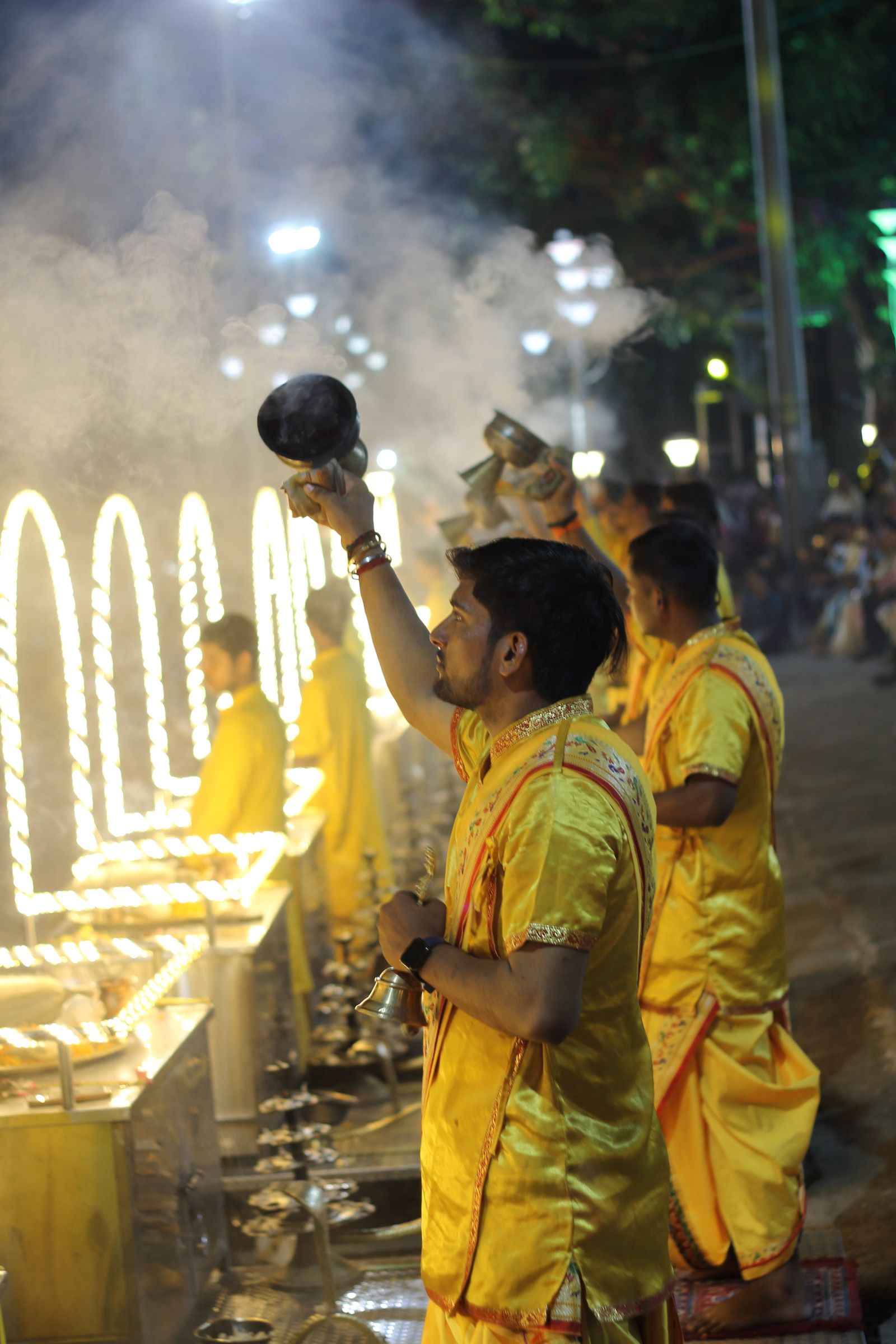
- Day 2: Early drive to Sonprayag, shuttle to Gaurikund, and begin the trek (or take the helicopter). Reach Kedarnath, check in, and attend the evening aarti. Overnight at Kedarnath.
- Day 3: Early-morning darshan and the Bhairavnath temple, then trek back to Gaurikund and drive to Guptkashi/Sonprayag. Overnight.
- Day 4: Drive back to Haridwar/Rishikesh, with a stop at Dhari Devi or a river sangam on the way.
Add a day if you want to include the Chopta-Tungnath side trip, or extend it into a Do Dham (Kedarnath + Badrinath) yatra - we tailor the length to your plan.
Hidden gems & sightseeing near Kedarnath
If you have an extra day or two, the region around Kedarnath is full of beautiful, lesser-known places - most within 50-60 km. Here are some worth exploring:
- Bhairavnath Temple - the guardian of Kedarnath Dham, with panoramic valley views (about 500 m from the temple).
- Chorabari (Gandhi) Glacier - the source of the Mandakini and a breathtaking glacier view (about 5 km trek from Kedarnath).
- Vasuki Tal - a high-altitude glacial lake with crystal-clear water and stunning reflections (about 8 km trek from Kedarnath). See our Kedarnath & Vasuki Tal trek.
- Triyuginarayan Temple - believed to be the divine wedding place of Lord Shiva and Goddess Parvati (about 12 km from Sonprayag).
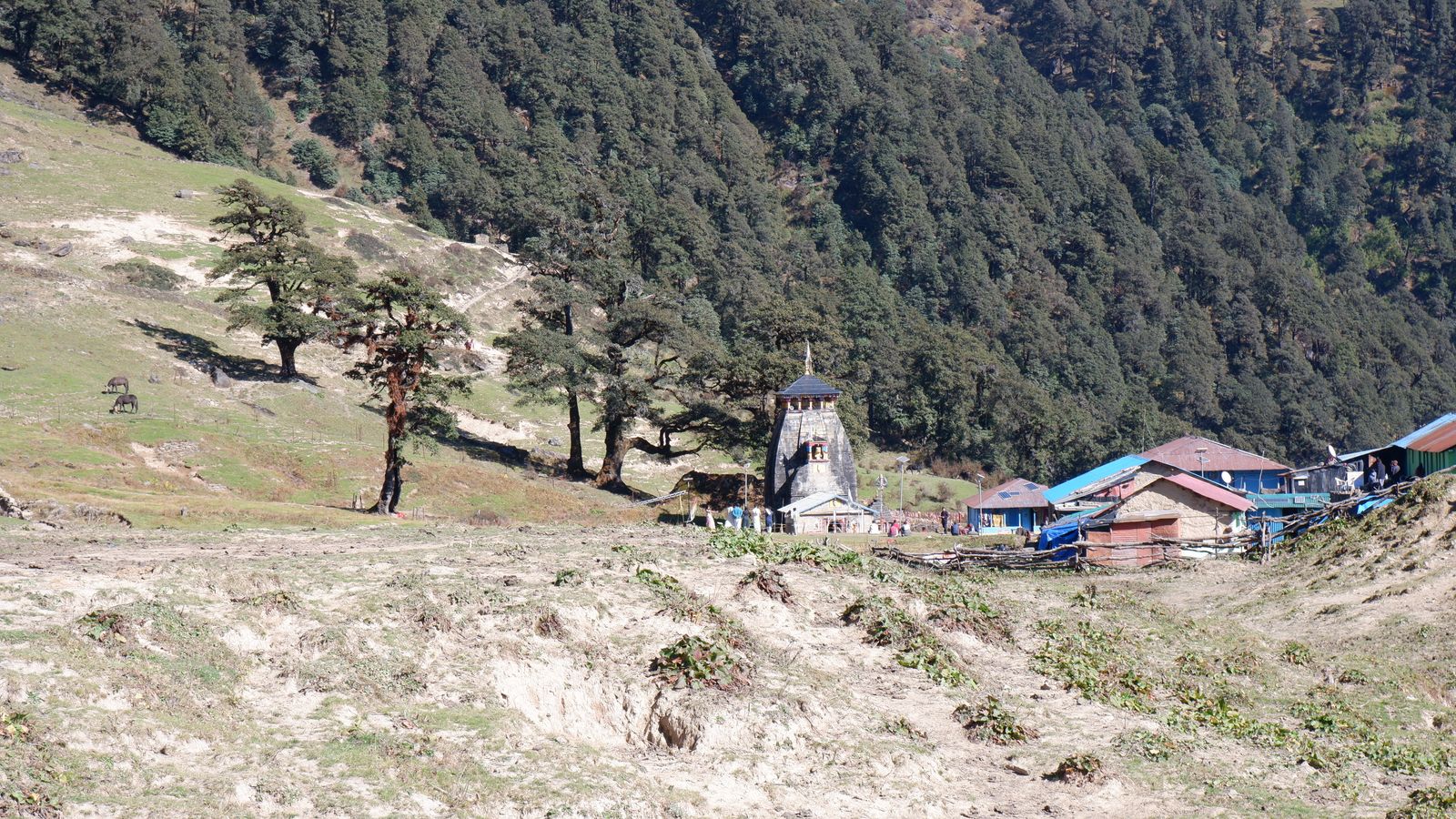
- Deoria Tal - a serene lake ringed by mountains, perfect for nature lovers (near the Chopta route).
- Tungnath Temple & Chandrashila Peak - the world's highest Shiva temple and a summit with 360° Himalayan views, on the beautiful Chopta route. Explore our Tungnath-Chandrashila trek and the Chopta, Tungnath & Deoriatal trek.
- Kalimath Temple - an ancient temple to Goddess Kali, rich in mythology (about 12 km from Guptkashi).
- Ardhanareshwar Temple, Guptkashi - a unique half-Shiva, half-Parvati idol; a must-visit ancient temple in Guptkashi.
- Ukhimath - the winter seat of the Kedarnath deity, steeped in culture and devotion.
- Gaurikund Hot Spring - a natural hot-water spring at the trek base, believed to be blessed by Goddess Parvati.
- Dhari Devi Temple - the sacred shrine of Maa Dhari Devi, the protector goddess of Uttarakhand (near Rudraprayag).
- Rudraprayag & Devprayag Sangams - the holy confluences where the Alaknanda meets the Mandakini, and then the Bhagirathi - scenic and spiritual stops on the drive.
Take it slow, respect the mountains, start early and stick to the built trek - Kedarnath rewards the well-prepared pilgrim with a darshan you will never forget. Har Har Mahadev!
Quick safety & practical tips
- Acclimatise and go slow - the altitude is real; walk at your pace and take breaks.
- Carry cash - mobile networks and UPI are unreliable on the trek.
- Start early, finish before dark - the weather is calmest in the morning.
- Pony, palki & porters are available for those who cannot trek the full distance.
- Keep a buffer day for weather, especially if you are flying by helicopter.
Frequently asked questions
What is the Kedarnath trek distance?
The trek from Gaurikund is officially about 16 km, though with the steady climbs it can feel closer to 18-22 km. Most pilgrims take 6-9 hours one way, depending on pace.
What is the best time for the Kedarnath Yatra?
May-June (the opening season) and September-October (post-monsoon) are the two best windows. Avoid the peak monsoon of July-August because of the landslide and disruption risk.
Is registration mandatory for Kedarnath?
Yes - Char Dham yatra registration is compulsory. Register online or at the counters, and carry a valid photo ID.
How much does a Kedarnath yatra package cost?
It depends on the duration, hotel category, and whether you trek or fly. A trek-based package is the most economical; a helicopter package costs more but saves a day of climbing. Share your plan and we will send a custom quote.
Can senior citizens do the Kedarnath Yatra?
Yes - with ponies, palki, porters and the helicopter option, seniors regularly complete the yatra. Go slow, keep a buffer day, and consult a doctor if there are any health concerns.
Kedarnath Yatra packages with Yatraved
From a classic trek-based yatra to a time-saving helicopter darshan, we plan your Kedarnath trip end to end - registration, verified stays near the base, commercial transfers and smart timings. See our Kedarnath Yatra package, skip the trek with the Kedarnath helicopter yatra, or combine all four shrines with the Char Dham Yatra. Browse all our Uttarakhand trips, or tell us your dates and group size for a tailor-made quote within 24 hours. Not everyone gives you the real experience and genuine care that we do - that is the Yatraved promise.