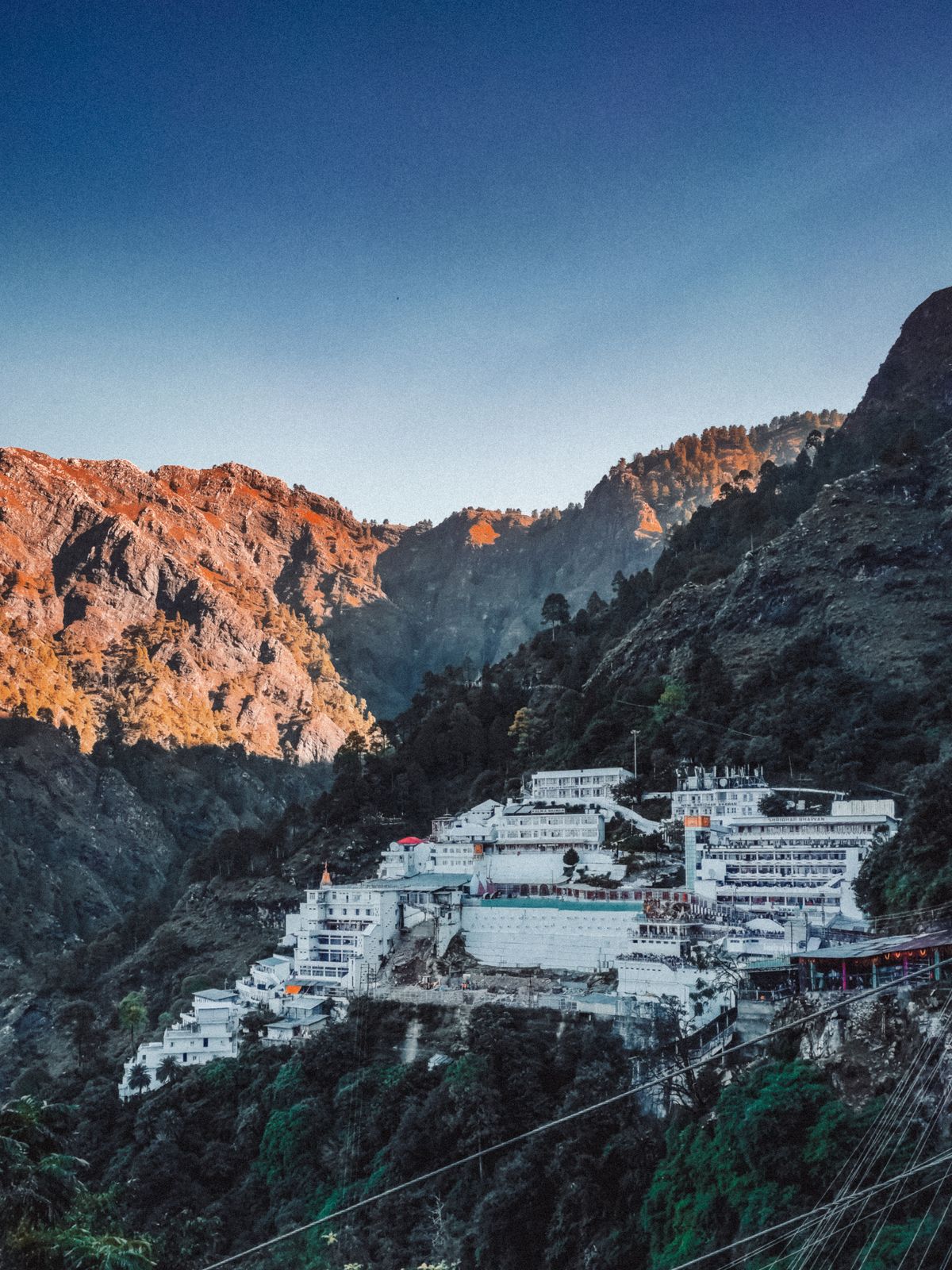
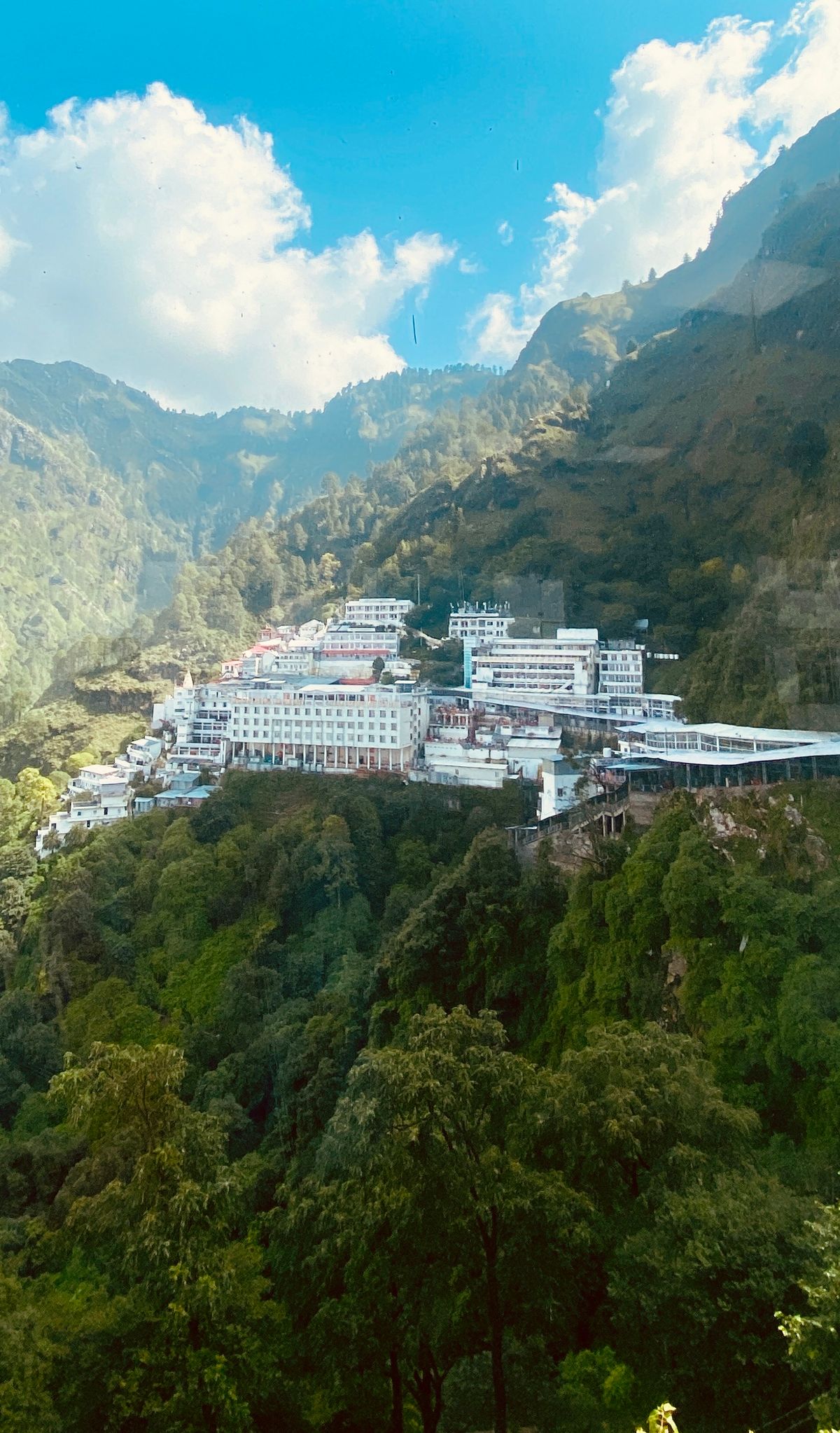
Planning your Vaishno Devi Yatra? A little preparation goes a long way on this 13 km climb up the Trikuta hills. Here are 12 practical things to know before you visit - from the mandatory RFID registration and the trek routes to transport options, a packing checklist, aarti timings and safety tips - so your darshan is smooth and blessed.
The Vaishno Devi Yatra is one of India's most beloved pilgrimages - a climb up the Trikuta hills to the holy cave shrine of Mata Vaishno Devi, near Katra in Jammu & Kashmir. Lakhs of devotees make it every year. Whether it is your first time or a return visit, these 12 tips will help you plan a comfortable, safe and joyful yatra.
1. How to reach: Delhi to Katra by train
The base town for the yatra is Katra (Shri Mata Vaishno Devi Katra / SVDK station). The easiest way from Delhi is by train - if you take the Vande Bharat Express, it takes around 8 hours to Katra. You can also fly to Jammu and drive up. Tip: the train journey is long, so carry a few games like chess, UNO or ludo and make the ride fun with family and friends.
2. Yatra registration is mandatory (and free)
Every yatri needs a yatra registration before starting the climb - it is free and quick. You can register online in advance, or at the registration counter in Katra. After registering you receive an RFID card, which is used to track pilgrims for safety along the route.
3. Wear your RFID card throughout the trek
Keep the RFID card on you for the entire trek - it is scanned at points along the way and helps with safety and crowd tracking. Also carry a valid government photo ID, which you may need at registration and checkpoints.
4. Pack smart - take only a small backpack
You will be walking for hours, so travel light. Wear comfortable shoes, carry a reusable water bottle, a light raincoat or poncho, a power bank, and basic medicines like Volini/Iodex for aches, plus any personal medication. Take only a small backpack - you can leave heavy luggage at your Katra hotel or the cloakroom.
5. The trek: distance, time & route sections
The trek from Katra to the Bhawan is about 13 km and takes roughly 6-8 hours depending on your pace. The shrine sits at about 1,585 metres. Here is how the route breaks down:
| Section | Distance |
|---|---|
| Banganga → Charan Paduka | 1.5 km |
| Charan Paduka → Ardhkuwari | 1.5 km |
| Ardhkuwari → Himkoti | 2.5 km |
| Himkoti → Sanjichhat | 3 km |
| Sanjichhat → Bhawan | 3.5 km |
Stay hydrated, walk at your own pace, and don't hesitate to take breaks - the journey is part of the experience.
6. Which route should you choose?
There are a few paths up: the normal walking path, a shorter/alternate path, and stairs. In our experience, the normal walking path is more comfortable than long stretches of stairs, which can be tiring - especially on the way up. Follow the signs and pick what suits your fitness.
7. Transport options if you don't want to walk
The climb is very doable on foot, but there are plenty of options if you need them:
- Walk: the most common way - enjoy the scenic trek at your own pace.
- Pony: a comfortable option to save your energy.
- Palki (palanquin): traditional palanquin carried by porters.
- Battery car: eco-friendly and convenient on the newer track (advance booking recommended).
- Helicopter: the fastest way - fly from Katra to Sanjichhat, close to the Bhawan.
If you want the helicopter option handled for you, see our Vaishno Devi helicopter package.
8. Consider night trekking
Night trekking is a great option - the weather is cooler and the crowd is usually lighter, which makes the climb more comfortable. The path is well-lit and busy through the night, so it feels safe.
🎒 Planning this trip?
Vaishno Devi Yatra by Helicopter Vaishno Devi Yatra Vaishno Devi & Shivkhori Yatra All Kashmir trips →9. Mobile network & connectivity
Heads up: many prepaid mobile connections from outside Jammu & Kashmir may not work properly in the region. If you need connectivity, buy a local SIM after reaching Katra (you can also rent one). Before your trip, download offline maps and save important contacts and screenshots so you are covered even without signal.
10. Carry cash - UPI often won't work
Mobile internet can be patchy on the route, so UPI and online payments may not work. Carry enough cash for ponies, food, offerings and the ropeway.
11. Don't skip Bhairavnath Temple
After the Vaishno Devi darshan, the yatra is traditionally completed by visiting the Bhairavnath (Bhairon) temple, about 2.5 km further up. You can reach it by stairs or the ropeway - after a long climb, many people prefer the ropeway (around ₹100 per person) as the stairs can be hectic. A langar (free community meal) is available, and the mountain views from the top are absolutely worth it.
12. Weather, safety & aarti timings
- Weather: even in summer the nights can be cold, so carry a light jacket. July can be hot and humid - stay hydrated.
- Monsoon caution: heavy rain can pause the yatra for safety (for example, 31 August 2026 saw heavy rain and the yatra was halted). Carry a raincoat/poncho, umbrella and waterproof trekking shoes, and always keep basic medicines.
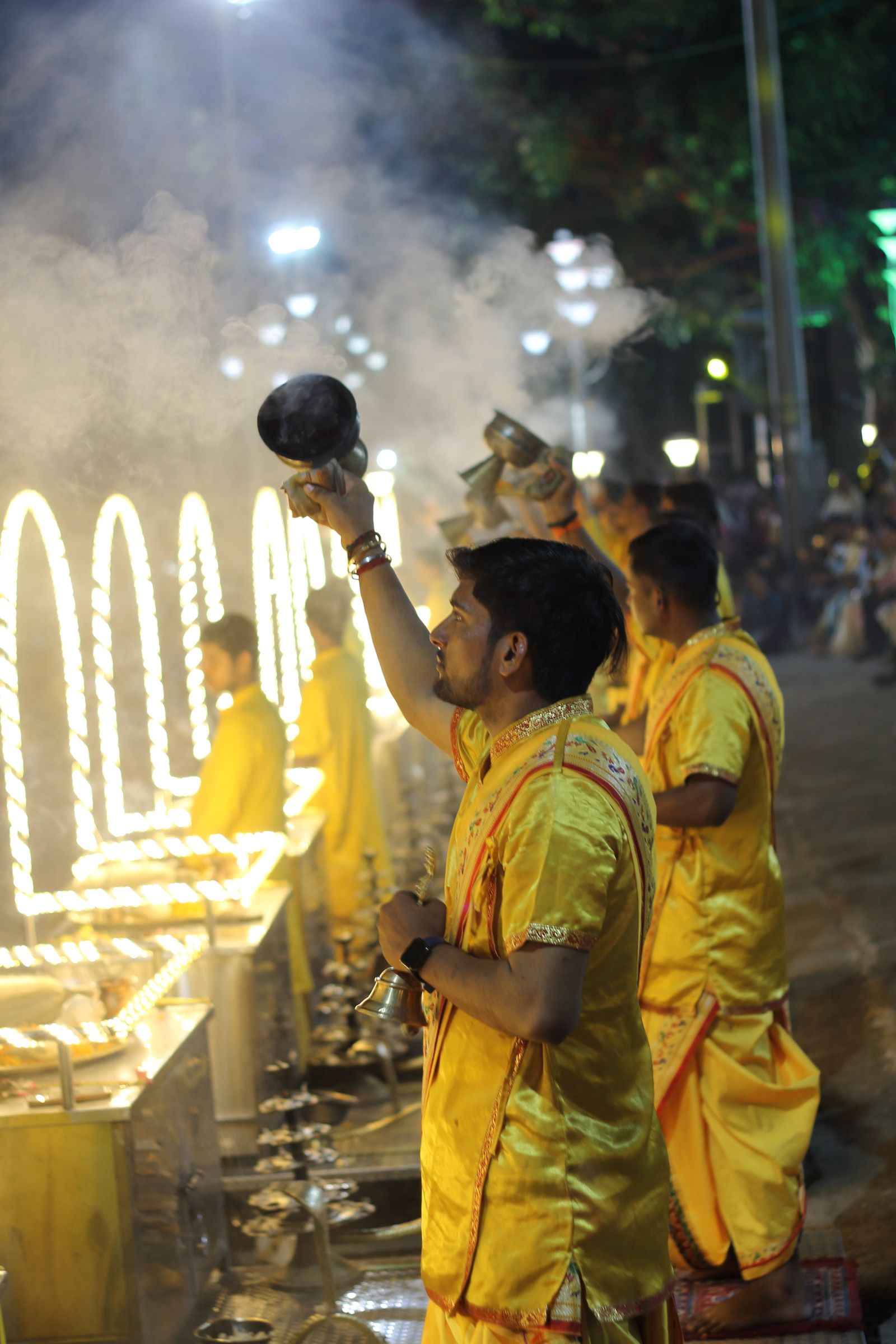
- Aarti: the evening aarti at the Bhawan starts at 6 PM. Make sure you are in the queue before 5:30 PM - after that, entry to the aarti queue is closed. Darshan is generally paused during the aarti, so it helps to plan around the 6 PM-9 PM window.
Save this checklist
📋 Vaishno Devi packing checklist
- Yatra registration slip
- RFID card
- Government photo ID
- Comfortable shoes
- Reusable water bottle
- Light jacket
- Small backpack
- Power bank
- Cash (UPI may not work)
- Medicines (Volini/Iodex)
- Raincoat / poncho / umbrella
- Offline maps & saved contacts
Best time to visit & is it family-friendly?
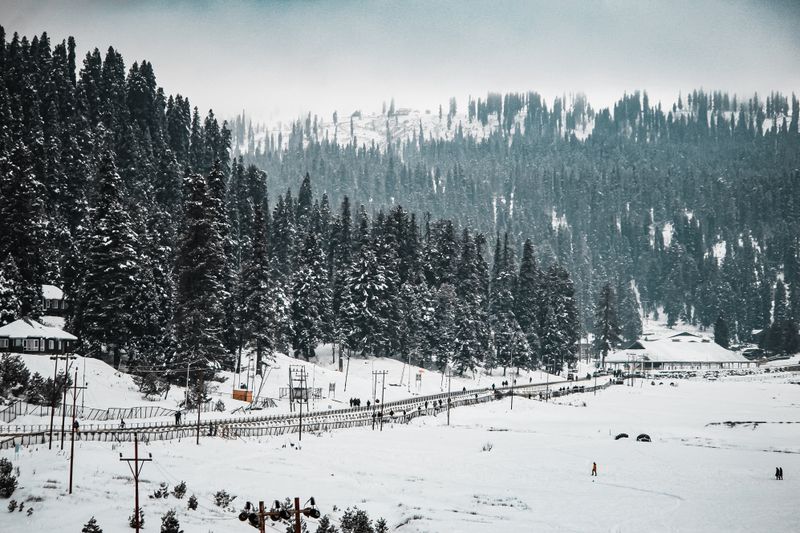
Vaishno Devi can be visited all year round, and it is an easy pilgrimage to do with family - the paved path, transport options and 24x7 facilities make it manageable for kids and seniors alike (the shrine is at about 1,585 m). Spring and autumn are pleasant; Navratri is the most vibrant but very crowded; winters are cold with occasional snow near the top.
Budget tip & a bonus: Shivkhori
If your budget is tight, book a room at the Shrine Board's Niharika Bhawan in advance - ideally 2-3 weeks before your yatra. And if you can stay a day longer, add a trip to Shivkhori - a sacred cave shrine with a narrow passage that is a memorable experience. One thing to watch at both Vaishno Devi and Shivkhori: be alert around the monkeys, and don't leave food or prasad out in the open.
Take it slow, keep the RFID card on, carry cash and a poncho, and enjoy every step - the climb itself is part of the blessing. Jai Mata Di!
Frequently asked questions
What is the Vaishno Devi trek distance?
About 13 km one way from Katra to the Bhawan, taking roughly 6-8 hours on foot depending on your pace.
Is registration compulsory?
Yes - a free yatra registration and RFID card are mandatory. Register online or at the Katra counter, and wear the RFID card throughout.
What are the transport options?
Walk, pony, palki, battery car (advance booking) or helicopter from Katra to Sanjichhat.
What is the best time to visit Vaishno Devi?
It is open year-round. October to March is pleasant; Navratri is the most vibrant but crowded; monsoon can occasionally halt the yatra due to rain.
Plan your Vaishno Devi Yatra with Yatraved
Let us handle the registration, stays and transfers so you can focus on darshan. See our Vaishno Devi Yatra, the helicopter yatra, or pair it with Shivkhori. For more, read our complete Vaishno Devi guide and our Navratri yatra tips. Tell us your dates for a free quote in 24 hours.