Almost every Meghalaya trip follows the same line: Shillong, Cherrapunji, Mawlynnong, Dawki. Very few travellers ever hear the name Krem Chympe, and even fewer stand inside it. It is a long river cave deep in the Jaintia Hills, reached only on foot, only with a local guide, and only in the right season. This guide explains exactly how to get there, what the day looks like from start to finish, what it costs, and who should stay away.
If you want one day in Meghalaya that feels nothing like a sightseeing tour, this is it. But it is a long, demanding day, and going unprepared is genuinely risky. So read the warnings as carefully as the directions.
What is Krem Chympe?
"Krem" means cave in the Khasi language, and Meghalaya has hundreds of them. The state sits on soft limestone, and over thousands of years underground rivers have cut some of the longest cave systems in Asia through it. Krem Chympe, in the East Jaintia Hills, is counted among the longest caves in India, with over 10 km of surveyed passage.
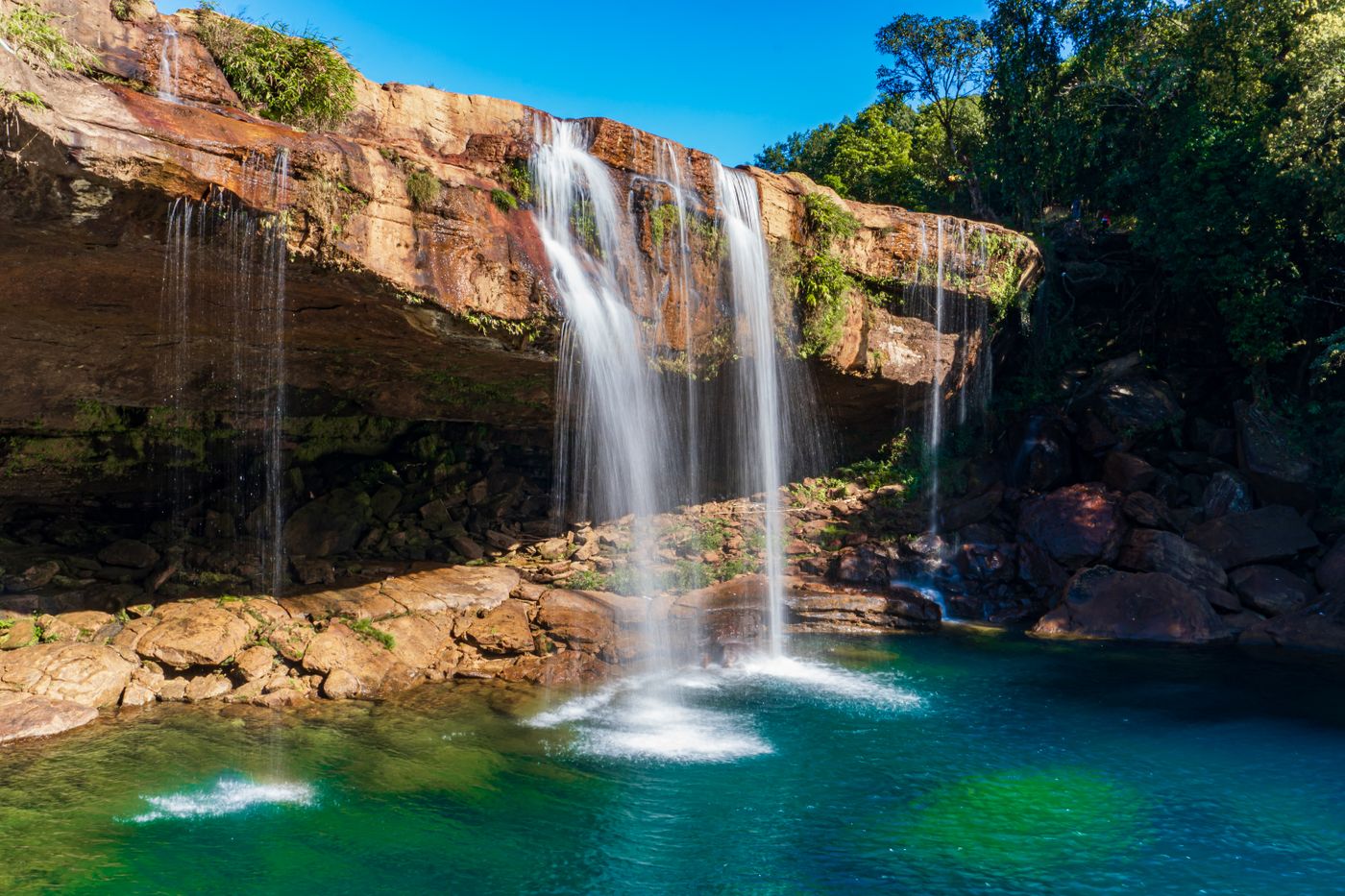
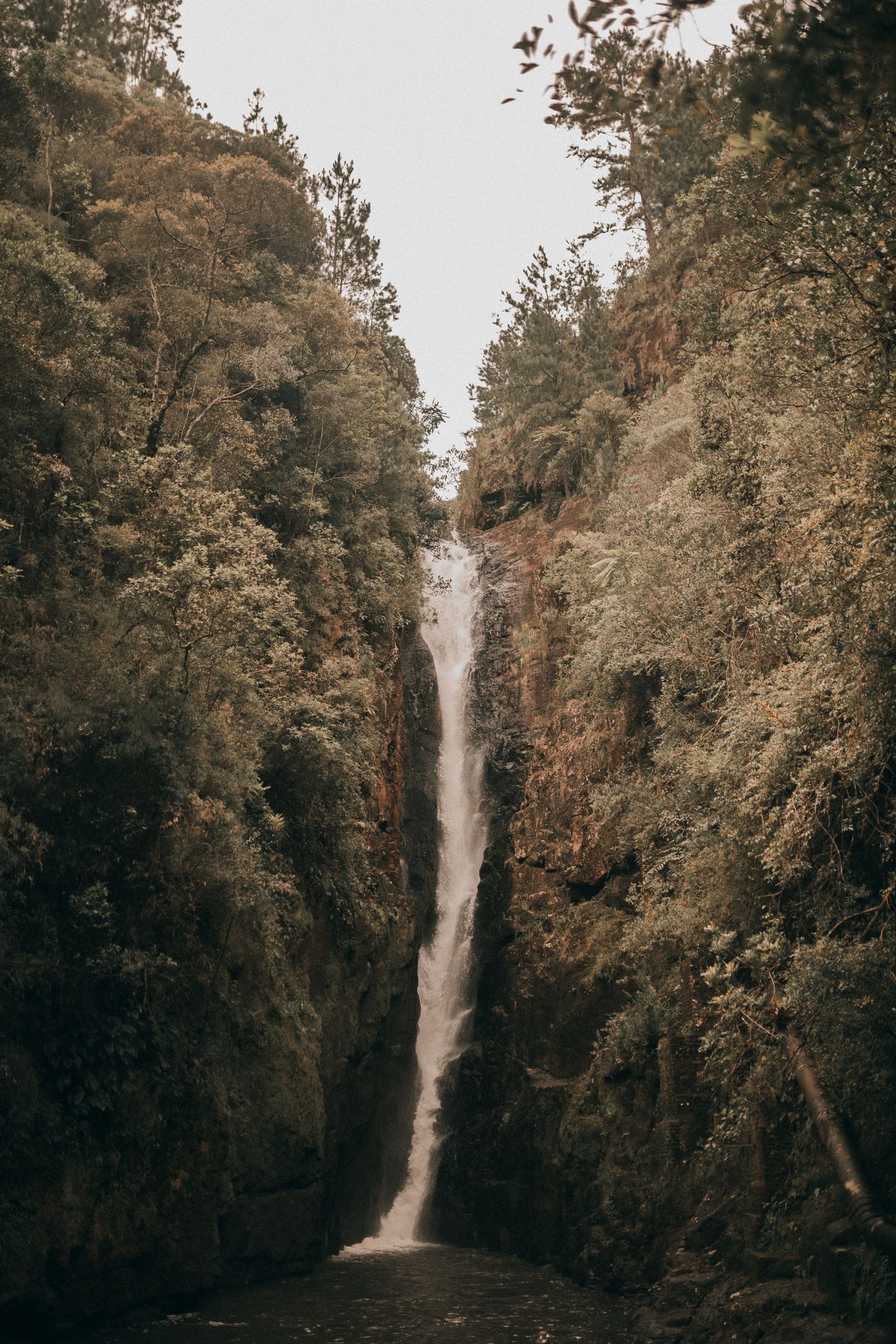
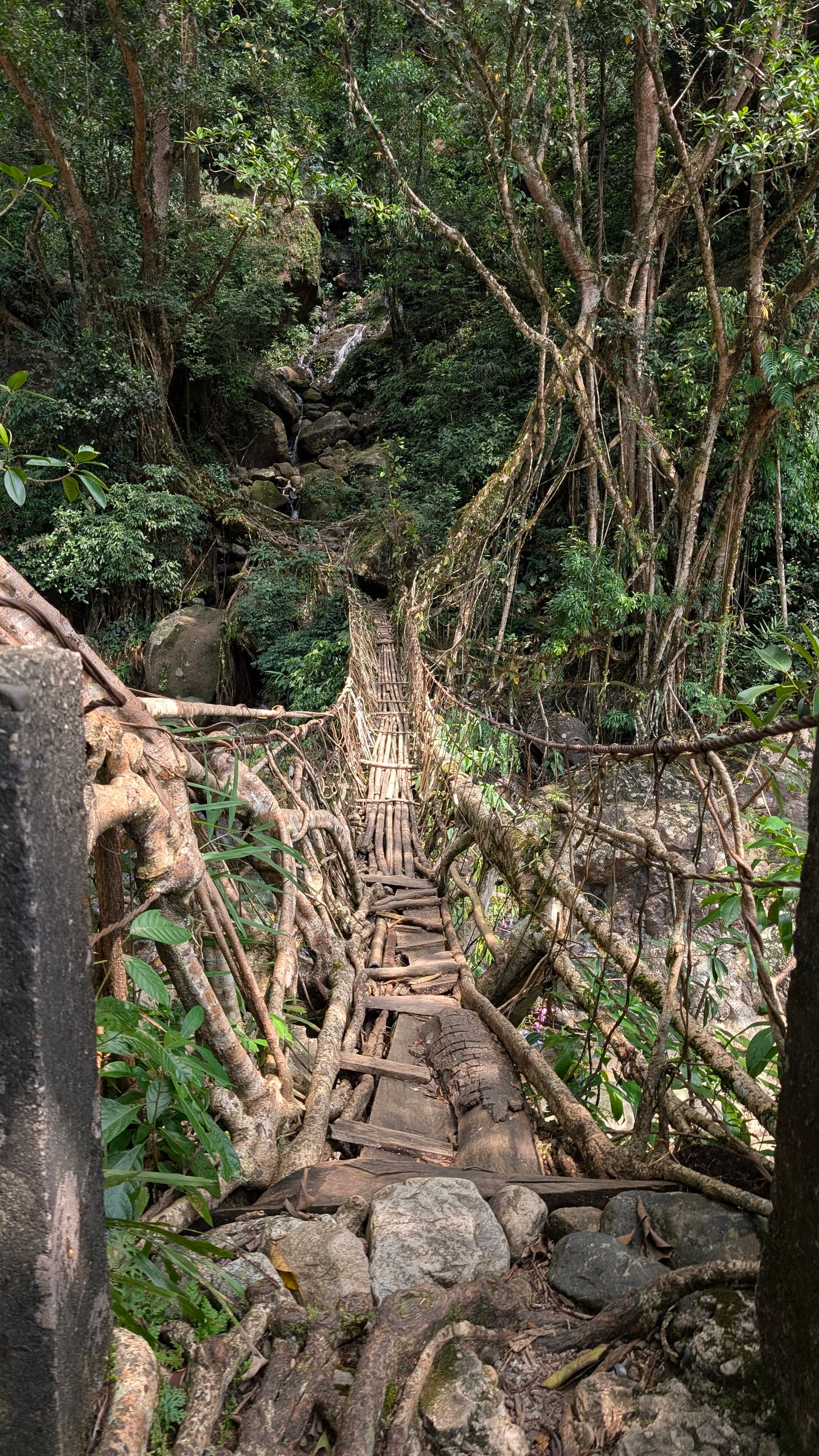
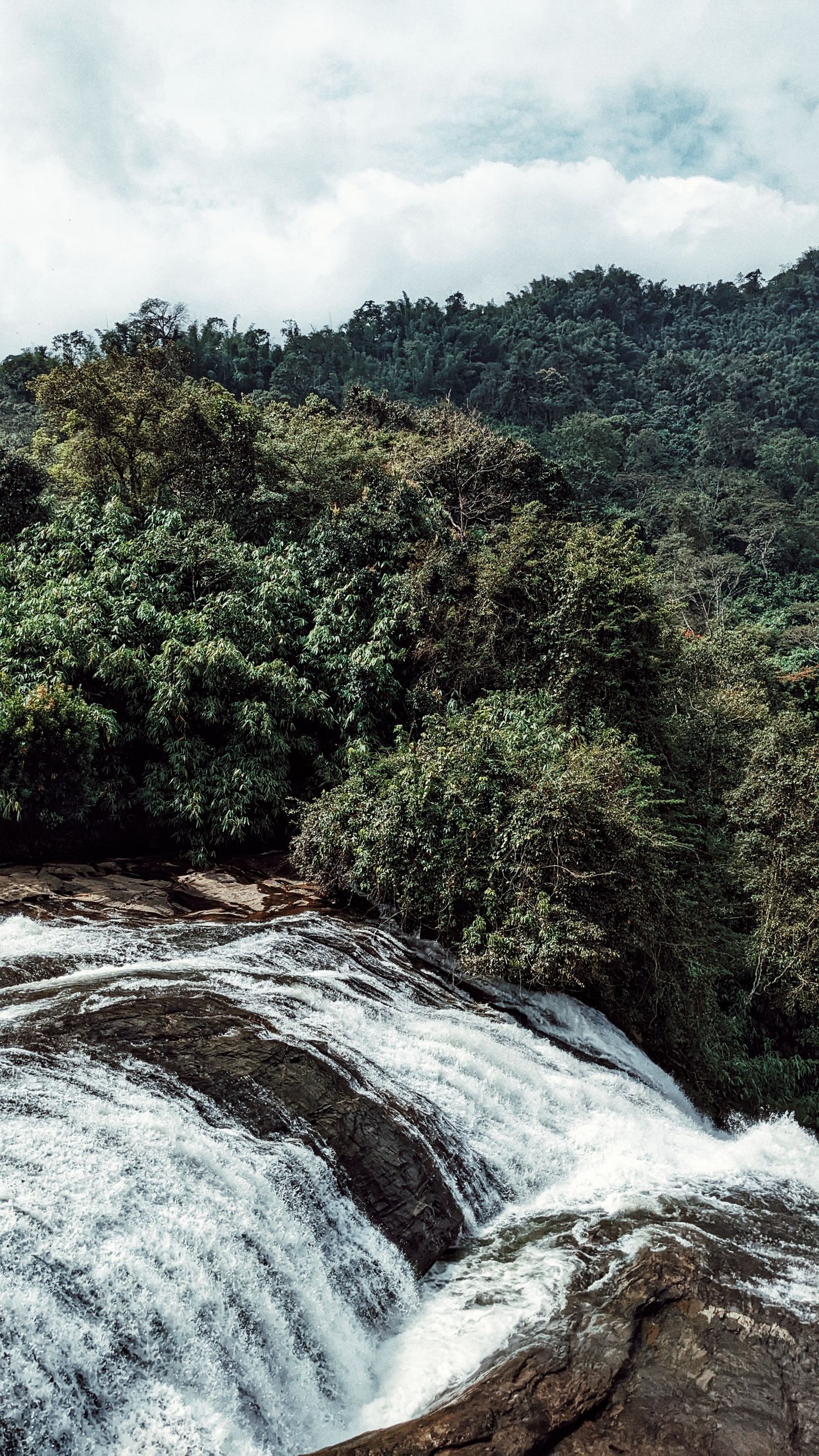
What makes it special is not just the length. A stream runs through the cave, so instead of a dry walk you move alongside and through water, between limestone walls, in complete darkness. There is a waterfall on the same trail, and the forest you walk through to get there is thick, wild and almost silent.
There is no ticket counter with a queue, no railing, no lighting, no signboards and no shops. That is exactly why it is worth the effort — and exactly why it needs planning.
Why almost nobody goes there
Three honest reasons:
- It is far from the usual base. Most people stay in Shillong. From there this becomes an exhausting day of driving.
- You cannot just drive up to it. The last stretch is a walk through forest, and the route is not marked.
- It is not a "family sightseeing point". It asks for a full day, decent fitness and a willingness to be far from help.
The upside of all this is simple: on most days you will have the place almost to yourself.
The most useful tip: stay in Jowai, not Shillong
This one decision changes the whole trip. Doing Krem Chympe as a day trip from Shillong means hours of driving before you even start walking, and a very late, tiring return in the dark on hill roads.
Instead, move your base to Jowai and keep your night stay there, both before and after the cave day. Jowai is the main town of the Jaintia Hills, it has simple but comfortable hotels, and it is far closer to the trail head. You start early, you finish the walk in daylight, and you are back in your room in a reasonable time.
Jowai also puts two more beautiful places within easy reach — Krang Suri Falls and Phe Phe Falls — so the extra night is never wasted. Our Jaintia Hills, Jowai & Krangsuri trip is built around this same base.
How you actually reach the cave
The journey happens in three stages, and this surprises most first-timers.
Stage 1: your own cab, up to the last village
Your regular taxi from Jowai drives you as far as the nearest village on the route. Normal cars can manage this part in the dry season, though the last few kilometres are rough.
Stage 2: a local pickup vehicle from the village
From the village, your cab stops. Villagers run their own sturdy pickup vehicles on the broken track beyond, and you switch into one of those. It carries you as far as the track goes and drops you where the walking begins. This local vehicle is arranged on the spot and is charged separately.
Stage 3: the trek, on foot
From that drop point there is no road and no traffic at all. You walk for roughly 1.5 to 2 hours each way through forest, over uneven ground, with stream crossings on the way. It is not a technical climb, but it is continuous walking, and after rain the trail turns slippery.
One important seasonal note: in the dry winter months, villagers sometimes open a rough track further in for vehicles. It looks tempting, but it is risky. If a shower arrives while you are inside the cave, that track turns to mud and a vehicle can get stuck there for hours. Walking is the safer choice.
You must take a local guide. This is not optional.
Please do not treat this as an expense to save. The trail is not marked, it splits in places, and it looks completely different on the way back. Mobile networks do not work for most of the route.
The guide is the only person who knows where the path turns, where the ground is unstable, how deep the water is, and where the cave's exit lies. Inside the cave it matters even more, because you enter from one mouth and come out from a different one. Without someone who has done it many times, you would be guessing in the dark.
Guides are arranged at the village. Fix the amount before you start walking, and tell your driver or hotel a day earlier so someone is free for you.
Inside the cave: what it really feels like
The darkness is the part no photo prepares you for. Once you are a few steps in, there is no light at all except what you carry. Sound changes too — the forest goes quiet and all you hear is water moving over stone.
You walk on rock, wade through water in places, duck under low ceilings and pass chambers that open out high above you. Depending on water levels, part of the passage may be crossed on a small raft. It usually takes around two hours inside, and you come out from the far end into daylight.
A few practical points that make the difference:
- Carry a headlamp, not just a phone torch. You need both hands free, and phone batteries die fast in the cold and damp.
- Carry a spare light for the group, plus extra batteries.
- Wear shoes with real grip. The rock is wet and smooth. Slippers and new white sneakers are a bad idea.
- Expect to get wet. Keep a dry set of clothes in the vehicle and your phone in a sealed pouch or plastic bag.
- Wear the life jacket where the guide gives you one, even if you swim well. The water is deeper than it looks.
What it costs
There is no single official price list, and rates change with the season, group size and how far the vehicle can go. Below are the amounts travellers have been reporting in 2026 — treat them as a planning guide, and confirm on the spot before you begin.
| What you pay for | Roughly | Notes |
|---|---|---|
| Forest / entry permit | ₹50 per person | Taken at a registration point on the way; a small village fee may also apply |
| Local pickup vehicle | ₹2,000 – ₹3,000 per vehicle | Shared by your whole group, both ways |
| Private 4x4 for the full stretch | up to ₹5,000 return | Only in dry weather, and only if the track is open |
| Local guide | ₹1,500 – ₹2,500 per group | Not a fixed rate — agree on it before starting |
| Your own cab from Jowai | as per your trip | Tell the driver the night before that it will be a long day |
Carry cash. There is no card machine, no UPI and no network for most of the day. Small notes are best, since change is hard to find.
A realistic plan for the day
This is the timing that works. The single biggest mistake is starting late.
| Time | What happens |
|---|---|
| 5:30 – 6:00 AM | Leave Jowai. Carry breakfast with you rather than waiting for a place to open. |
| Morning | Drive to the last village, meet your guide, pay the permit, switch to the local pickup vehicle. |
| Late morning | Trek of about 1.5–2 hours through the forest to the cave. |
| Midday | Around two hours inside the cave, entering from one mouth and exiting from the other, with a stop at the waterfall. |
| Afternoon | Trek back, change into dry clothes, ride out to your cab. |
| Around 7:00 PM | Back in Jowai. Expect the last part of the drive to be after dark. |
Keep the day after this one light. Most people are genuinely tired the next morning.
Who should not do this trip
We would rather lose a booking than send the wrong person here. Please skip Krem Chympe if any of these apply:
- Young children. The walking, the darkness and the water are too much for them.
- Elderly travellers. Four or more hours on uneven ground, far from any road, is a serious ask.
- Anyone with a heart condition, breathing trouble, or recent surgery. There is no vehicle access and no quick way out.
- Anyone uneasy in dense forest or tight dark spaces. This is not the place to test it.
- Anyone who cannot walk continuously for two hours.
If that describes your group, the Jaintia Hills still have plenty for you — Krang Suri Falls has proper steps and a viewing area, and Syndai's smaller caves are far easier. Our offbeat Meghalaya trip covers those at a gentle pace.
Best time to go
Plan for October to April, and ideally November to March. In those months the water inside is low and clear, the forest trail is firm, and the sky stays open.
Do not attempt it during the monsoon (roughly June to September). Meghalaya gets some of the heaviest rain on earth, the stream inside rises fast, and flash floods are a real danger in a river cave. Local guides simply refuse during heavy rain, and they are right to. Even in the shoulder months, if it has rained hard the previous night, be prepared for your guide to call it off.
What to carry — and what to leave behind
Pack light. Everything you bring, you carry on your own back for four hours or more, through forest and water.
🌴 Krem Chympe day pack
- Headlamp + spare batteries
- Backup torch
- 2 litres of water
- Light snacks — dry fruit, energy bars, biscuits
- Packed breakfast or lunch
- Trekking shoes with grip
- Quick-dry clothes
- Dry change of clothes (leave in the vehicle)
- Plastic pouch for phone and cash
- Small first aid kit
- Cash in small notes
- A light day pack only
Leave heavy bags, tripods, big camera kits, glass bottles and anything you cannot afford to drop in water back at the hotel in Jowai. And carry your wrappers back out with you — there is no dustbin, and no one clears rubbish here.
A 7-day Meghalaya plan that includes Krem Chympe
This is how the cave fits into a full trip without turning the week into a driving marathon:
- Day 1 — Guwahati to Shillong (about 100 km, 3–4 hours). Meet at Guwahati airport or railway station and drive up into the hills, stopping at Umiam Lake and Elephant Falls if you arrive early enough. Evening free in Shillong.
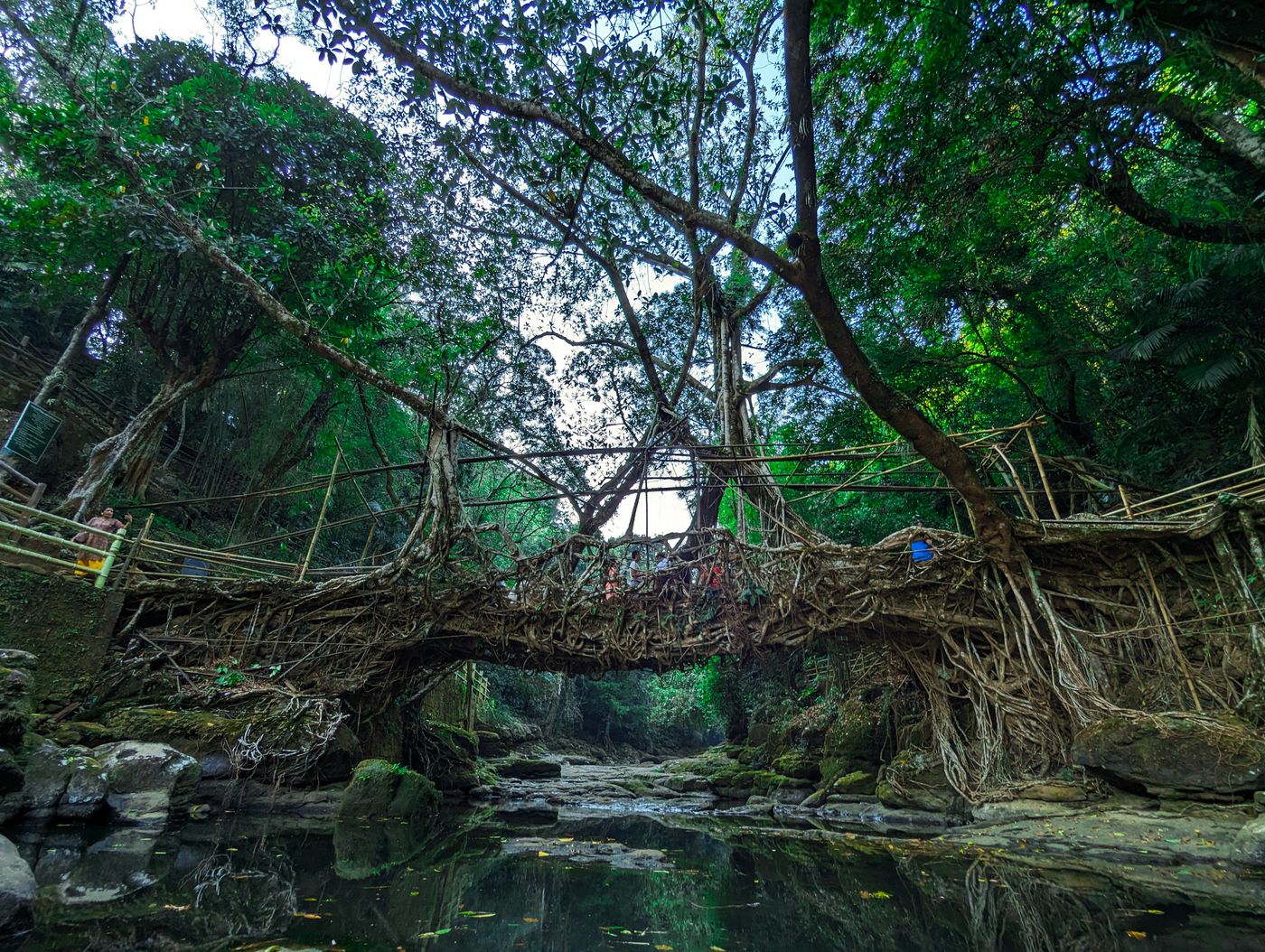
- Day 2 — Shillong to Cherrapunji, then trek down to Nongriat. Drive to Tyrna village and walk down more than 3,000 steps to Nongriat for the famous double-decker living root bridge. Night in a village homestay. Read our Nongriat trek guide before this day.
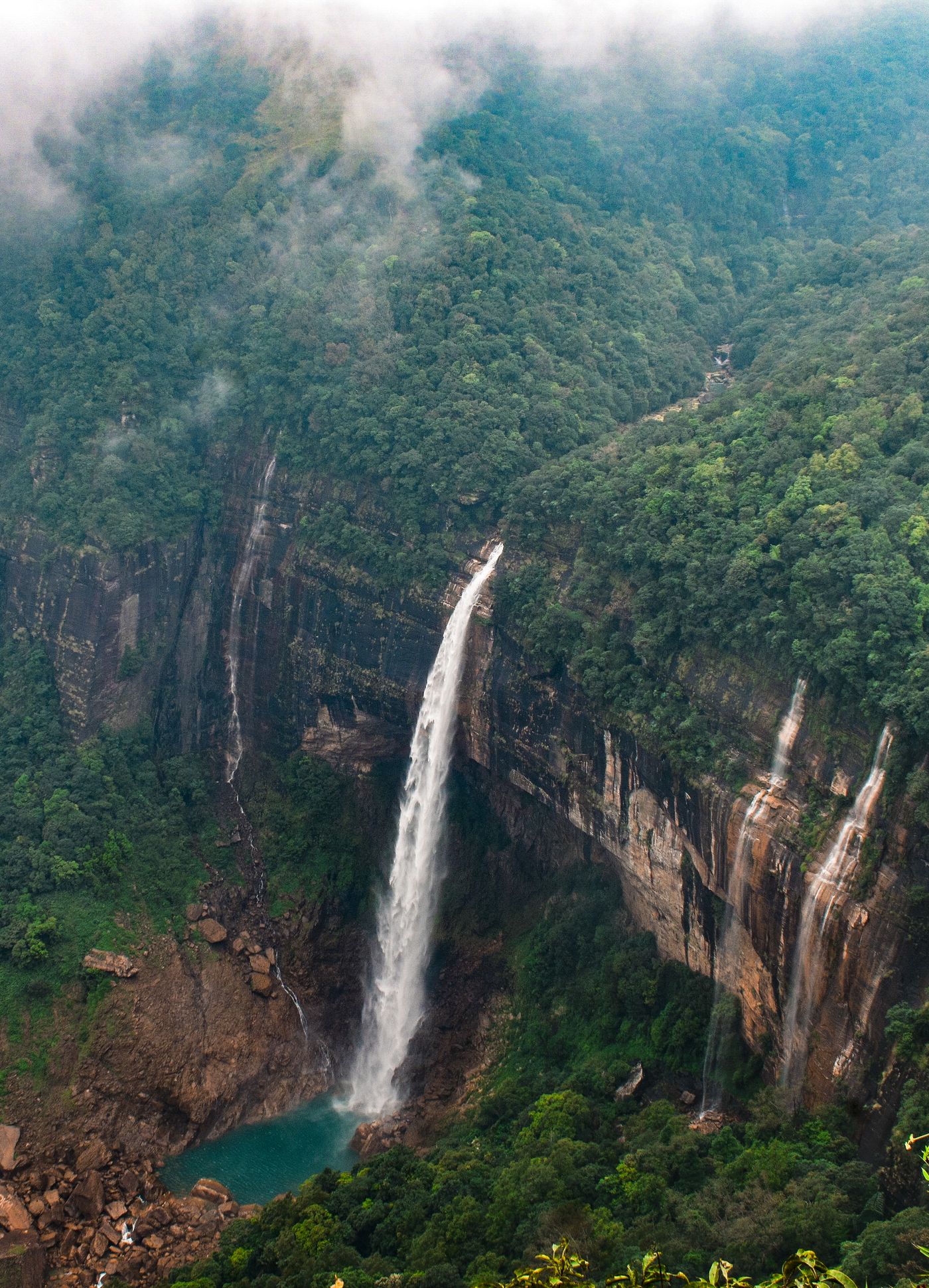
- Day 3 — Nongriat back up to Cherrapunji. Climb back to Tyrna and spend the afternoon around Sohra: Mawsmai Cave, the Seven Sisters Falls viewpoint and Nohkalikai Falls.
- Day 4 — Cherrapunji to Mawlynnong and Dawki (about 81 km). Walk through Mawlynnong village and its root bridge viewpoint, then continue to the clear water of the Umngot river at Dawki. Night by the river.
- Day 5 — Dawki to Jowai (about 54 km). A short, scenic drive, with Krang Suri Falls and Phe Phe Falls on the way. Sleep early tonight.
- Day 6 — Krem Chympe, returning to Jowai or Shillong. The long day described above. If you want a gentler evening, keep your night in Jowai instead of driving on to Shillong.
- Day 7 — Back to Guwahati (about 100 km). Leave early, stop at the Kamakhya temple, and head to the airport or station.
Prefer the classic circuit without the cave day? Our 6-day Meghalaya itinerary covers Shillong, Cherrapunji and Dawki at an easier pace.
Krem Chympe gives you something the popular viewpoints cannot: a few hours where there is no road, no signal and no crowd — just a guide, a torch and the sound of water underground.
Frequently asked questions
Where exactly is Krem Chympe?
In the East Jaintia Hills of Meghalaya, reached through the villages beyond Jowai. It is roughly 4–5 hours from Shillong, which is why staying in Jowai makes such a difference.
Can I visit without a guide?
No. The forest trail is unmarked, the cave is completely dark, and you exit from a different mouth than the one you enter. Every local operator insists on a guide, and so do we.
How hard is the trek?
Moderate. About 1.5–2 hours each way on uneven forest ground, with stream crossings. No climbing skill is needed, but you should be able to walk continuously and be comfortable getting wet.
Is it safe for children or senior citizens?
No. The distance, the darkness and the water make it unsuitable for young children, elderly travellers and anyone with a heart or breathing condition.
What does it cost?
Budget roughly ₹50 per person for the permit, ₹2,000–3,000 for the local pickup vehicle shared by your group, and ₹1,500–2,500 for the guide, plus your own cab. Confirm the rates locally — they are not fixed.
Is there mobile network inside?
None inside the cave and very little on the trail. Tell someone your plan before you leave Jowai and agree on a return time.
Can it be done as a day trip from Shillong?
Technically yes, but you would spend most of the day in the car and return very late on dark hill roads. Shift your base to Jowai instead.
Plan it with Yatraved
We can add Krem Chympe to any Meghalaya trip — with the night stay in Jowai, a guide arranged in advance, the local vehicle sorted, and the rest of the week paced so you are not exhausted. Start with our Jaintia Hills, Jowai & Krangsuri trip, the offbeat Meghalaya trip, or browse all our Meghalaya packages. Tell us your dates and group size and we will send a plan within 24 hours.