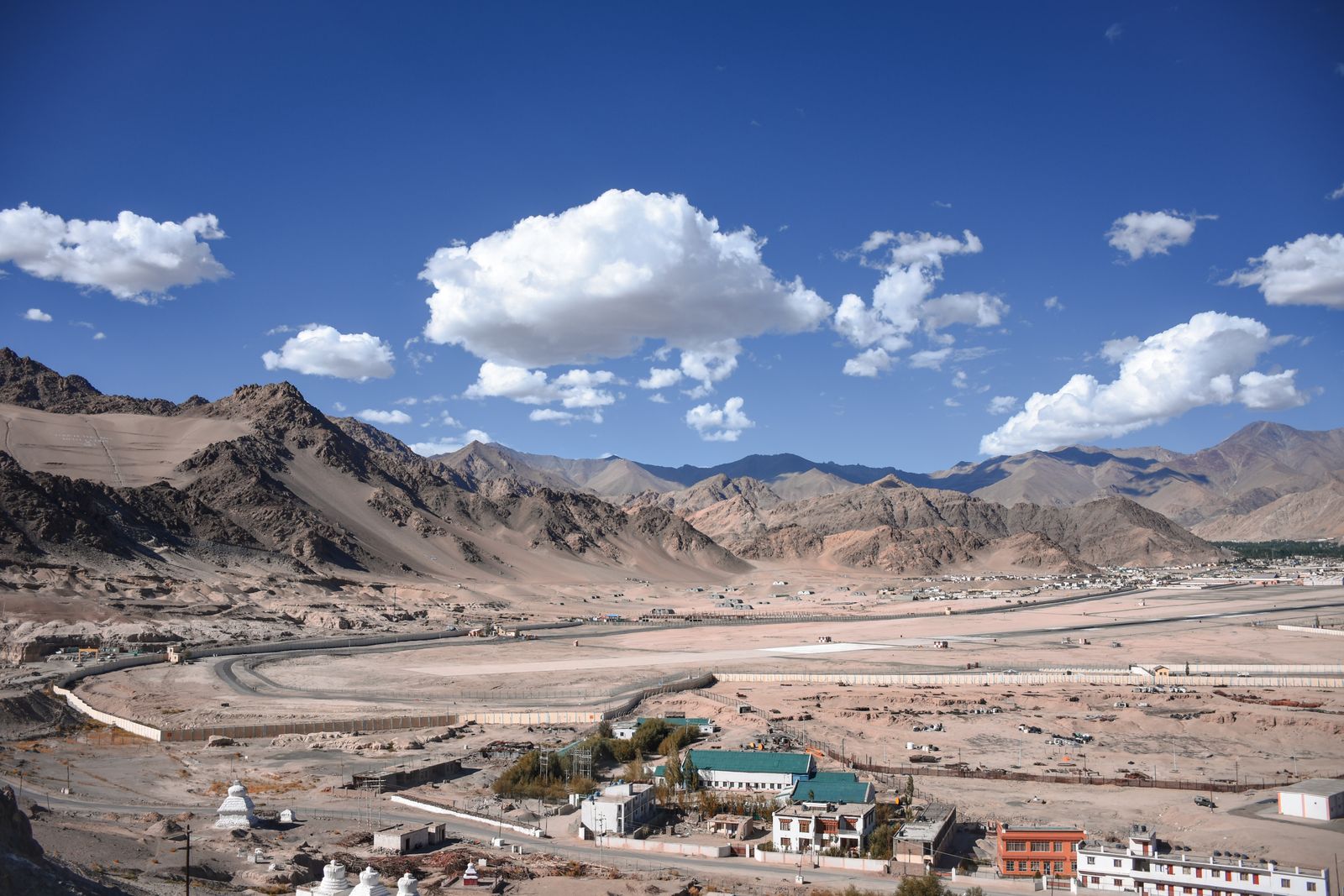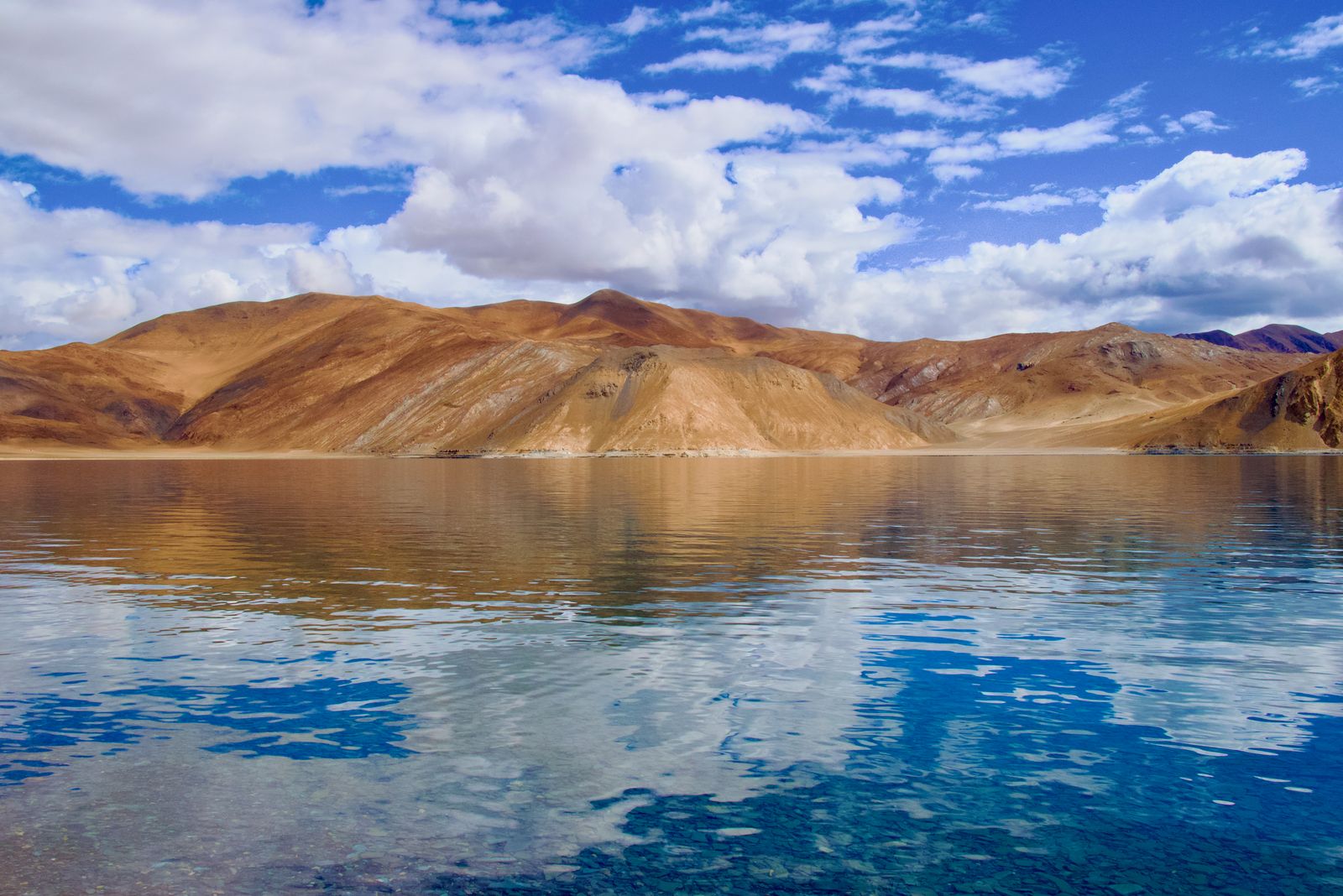
Ladakh is the one Indian destination where planning matters more than anything else. The scenery does not disappoint anybody, but the altitude does catch people out, the roads open only for part of the year, and the paperwork has changed more than once in recent years. This guide answers the questions travellers actually ask us: do Indians need a permit now, when should you go, how many days you need, and what the trip really costs.
Leh sits at about 3,500 metres, and almost everything famous in Ladakh sits higher. Get the first two days right and the rest of the trip is pure pleasure.
Do Indians need a permit for Ladakh in 2026?
No. Indian travellers no longer need an Inner Line Permit anywhere in Ladakh. The old ILP was replaced by a single environment fee, and that one receipt now covers all the places people go for — Nubra Valley, Pangong Tso, Tso Moriri, Hanle and Umling La.
Here is what you actually pay:
| Fee | Amount | Notes |
|---|---|---|
| Environment & Development Fee | ₹400 per person | One time, for the whole trip |
| Wildlife protection fee | ₹20 per person per day | Counted for the days you are there |
| Red Cross contribution | ₹50 | Optional |
| Typical 7-day trip | about ₹590 per person | Receipt stays valid for 21 days |
How to get it: apply online on the Leh district portal (lahdclehpermit.in), pay, and print the receipt. Do this before you reach Leh so you are not standing in a queue on your first morning. Carry four or five printouts — checkposts on the Nubra, Pangong and Tso Moriri roads keep a copy each. Also carry your original photo ID.
Foreign nationals are a different case: they still need a Protected Area Permit, arranged through a registered travel agent in Leh, and some areas need a group of two or more. If you have a foreign passport holder in your group, tell your operator early — it changes the paperwork and the timeline.
The 48-hour rule: the most important page in this guide
If you fly into Leh, you go from sea level to 3,500 metres in about 90 minutes. Your body has no time to adjust. This is why the first 48 hours in Leh must be spent resting in Leh, and why high passes are not allowed on your first days. Every serious operator follows this, and so should you.
What "rest" means in practice:
- Day 1: hotel, a slow walk in the market at most. No sightseeing drives, no stairs marathons, no shower straight after landing.
- Day 2: easy local sightseeing at Leh's own height — monasteries around town, Shanti Stupa in the evening. Nothing above roughly 3,700 metres.
- Day 3 onwards: now you can cross the high passes to Nubra or Pangong.
- Drink 3–4 litres of water a day. Skip alcohol and smoking for the first few days.
- Eat light on the first day. Heavy, oily food makes altitude sickness worse.
- Talk to your doctor before the trip about preventive medicine, especially if you have a heart, lung or blood-pressure condition.
Warning signs of altitude sickness: headache that will not go, nausea, dizziness, no appetite, trouble sleeping, or breathlessness while sitting still. Mild symptoms usually settle with rest and water. If they get worse, the cure is simple and non-negotiable: go lower. Tell your driver or guide immediately — they have seen it many times and know the nearest medical post.
People who should think twice: anyone with a serious heart or lung condition, women in advanced pregnancy, and very young children. Elderly travellers do Ladakh happily every season, but they need the slower version of the plan, not the packed one.
Best time to visit Ladakh
Ladakh has a short season, and which month you pick decides which roads are open.
| Months | What it is like |
|---|---|
| May | Season opens. The Srinagar side clears first, the Manali side usually later in the month. Some lakes are still partly frozen. Cold nights, fewer people. |
| June | Everything open, snow walls still standing on the passes, long days. Also the busiest month, so book early. |
| July – August | Warmest days and the full circuit is running. Ladakh itself gets little rain, but rain on the Manali and Srinagar approaches can block the roads for a day. |
| September | The sweet spot. Clear skies, golden poplars, fewer travellers and steady roads. |
| October | Beautiful and very cold. Road access closes through the month as snow arrives on the passes. |
| November – April | Flights only. Deep winter, frozen rivers and the Chadar trek in January–February, for well prepared travellers. |
Road opening dates move by a few weeks each year with the snow, so check the current status a week before you travel, especially if you are driving in during May or October.
How to reach Ladakh
By flight (best for short trips)
Direct flights reach Leh from Delhi in about 80–90 minutes, with more routes in summer. Flights land early because afternoon winds pick up, and they do get cancelled in bad weather — so never book a connecting flight home on the same day you fly out of Leh. The flying option costs a day of acclimatisation, which is exactly why the 48-hour rule exists.
Srinagar to Leh (about 420 km, 2 days)
The gentler road. You climb gradually through Sonamarg, Zoji La, Kargil and Lamayuru, breaking the journey at Kargil. Because the gain in height is slow, your body adjusts as you travel, and many people feel noticeably better in Leh than those who flew.
Manali to Leh (about 430 km, 2 days)
The famous one, and the harder one. You cross several passes above 4,500 metres on the very first day, with a night usually at Jispa or Sarchu. Sarchu sits high, and people do fall ill there. If you take this road, plan the night at the lower stop and keep the pace slow. See our Manali to Leh overland trip and the Kashmir to Ladakh overland trip.
A realistic 7-day Ladakh itinerary
This is the plan we recommend for a first trip. It respects the 48-hour rule and still covers everything people come for.
- Day 1 — Arrive in Leh (3,500 m). Rest. Check in, lie down, drink water, eat light. A short evening walk in the main market is enough.
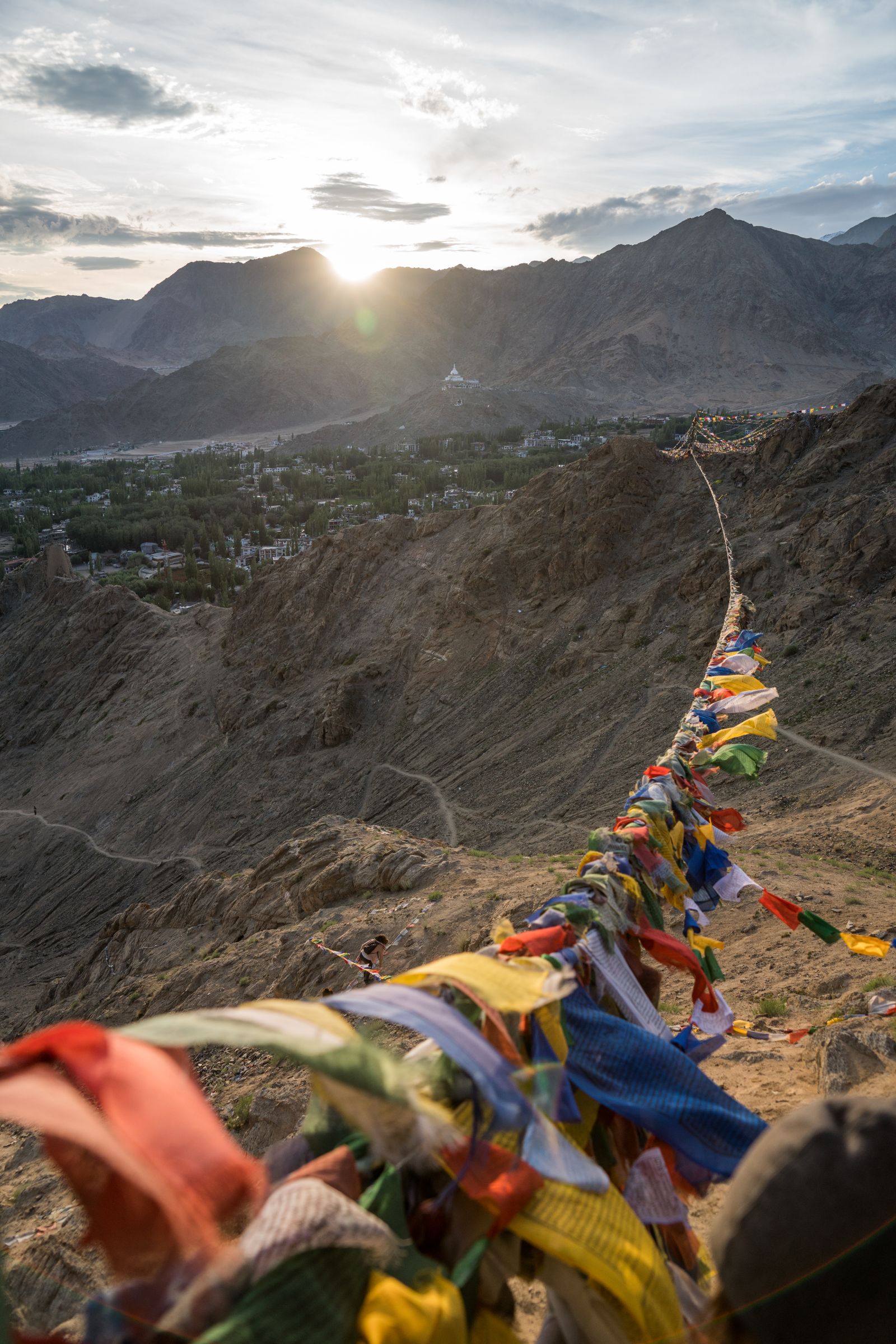
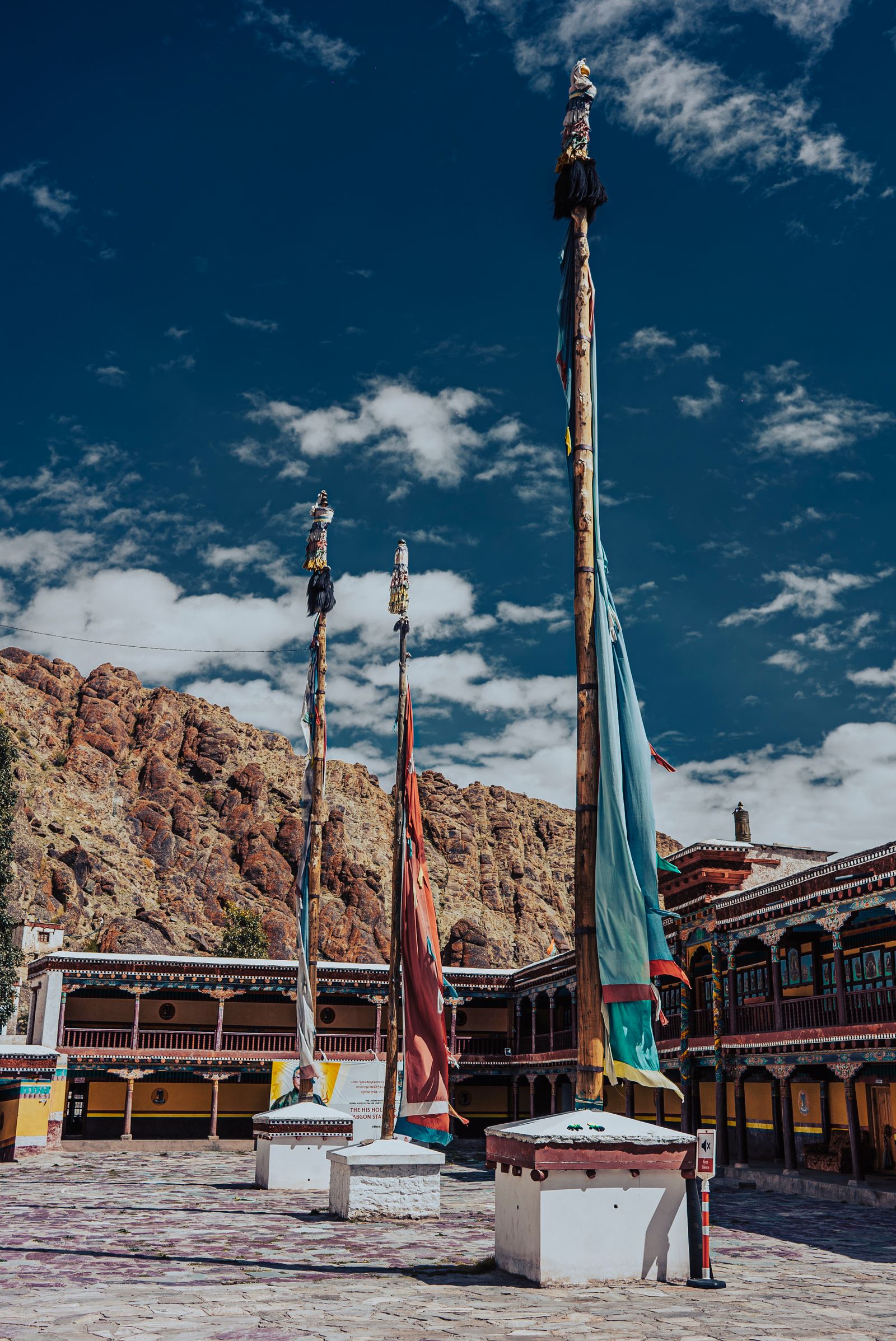
- Day 2 — Leh and around. Easy sightseeing at the same height: Shanti Stupa, Leh Palace, Hall of Fame, and the monasteries down the Indus valley such as Thiksey and Hemis. Sunset from Shanti Stupa.
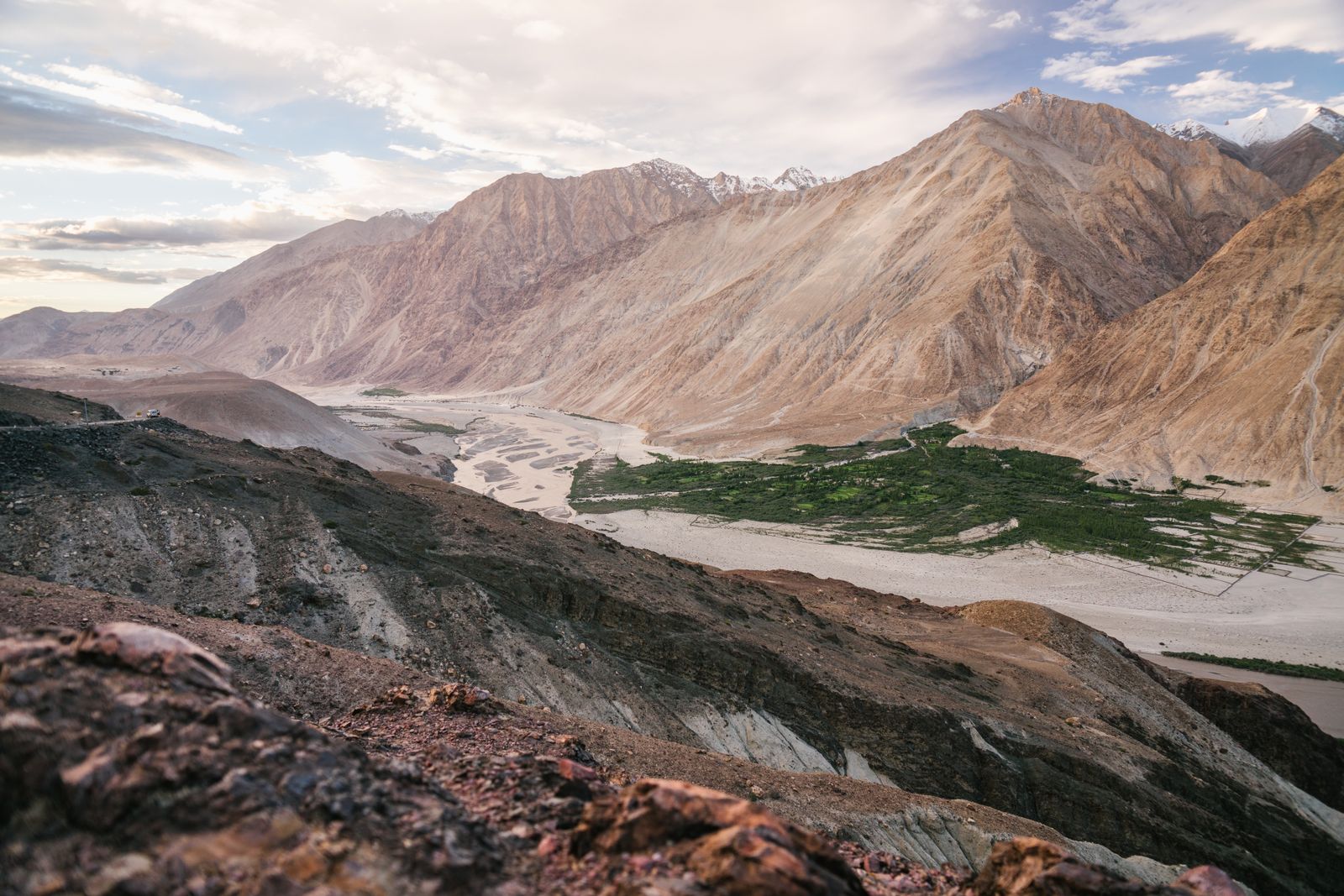
- Day 3 — Leh to Nubra Valley over Khardung La (about 120 km, 5 hours). Khardung La is around 5,359 m, and you stop only briefly at the top. Down into Nubra for the sand dunes at Hunder, the double-humped camels and Diskit monastery. Night at about 3,050 m, which is lower than Leh and helps you sleep well.
- Day 4 — Nubra to Pangong Tso via the Shyok route (about 170 km, 6–7 hours). A rough but stunning road along the Shyok river. Reach Pangong (about 4,350 m) in the afternoon, when the lake changes colour every hour. Night in a camp or homestay by the lake.
- Day 5 — Pangong to Leh over Chang La (about 220 km, 5–6 hours). Early start for the sunrise colours, then drive back over Chang La, stopping at Thiksey or the Sindhu Ghat if you still have energy.
- Day 6 — Sham Valley or a rest day. Magnetic Hill, the Indus–Zanskar confluence at Nimmu, Alchi monastery and Likir. Or simply stay in Leh, shop, and let the trip settle.
- Day 7 — Fly out of Leh. Early morning departure.
Short on days? The 4-night Leh, Pangong & monasteries trip keeps the same safety pace in less time. Want the full circuit? See the Leh, Nubra & Pangong 6-day circuit or the Grand Ladakh trip with Sham Valley.
If you have extra days: Hanle, Umling La and Tso Moriri
Add three or four days and Ladakh opens up completely.
- Hanle (about 4,300 m). India's first Dark Sky Reserve, and one of the darkest skies you will ever stand under — the Milky Way is visible with bare eyes on a clear night. There is an observatory here, and local homestays run small telescopes for guests. Please follow the rules of the reserve: no white torches or headlights pointed at the sky after dark, keep your phone screen dim, and use red light.
- Umling La (about 5,800 m). Recognised as the highest motorable road in the world, reached from Hanle. Go up, take your photo, and come straight down — nobody should linger at that height.
- Tso Moriri (about 4,522 m). Quieter and wilder than Pangong, with the Changthang plains, nomad camps and kiang herds on the way. Our Tso Moriri & Hanle stargazing trip covers both.
All of these sit on the same environment fee receipt, so no extra permit is needed for Indian travellers.
What a Ladakh trip costs
Indicative 2026 figures, per person, for a 6–7 day trip with four people sharing a vehicle and twin-sharing rooms. Peak season rates run higher.
| Item | Budget | Comfort |
|---|---|---|
| Flights (Delhi–Leh return) | ₹9,000–14,000 | ₹14,000–20,000 |
| Vehicle with driver (share) | ₹8,000–11,000 | ₹11,000–15,000 |
| Stays (6 nights) | ₹7,000–10,000 | ₹13,000–22,000 |
| Food | ₹4,000–6,000 | ₹6,000–9,000 |
| Fees, tips, extras | ₹1,500–2,500 | ₹2,500–4,000 |
Two travellers pay more per head than four, because the vehicle is shared between fewer people. A planned package such as our Ladakh Family Special starts from ₹30,999 per person with stays, transport and a driver who knows the altitude rules.
Practical things nobody tells you
- Only postpaid SIMs work. Prepaid connections from other states do not work in Ladakh at all. BSNL and Jio have the widest reach; beyond Leh expect long dead zones and none at Pangong or Hanle.
- Carry cash. ATMs exist in Leh, Diskit and Kargil, and they do run dry. Card machines need network, which villages do not have.
- Fuel up in Leh. Pumps are few and far apart on the Nubra, Pangong and Tso Moriri roads.
- Drones are not allowed in most of Ladakh without official permission. This is a border region — do not risk it.
- The sun is fierce even when the air is cold. Sunscreen, sunglasses and lip balm are not optional.
- Keep a buffer day at the end. Weather cancels Leh flights more often than people expect.
- Carry your rubbish back. Ladakh is a cold desert; nothing here breaks down quickly, and villages have no waste system.
What to pack
🏔️ Ladakh packing checklist
- Down or padded jacket
- Thermal inners (2 sets)
- Fleece and windproof layer
- Woollen cap, gloves, warm socks
- Comfortable walking shoes
- SPF 50 sunscreen
- UV sunglasses
- Lip balm and moisturiser
- Reusable water bottle
- Personal medicines & first aid
- Power bank
- Dry snacks
- Cash in small notes
- Original photo ID
- Printouts of the fee receipt
- Torch or headlamp
Common mistakes
1. Driving to Khardung La on the day you land
It is the fastest way to ruin a trip. The rule exists because people get seriously ill doing exactly this.
2. Booking a connecting flight on the same day you leave Leh
Weather cancels flights. Keep a night in Delhi or a buffer day.
3. Carrying a prepaid SIM and assuming it will work
It will not. Arrange a postpaid connection before the trip, and share your plan with family since you will be offline for stretches.
4. Squeezing Nubra, Pangong, Tso Moriri and Hanle into five days
Ladakh is enormous and the roads are slow. Cutting the plan too fine means long drives, no time at the lakes and a higher chance of altitude trouble.
5. Ignoring how cold the nights are
Even in July, a night at Pangong or Hanle is close to freezing. Camps provide quilts, but carry your own thermals.
Ladakh rewards patience more than energy. Give the first two days to doing nothing, and the mountains will give you everything else.
Frequently asked questions
Do Indian tourists need an Inner Line Permit for Ladakh in 2026?
No. The ILP was replaced by an environment fee. Pay it online at lahdclehpermit.in, print the receipt, and it covers Nubra, Pangong, Tso Moriri, Hanle and Umling La. Foreign nationals still need a Protected Area Permit through a Leh agent.
How many days are enough for Ladakh?
Six to seven days for Leh, Nubra and Pangong at a safe pace. Add three or four more for Tso Moriri, Hanle and Umling La.
Which is the best month to visit?
September for clear skies and fewer people, June and July if you want everything open and do not mind crowds.
Is Ladakh safe for children and elderly travellers?
Yes, with a slower plan and the full 48-hour rest in Leh. Anyone with a heart or lung condition should consult a doctor first, and very young children are better left for later years.
Can I do Ladakh by bike?
Yes, and it is unforgettable, but the altitude rules do not change for riders. See our Ladakh bike expedition.
Will my phone work?
Only postpaid SIMs work in Ladakh. Expect no signal at Pangong, Hanle and long stretches of road.
Plan your Ladakh trip with Yatraved
We build Ladakh trips around acclimatisation first — the right stays at the right heights, drivers who have done these roads for years, oxygen in the vehicle, and a pace that gets everyone home happy. Start with the Leh, Nubra & Pangong circuit, the Ladakh Family Special or the overnight Pangong escape, or browse every Ladakh package. Send us your dates and group size for a plan within 24 hours.